

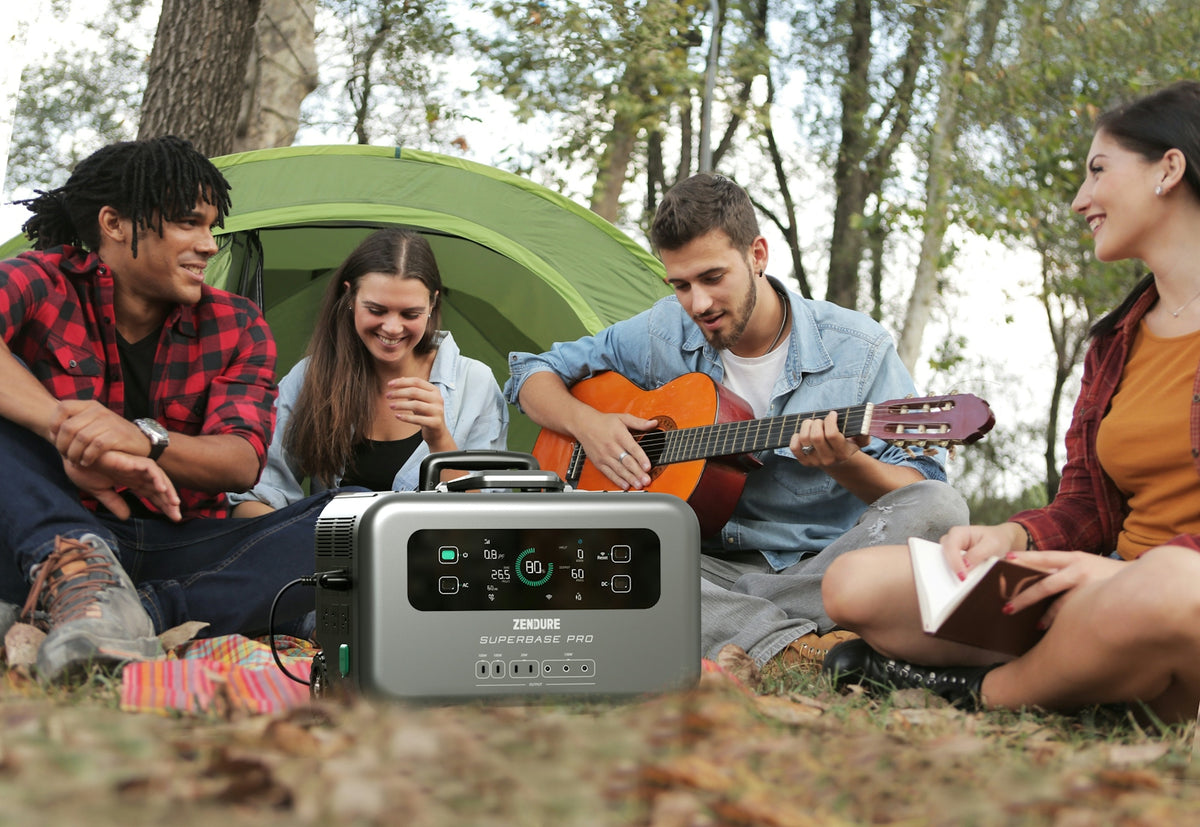
When you’re out exploring the open road in an RV or setting up base camp at a serene campground, having a reliable power source is crucial, especially for running air conditioning units. A quiet generator designed for RV AC connections ensures comfort without disturbing the peace of the great outdoors. These generators are crafted to deliver reliable power while minimizing noise, making them invaluable for RV owners and campers seeking tranquility and efficiency.
Table of Contents
- Table of Contents
- The Importance of a Quiet Generator
- Why Opt for a Quiet Generator?
- Choosing the Right Generator for RV AC Connections
- Key Considerations
- Types of Generators for RV AC Units
- Inverter Generators
- Dual-Fuel Generators
- Sizing Your Generator: What Do You Need?
- Calculating Power Needs
- Key Features to Consider
- Safety Tips for Generator Use
- Recommended Products and Collections
- Conclusion
- FAQs
The Importance of a Quiet Generator
In the serene ambiance of a campsite or while parked at a rustic RV park, the last thing you want is a loud generator disrupting your environment. Quiet generators, often designed as portable inverter generators, prioritize reduced noise levels. They allow you to enjoy nature and the company of fellow campers without the constant hum of a traditional generator.
Why Opt for a Quiet Generator?
- Peaceful Environment: A quieter operation means less interference with conversations, relaxation, or sleep.
- Camper-Friendly: Campgrounds often have noise restrictions, and a quiet generator helps you comply effortlessly.
- Advanced Technology: Modern quiet generators utilize inverter technology for efficient, stable power that safely runs sensitive electronics.
Choosing the Right Generator for RV AC Connections
When selecting an RV generator, particularly one intended to power an AC unit, understanding the power requirements is crucial. Typically, RV air conditioning units demand significant power, often around 1,500 to 3,000 watts, depending on their size.
Key Considerations
- Power Output: Ensure your generator can produce enough wattage to start and run your AC unit alongside other appliances.
- Portability: A portable generator offers ease of movement — essential for RV users who frequently travel.
- Fuel Efficiency: Opt for models that offer longer runtimes and economy modes to conserve fuel.
Types of Generators for RV AC Units
There are several types of generators suitable for RV use, and understanding their differences can help in making the right choice.
Inverter Generators

Inverter generators are a popular choice for campers and RV owners due to their efficient design and quiet operation. They're capable of adjusting the engine speed to provide only the power needed, leading to reduced noise and increased fuel efficiency.
- Product Example: The ERAYAK 4500 Watt Inverter Generator for RV Camping | 4500P provides a reliable source of power with a focus on quiet operation for campers and RV enthusiasts.
Dual-Fuel Generators

Dual-fuel generators offer the convenience of two fuel options, typically gasoline and propane, which enhances flexibility and availability during trips.
- Product Example: The Erayak 4500W Dual-Fuel Inverter Generator | 4500PDM offers versatile fuel choices, making it perfect for varied camping conditions.
Sizing Your Generator: What Do You Need?
Determining the right generator size involves understanding your total power needs. Combine the starting and running watts required by your RV AC unit and any other gadgets or appliances you plan to use simultaneously.
Calculating Power Needs
- Add up all power requirements: Consider the starting wattage of your air conditioner and other appliances.
- Include additional appliances: Don’t forget essentials such as a refrigerator, lights, and other electronics.
Key Features to Consider
When shopping for a quiet generator for your RV, there are several features you'll want to ensure your generator includes:
- Noise Level: Aim for generators with noise levels of 60 decibels or less, which is about the volume of a normal conversation.
- Runtime: Look for longer runtimes at an economical fuel consumption rate.
- Starting Mechanism: Electric and recoil start options add convenience.
- Durability: Consider the build quality suited for mobile use.
Safety Tips for Generator Use
Generators, while convenient, come with specific safety recommendations to ensure secure and effective operation:
- Ventilation: Operate in a well-ventilated area to prevent carbon monoxide buildup.
- Proper Storage: Store fuel safely away from your generator and RV.
- Regular Maintenance: Keep up with manufacturer-recommended maintenance to ensure reliable performance.
- Connection: Use suitable extensions and outlets when connecting to your RV to avoid overloading circuits.
Recommended Products and Collections

For those in the market, the RV & Camping Generators Collection showcases a variety of ERAYAK products tailored for RV and camping enthusiasts. Choices like the Erayak Dual-Fuel 6800W Inverter Generator For RV Home Backup | 6800PD offer robust and flexible power solutions.
Conclusion
Choosing the right generator for your RV can significantly impact your camping experience by ensuring you have a reliable power source that complements the peace and quiet of nature. For further insights on selecting the optimal model, explore our guide on how to choose a quiet generator for your RV and camping needs or delve into comparisons such as finding the best 30 amp RV generator for reliable camping power.
To explore more about our products tailored for camping and RV needs, visit ERAYAK Power's website.
FAQs
What is a quiet generator and how does it differ from a standard generator?
A quiet generator is designed to operate at lower noise levels compared to standard generators. They often use advanced technology such as sound dampening and insulation to minimize noise, making them ideal for environments where quiet operation is essential, such as RV parks or camping sites.
What are the advantages of using a quiet generator for RV air conditioning?
Using a quiet generator for RV air conditioning provides a peaceful environment, allowing you to enjoy the outdoors without disruptive noise. Additionally, since quiet generators tend to be more fuel-efficient, they can offer prolonged run times, making them perfect for extended trips.
Can a quiet generator power my RV's air conditioning unit effectively?
Yes, many quiet generators are designed with enough wattage capacity to effectively power RV air conditioning units. It’s important to check the generator's output specifications to ensure it meets the power requirements of your specific AC unit.
How do I determine the right size quiet generator for my RV?
To find the right size generator, you’ll need to calculate the power requirements of your RV's air conditioning unit and any other appliances you plan to use simultaneously. Look for a generator with a starting wattage that accommodates these needs.
Are quiet generators more expensive than traditional generators?
Generally, quiet generators are somewhat more expensive upfront due to the technology used to reduce noise levels. However, their fuel efficiency and durability can result in cost savings in the long run, making them a worthwhile investment.
How can I maintain my quiet generator for optimal performance?
Regular maintenance, such as checking the oil, cleaning or replacing the air filter, and inspecting spark plugs, is essential for keeping your quiet generator in top condition. Also, ensure proper storage and avoid running it in wet conditions to prolong its lifespan.
Are there any specific brands known for producing reliable quiet generators?
Yes, several reputable brands specialize in quiet generators known for their reliability and performance. It’s advisable to read reviews and compare specifications to choose a model that best fits your needs.
Can I use my quiet generator for other appliances in my RV besides the air conditioner?
Absolutely! Quiet generators can power a variety of appliances in your RV, such as refrigerators, microwaves, and lights. Just ensure you calculate the total wattage required to avoid overloading the generator.
How noisy are quiet generators compared to traditional ones?
Quiet generators typically operate at a noise level of around 50-60 decibels, which is comparable to a normal conversation. In contrast, traditional generators can be much louder, often exceeding 70 decibels, which can be disruptive in quiet environments.
