

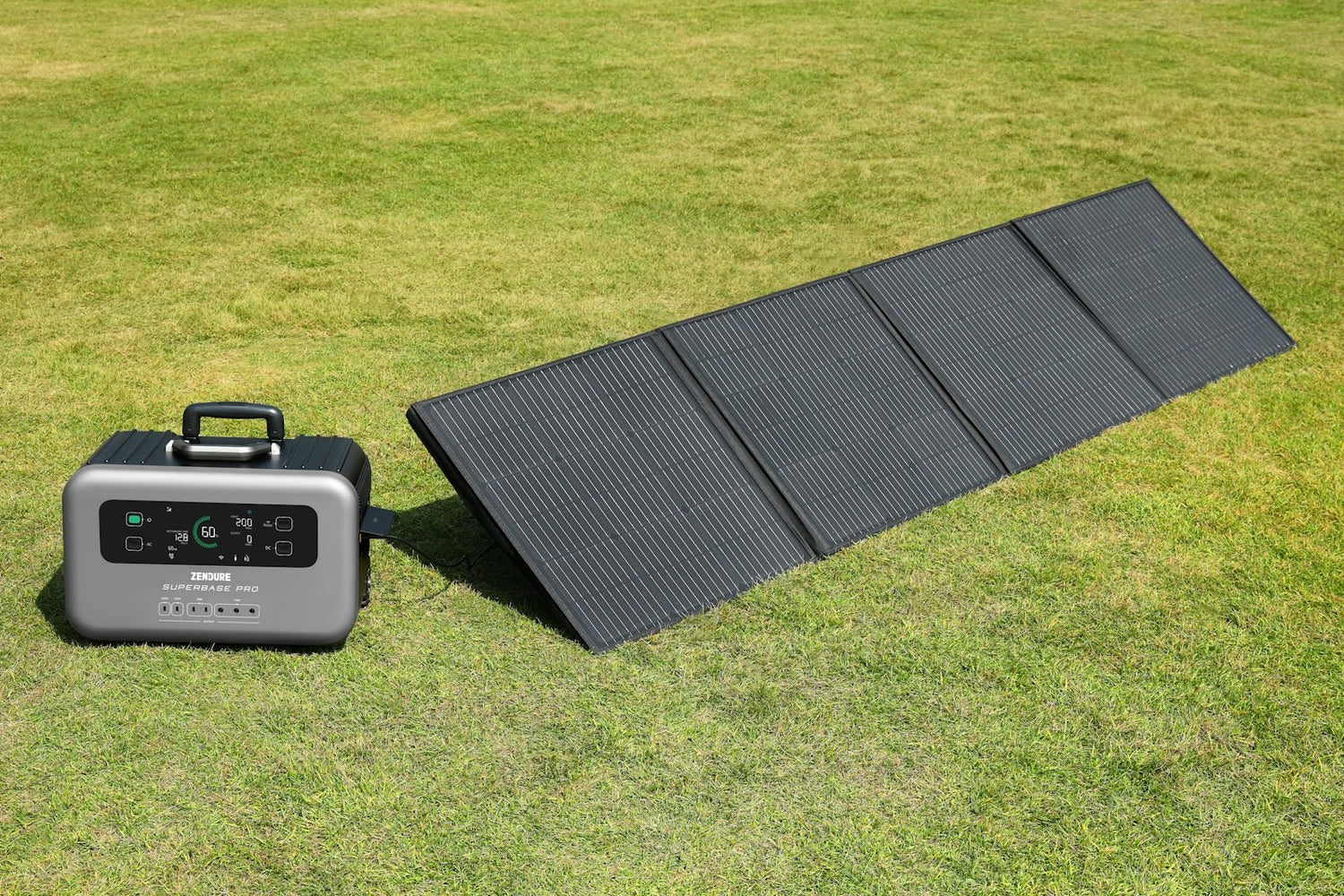
For U.S. homeowners, power outages can disrupt daily life significantly. And for RV enthusiasts, having reliable power on the road is essential. When it comes to ensuring continuous power supply, efficient runtime planning for portable generators is paramount. This guide offers insights into the practical aspects of managing runtime for both gas-powered generators and LiFePO4 battery stations, helping you choose the best option for your needs.
Table of Contents
- Table of Contents
- Understanding Portable Generator Runtime
- Factors Influencing Generator Runtime
- Planning for Home Backup Systems
- Key Considerations for Home Use
- Suggested Article: [Choosing Your Backup Generator For Power Outages](/blogs/generator-genius/choosing-your-backup-generator-for-power-outages)
- Portable Power for RVs and Camping
- Runtime Planning for Outdoor Adventures
- Suggested Article: [RV Generator Care Essential Maintenance Tips](/blogs/generator-genius/rv-generator-care-essential-maintenance-tips)
- Comparing Fuel Generators and Battery Power Stations
- Quiet and Efficient Power Solutions
- Practical Takeaway
- FAQs
Understanding Portable Generator Runtime
Portable generator runtime is the period during which your generator can continuously supply power before refueling or recharging is required. Decisions around runtime should not only focus on duration but also on the specific power requirements of your home, RV, or camping adventure.
Factors Influencing Generator Runtime

- Fuel Type and Capacity: Fuel-powered generators, such as the ERAYAK 4500P 4500W Gas Inverter Generator for RV & Camping, vary in runtime based on fuel tank size and consumption rate. Dual-fuel models, like the Erayak 4500PDE 4500W Dual-Fuel Inverter Generator, offer flexibility by using gasoline or propane.
- Load Requirements: The total wattage of the appliances and devices you wish to power impacts runtime. A higher load means shorter operation time.
- Generator Type: Inverter generators, such as the Erayak 2400W Portable Inverter Generator, are known for their efficiency and quiet operation, making them ideal for minimizing fuel usage and running more discreetly in a campsite.
- Environmental Conditions: High temperatures and altitudes can reduce generator efficiency, impacting the overall runtime.
Planning for Home Backup Systems

When planning for home backup power, consider generators within the 5,000–13,000W range. Generators like the Erayak 6800W Portable Inverter Generator, are excellent choices for versatile use as they offer tri-fuel options providing flexibility and economy.
Key Considerations for Home Use
- Power Requirements: Assess critical appliances like refrigerators, heating systems, and lighting that must remain operational during an outage. Calculate total wattage to match your generator's capacity.
- Location and Safety: Always operate generators outdoors, far from doors, windows, and vents to prevent carbon monoxide poisoning. Review the manufacturer's manual and comply with local regulations.
Suggested Article: Choosing Your Backup Generator For Power Outages
Portable Power for RVs and Camping
For RV and camping users, portable generators within the 500–5,000W range are preferred due to their compact size and quiet operation. Models like the ERAYAK 4500P 4500W Gas Inverter Generator ensure minimal noise disturbances and convenient transport.
Runtime Planning for Outdoor Adventures
- Power Essentials: Focus on essentials like lighting, mobile devices, and cooking equipment. Manage your load to preserve power for longer trips.
- Battery-Powered Alternatives: Consider LiFePO4 battery stations for noise-free operation, especially in campsites with noise restrictions.
Suggested Article: RV Generator Care Essential Maintenance Tips
Comparing Fuel Generators and Battery Power Stations
Here's a brief comparison to help decide between fuel generators and battery power stations for your next adventure:
| Feature | Fuel Generators | Battery Power Stations |
|---|---|---|
| Runtime | Extended with fuel refills | Limited by battery capacity |
| Noise Level | Varied, quieter options available | Silent |
| Fuel/Charging Cost | Ongoing refueling costs | Electric charging costs |
| Portability | Heavier, but typically with wheels | Lightweight, easy to carry |
| Maintenance | Regular engine and fuel system checks | Minimal maintenance required |
Quiet and Efficient Power Solutions
When searching for a generator that balances performance with quiet operation, look for inverter generators. These are specifically designed to produce stable power with less noise, making them suitable for home backup and camping settings where peace is paramount. Check out the Quiet Generators For Comfortable Camping Trips for more insights.
Practical Takeaway
Portable generator runtime planning requires a balanced evaluation of your power needs, generator type, size, and operational conditions. By choosing the correct generator—be it a fuel-powered model or a battery-powered station—you can ensure a reliable power supply for your home during outages or on your next RV adventure.
Explore our full range of reliable power solutions at Erayak Power to find the device that best suits your energy needs.
FAQs
What factors influence the runtime of a portable generator?
The runtime of a portable generator is primarily influenced by the fuel type, the generator's capacity, and the total load it is powering. Environmental factors and maintenance can also play a role in how efficiently a generator operates.
How can I determine the wattage needs for my devices?
To determine wattage needs, compile a list of all devices you plan to power, check their wattage ratings, and sum the total. Be sure to consider both starting watts (required when devices first turn on) and running watts (needed while devices are operating).
What is the difference between running wattage and starting wattage?
Running wattage is the continuous power that the generator needs to keep a device operating, while starting wattage is the extra power needed to start devices with motors or compressors. Generators should be sized to handle both.
How can I extend the runtime of my portable generator?
To extend the runtime, you can reduce the load by unplugging non-essential devices, maintain a clean fuel supply, and perform regular maintenance. Using a generator with an extended fuel tank or dual-fuel capability can also help.
Is it safe to operate a portable generator indoors?
No, it is not safe to operate a portable generator indoors due to the risk of carbon monoxide poisoning. Always use generators outdoors, in well-ventilated areas, and away from windows and doors.
How often should I perform maintenance on my portable generator?
Regular maintenance should be conducted according to the manufacturer’s guidelines, typically every 50 to 100 hours of operation. This can include checking oil levels, replacing air filters, and inspecting fuel lines.
Can weather conditions affect generator performance?
Yes, extreme weather conditions can affect generator performance. High humidity or temperatures can lead to overheating, while very low temperatures may affect fuel viscosity. Taking appropriate precautions can help mitigate these issues.
What type of fuel should I use for my portable generator?
Most portable generators run on gasoline, but some models are designed for propane or diesel. Always refer to the manufacturer’s specifications to choose the correct fuel type for optimal performance.
How do I know when to refuel my portable generator?
Many generators have fuel gauges to provide a visual indicator of fuel levels. If your generator doesn’t have a gauge, keeping track of operating hours can help determine when to refuel, typically after 8 to 12 hours of runtime depending on the load.


