

Power outages can be disruptive, affecting everything from home comfort to our outdoor adventures in recreational vehicles (RVs). Investing in a reliable backup generator can offer peace of mind and ensure that essential appliances remain operational during these disruptions. Whether you're a homeowner or an RV enthusiast, selecting the right backup power solution can make all the difference. This guide will help you choose the ideal inverter generator, portable generator, or home backup generator to meet your power needs.
Table of Contents
- Table of Contents
- Understanding Fuel Generators vs. Battery Power Stations
- Fuel Generators
- Battery Power Stations
- Key Considerations in Choosing Your Generator
- Power Needs
- Fuel Type and Efficiency
- Noise Levels
- Portability
- Budget and Maintenance
- Comparing Your Options
- Conclusion
- FAQs
Understanding Fuel Generators vs. Battery Power Stations
Before diving into specific products, it's crucial to understand the two main categories of backup power solutions: fuel-based generators and battery power stations.
Fuel Generators

Fuel generators operate by burning gasoline, propane, or natural gas to produce electricity. These machines are typically more powerful, making them suitable for home backup and RV use. Key types include:
- Inverter Generators: These are designed for stable, clean power, making them safe for sensitive electronics. If you often experience outages, the Erayak 4500PDE 4500W Dual-Fuel Inverter Generator offers a robust solution with electric start functionality.
- Portable Generators: Easy to move and set up, these are perfect for camping trips or as temporary home solutions. The Erayak 2400W Portable Inverter Generator is a compact choice for campers and light home use.
When using any fuel-based generator, always operate outdoors and away from doors, windows, or vents to avoid carbon monoxide hazards. Follow the manufacturer’s manual and local regulations for safe operation.
Battery Power Stations
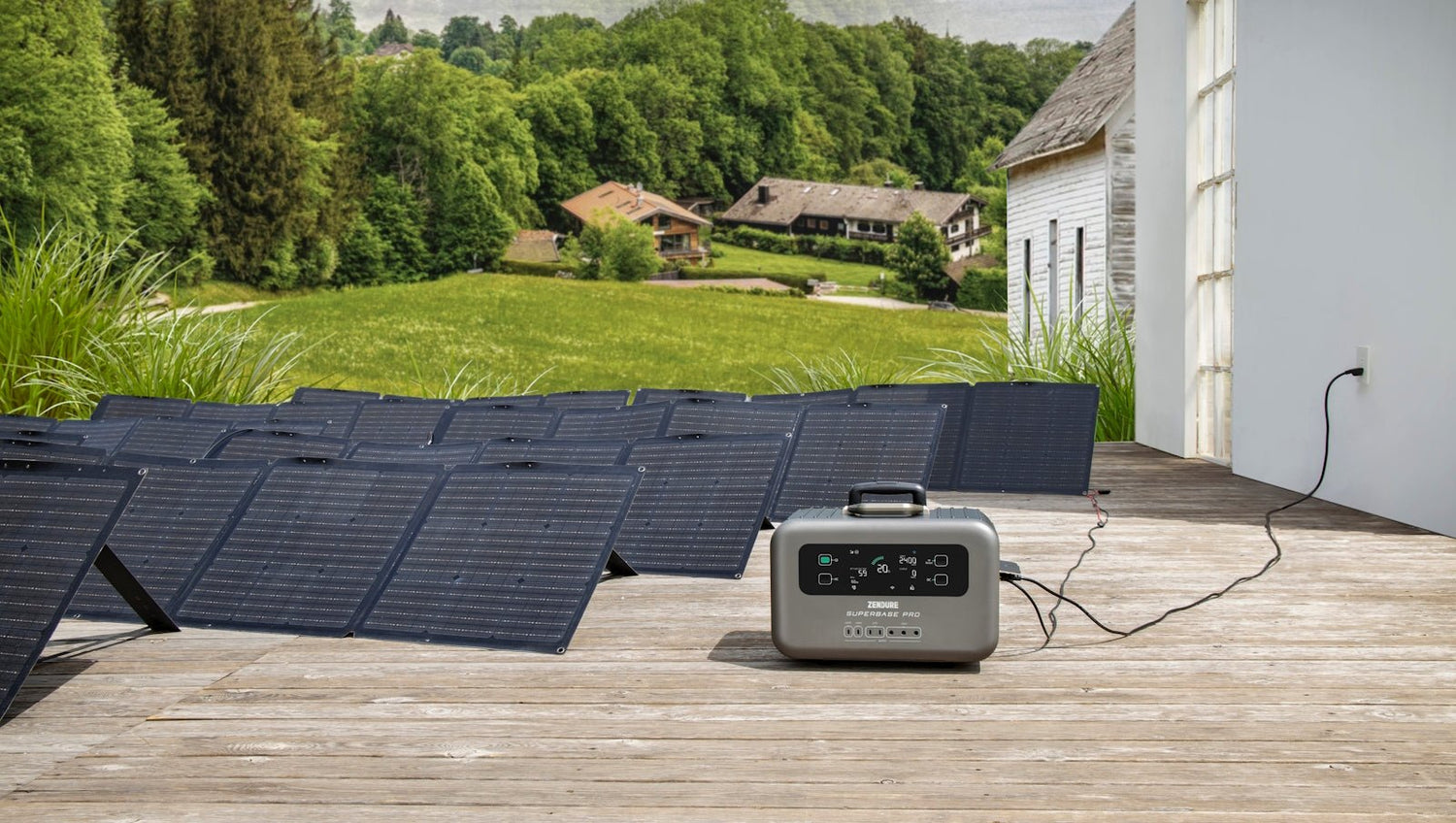
These are relatively new compared to traditional generators, but they have become popular due to their quiet operation and clean energy. Battery stations do not require fuel, making them ideal for indoor use. They are often portable, lightweight, and use Lithium Iron Phosphate (LiFePO4) batteries, renowned for longevity and stability. While they may not match the output of fuel generators, they are perfect for lower wattage needs up to 5,000 watts.
Key Considerations in Choosing Your Generator
When selecting a generator, it's important to evaluate the following factors:
Power Needs
Calculate the total wattage of all devices you plan to power. A typical home backup setup may require between 5,000 to 13,000 watts, while an RV or camping trip could require anywhere from 500 to 5,000 watts.
Fuel Type and Efficiency

Consider the fuel availability and storage implications. Dual-fuel options like the Erayak 4500PDM 4500W Dual-Fuel Inverter Generator offer flexibility by using gasoline or propane.
Noise Levels

For a quiet generator that won't disrupt your peace, look for models designed for reduced noise operation. The Erayak 4500P 4500W Gas Inverter Generator is noted for its quiet operation, making it ideal for use in campgrounds or neighborhoods.
Portability

If you need a generator for both home backup and RV use, portability could be a deciding factor. A model like the Erayak 6800W Portable Inverter Generator offers substantial power in a portable form.
Budget and Maintenance
Assess your budget for purchase and consider the maintenance involved. Fuel generators require regular checks, while battery power stations need minimal maintenance.
For detailed maintenance advice, check out our RV Generator Care Essential Maintenance Tips.
Comparing Your Options
To aid in decision-making, here's a comparison table highlighting key aspects of some featured models:
| Generator Model | Power Output | Fuel Type | Key Features | Noise Level |
|---|---|---|---|---|
| 4500PDE | 4500W | Dual-Fuel | Electric Start, RV & Home Use | Relatively low |
| 2400W Portable | 2400W | Gas | Suitable for Camping, Compact Design | Low |
| 6800W Portable | 6800W | Dual-Fuel | High Power, Versatile for Home & RV | Moderate |
Make sure to confirm the specific features and noise levels on the Erayak Power website for the most accurate information.
Conclusion
Choosing the right backup generator involves assessing your power needs, considering noise levels, and knowing how and where you plan to use it. Whether it's for your home or adventures on the road, the right inverter or portable generator can keep your life running smoothly during power outages. For further guidance on selecting between an inverter generator and portable generator, explore Inverter Generator Versus Portable Generator Key Differences.
Remember, a well-informed choice ensures that your investment provides you with reliable power when you need it most. Happy shopping, and stay powered!
Explore more options and insights on Erayak Power.
FAQs
What size generator do I need for my home?
To determine the right size generator for your home, first evaluate the total wattage of all the appliances you want to power during an outage. Consider starting wattage for devices like refrigerators and HVAC systems, and consult a generator sizing chart for guidance based on your needs.
How do I choose between a portable or standby generator?
Portable generators are versatile and great for short outages, while standby generators are permanently installed and automatically kick in when power goes out, providing a more seamless solution. Your choice depends on your power needs, the frequency of outages in your area, and your budget.
What fuel types are available for backup generators?
Backup generators generally run on gasoline, natural gas, propane, or diesel. Each fuel type has its advantages; for example, natural gas is often more convenient for stationary generators, while gasoline is more portable but may require more frequent refueling.
How do I maintain my backup generator?
Regular maintenance is key to ensuring your generator operates when needed. This includes checking the oil level, replacing filters, and running the generator monthly to keep the engine lubricated. Always refer to the manufacturer's manual for specific maintenance recommendations.
What is the difference between manual and automatic transfer switches?
A manual transfer switch requires you to switch the power source manually during an outage, while an automatic transfer switch detects power loss and automatically switches the electricity source to the backup generator. Automatic switches offer a more convenient, hands-free operation.
Can I use an extension cord with my portable generator?
Yes, you can use extension cords with a portable generator; however, it is vital to use heavy-duty cords rated for the total wattage you plan to draw. Make sure the cords are also weather-resistant if you are using them outside.
What safety precautions should I take when using a backup generator?
Always operate your generator outdoors to prevent carbon monoxide buildup, maintain proper ventilation, and keep it away from doors and windows. Additionally, use ground fault circuit interrupters (GFCIs) and do not overload the generator to ensure safe operation.
How long can I expect my backup generator to run?
The runtime of a backup generator depends on its fuel capacity and the load being powered. On average, a portable generator can run for about 8-12 hours on a full tank of gas, while larger standby generators can run indefinitely when connected to a natural gas supply.
Do I need a permit to install a standby generator?
Permitting requirements vary by local regulations. It's important to check with your local government or building department to determine if you need a permit for generator installation, ensuring that all local codes and regulations are followed.

