

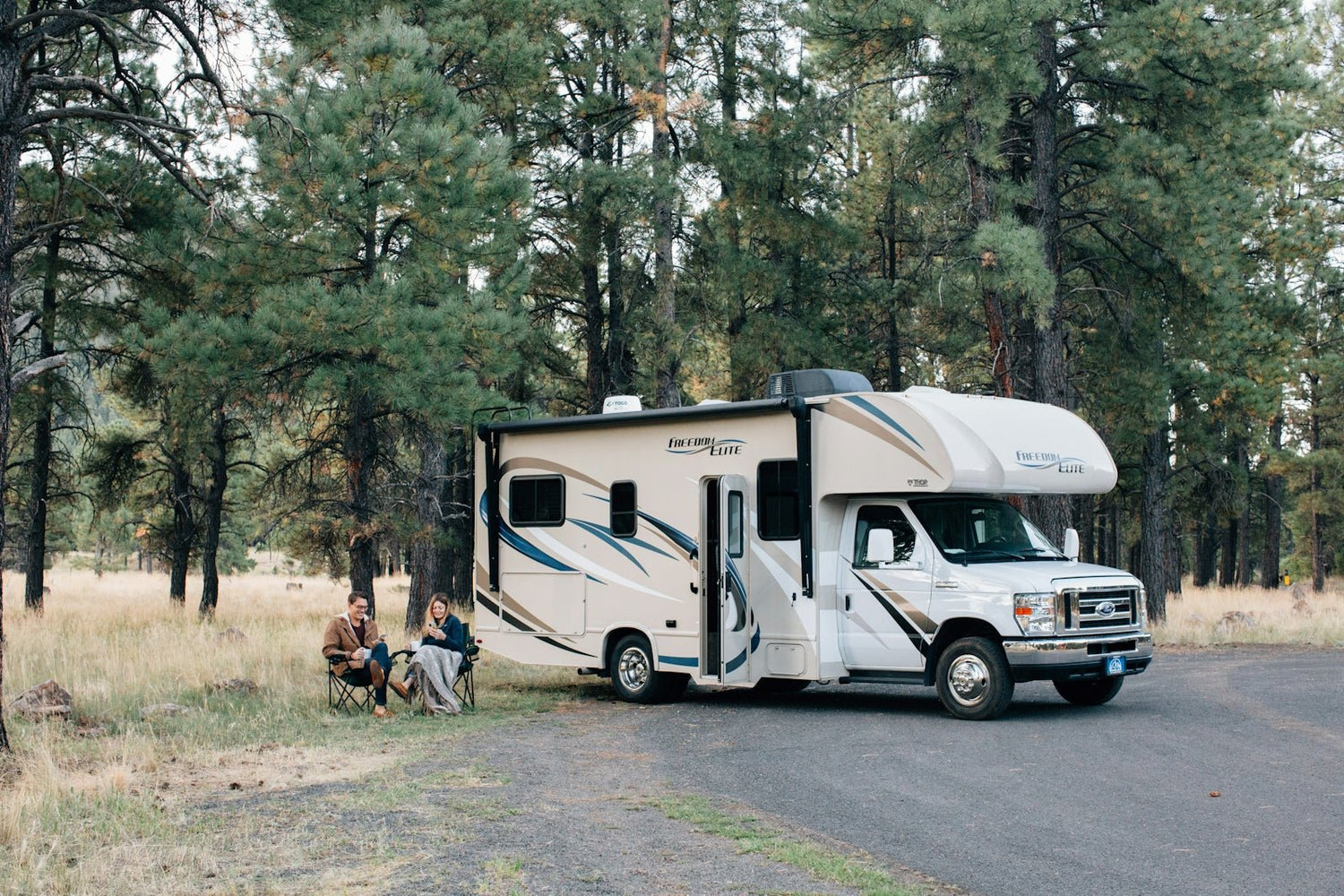
Owning an RV generator can significantly enhance your camping experience or provide crucial backup power during outages at home. Whether you use a fuel-powered inverter generator, portable generator, or a battery-operated backup system, routine maintenance is vital to ensure reliability and longevity. This post offers essential maintenance tips for various types of generators, focusing on U.S. homeowners and RV/camping enthusiasts. You'll also learn about select products that could meet your needs for both home backup and outdoor adventures.
Table of Contents
- Table of Contents
- The Basics of RV Generator Maintenance
- Why Regular Maintenance Matters
- Types of RV Generators
- Fuel-Powered Generators
- Key Maintenance Tasks
- Featured Fuel Generator Products
- Battery-Operated Generators
- Maintenance Tips for Battery Generators
- Comparing Generators: Fuel vs. Battery
- Special Tips for Quiet Generators
- Conclusion: Protect Your Investment
- FAQs
The Basics of RV Generator Maintenance
Why Regular Maintenance Matters
Proper care of your RV generator ensures it delivers peak performance whenever you need it. Whether it’s a portable generator for tent camping or a more robust home backup generator, maintenance can save you from unexpected failures. Well-maintained generators also operate more efficiently and tend to last longer.
Types of RV Generators
Generators are broadly categorized into fuel-powered (inverter and portable) and battery-operated systems. Understanding the type you own can help tailor your maintenance approach.
Fuel-Powered Generators
Fuel-powered generators, like those using gas or propane, are a common choice for RV users. Notably, they must be operated outdoors, away from doors, windows, and vents. For more guidance, check out Choosing the Perfect Home Backup Generator for Families.
Key Maintenance Tasks
1. Oil and Filter Changes
Regular oil and filter changes are crucial for the engine's health. Typically, this should be done every 50 to 100 hours of operation. Always refer to the manufacturer's manual for specific guidelines.
2. Air Filter Cleaning
Dust and debris can clog your air filter, obstructing airflow and reducing efficiency. Clean or replace the air filter every 100 hours or as recommended.
3. Fuel Management
To prevent clogging in fuel lines and carburetors, empty the fuel system before storing your generator for an extended period. Using a fuel stabilizer can also help keep your fuel fresh.
Featured Fuel Generator Products

- Erayak 2400W Portable Inverter Generator - Gas Powered for Camping, RV Essentials & Small Home Backup
- Erayak 6800W Portable Inverter Generator | 120V/240V For RV & Home Backup, Dual-Fuel
- Erayak 4500PDE 4500W Dual-Fuel Inverter Generator for RV & Home Backup with Electric Start
Battery-Operated Generators
Battery-operated generators, often using LiFePO4 technology, are becoming popular for their silent operation and emissions-free performance.
Maintenance Tips for Battery Generators
1. Battery Check and Calibration
Regularly check your battery's charge level to ensure it retains capacity. Some models require calibration to ensure accurate charge readings.
2. Storage and Environment
Store in a cool, dry place to prolong battery life. Extreme temperatures can severely impact performance and lifespan.
3. Software Updates
Some lithium-based generators have firmware that benefits from periodic updates to enhance functionality and efficiency.
Comparing Generators: Fuel vs. Battery
Considerations for choosing between fuel and battery generators include noise levels, emissions, and ease of use. See our guide on Inverter Generator Versus Portable Generator Key Differences to make an informed choice.
Special Tips for Quiet Generators
Running a quiet generator during camping can dramatically improve your outdoor experience. Regular maintenance reduces operational noise. For more insights, read Quiet Generators For Comfortable Camping Trips.
Conclusion: Protect Your Investment
Effective generator maintenance is a wise investment of time that enhances reliability and performance. Understanding your generator’s unique needs and following a routine maintenance schedule ensures it’ll be ready when you need it most. For more resources and top-quality generator solutions, visit the official Erayak website.
By practicing these maintenance tips, whether you own a quiet generator for camping, a robust home backup generator, or rely on battery-operated systems, you'll protect both your equipment and your peace of mind.
FAQs
What is the importance of regular maintenance for RV generators?Regular maintenance ensures that your RV generator operates efficiently and reliably. It helps prevent unexpected breakdowns and prolongs the lifespan of your generator.
How often should I change the oil in my RV generator?It’s generally recommended to change the oil every 50 to 100 hours of operation, but you should always refer to the manufacturer’s guidelines for specific instructions.
What type of oil is best for my RV generator?The best oil depends on your generator's make and model. Typically, most RV generators use 10W-30 or 15W-40 motor oil, but it's essential to consult the owner's manual for the correct specifications.
How can I keep the fuel system in good condition?To maintain your fuel system, use fuel stabilizers, keep the fuel tank full to prevent condensation, and run the generator regularly to keep the fuel circulating and reduce the risk of clogged injectors.
What should I clean or replace in the air filter?You should check the air filter regularly and clean or replace it as needed. A clean air filter helps ensure optimal airflow, improving fuel efficiency and engine performance.
Is it necessary to test my generator periodically?Yes, regularly testing your generator is crucial to ensure that it starts correctly and operates efficiently. It’s a good idea to run the generator under load for about 30 minutes every month.
How do I check the battery condition of my RV generator?Inspect the battery regularly for corrosion, clean any debris, and ensure the terminals are tight. You should also check the water level if it's a lead-acid battery and ensure it’s charged.
What precautions should I take when storing my RV generator?When storing your RV generator, ensure it’s clean, drained of fuel, and placed in a dry, ventilated area. It’s also advisable to cover it to protect it from dust and moisture.
What common issues should I look out for with my RV generator?Common issues include difficulty starting, unusual noises, fluctuations in power output, and persistent error codes. If you notice any of these symptoms, it may be time for a professional inspection.


