

In today's world, where reliability and efficiency in energy generation are more critical than ever, modern generators have advanced significantly to meet these demands. Whether for home backup, RV camping, or demanding job sites, understanding how these powerful tools work can help you make the right choice for your needs.
Table of Contents
- Table of Contents
- The Fundamentals of Generator Operation
- Choosing the Right Generator for Your Needs
- Latest Innovations in Generator Technology
- Preparing for Emergencies
- FAQs
The Fundamentals of Generator Operation
Modern generators, particularly inverter generators, have enhanced traditional generator technology. They convert mechanical energy, typically from a gasoline, diesel, or propane engine, into electrical energy. This conversion process involves several key components: the engine, the alternator, and an inverter module.
- Engine: Responsible for converting fuel into mechanical energy.
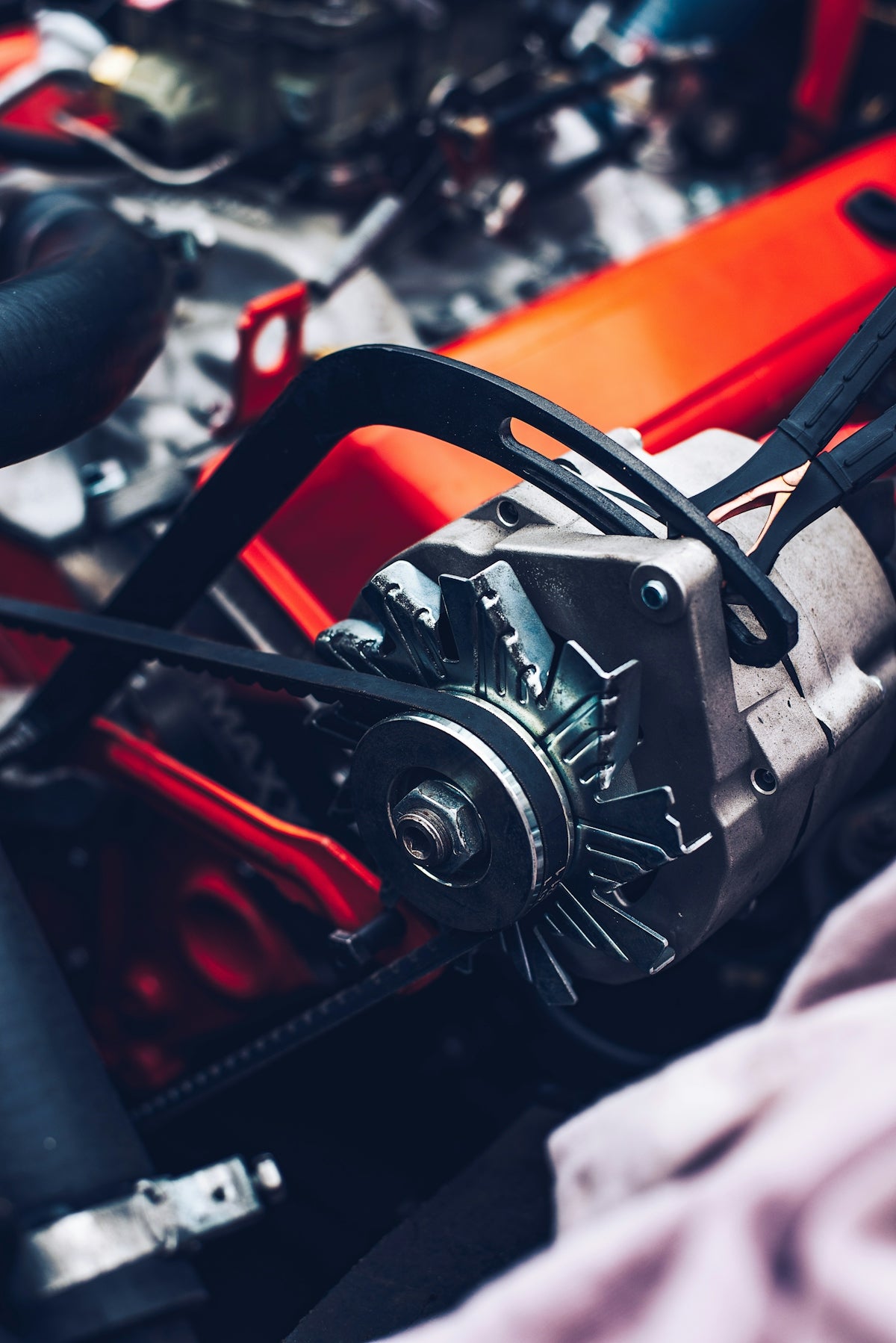
- Alternator: Converts mechanical energy into alternating current (AC) electricity.
- Inverter: Converts AC into direct current (DC) and back to stable AC, ensuring clean electricity that is safe for sensitive electronic devices.
Inverter generators are particularly noted for their efficiency and reduced noise levels. Their ability to adjust the engine speed to produce only the power needed at any given time makes them a popular choice for a variety of applications.
Choosing the Right Generator for Your Needs

When selecting a generator, it's essential to match the generator's capabilities with your power requirements and usage scenarios. Here are a few standout models from Erayak Power that showcase the versatility of modern inverter generators:
- ERAYAK 9,500W Max Open-Frame Inverter Generator: Ideal for emergency home backup, construction, and commercial work with its robust 120V/240V options.
- Erayak 2400W Portable Inverter Generator | 2400P: A compact choice perfect for RV camping, providing sufficient power while ensuring portability.
- ERAYAK 4500 Watt Inverter Generator for RV Camping | 4500P: Offers a balance of power and size, making it a popular choice for RV owners seeking reliability on the go.
- Erayak Dual-Fuel 6800W Inverter Generator: Providing the flexibility of dual-fuel capability, it’s adept for both RV usage and as a reliable home backup.
For more diverse options, you can explore the full range of Erayak Inverter Generators.
Latest Innovations in Generator Technology
The field of generator technology continues to evolve rapidly, improving performance and user experience. Recent innovations focus on enhancing fuel efficiency, extending operating times, and integrating smart technology for remote monitoring and control. These advancements make generators more user-friendly and efficient than ever, ensuring you get the most out of your investment. For more insights, consider reading this article.
Preparing for Emergencies
Having a reliable generator can be a game-changer during emergencies. It’s prudent to plan ahead and assess your emergency power needs. For tips on how to prepare your home effectively with the right generator, check out this guide.
Understanding how modern generators work and knowing what to look for can help you make an informed decision that best meets your power needs. As technology advances, so too do the opportunities to find a generator that perfectly suits your lifestyle and requirements.
For further reading on the different types of generators and to address common curiosities, visit the Frequently Asked Questions About Different Types of Generators article.
By choosing modern, efficient generators, you ensure uninterrupted power, peace of mind, and readiness for any situation that demands reliable energy.
FAQs
What is the basic principle behind how modern generators work?
Modern generators operate based on the principle of electromagnetic induction, where mechanical energy is converted into electrical energy. This involves rotating a conductor, typically copper wire, within a magnetic field to produce an electrical current.
What are the different types of generators available today?
There are several types of modern generators, including portable generators, standby generators, inverter generators, and solar generators. Each type has unique characteristics and applications, catering to various power needs.
How does a standby generator differ from a portable generator?
A standby generator is permanently installed and automatically provides backup power to a home or building during power outages, whereas a portable generator can be easily moved and used whenever needed, but must be started manually.
What are the key components of a modern generator?
Key components include the engine, alternator, fuel system, voltage regulator, cooling and exhaust systems, and control panel. Each part plays a crucial role in the functioning and efficiency of the generator.
How do inverter generators work and what makes them different?
Inverter generators produce stable, clean energy by converting DC (direct current) power produced by an engine into AC (alternating current) power. This process allows them to provide electricity that is safe for sensitive electronics and often operates more quietly than traditional generators.
What fuels do modern generators typically use?
Modern generators can run on various fuels, including gasoline, diesel, propane, and natural gas. The choice of fuel often affects efficiency, run time, and suitability for different applications.
How can I maintain my generator to ensure optimal performance?
Regular maintenance includes checking and changing the oil, replacing air and fuel filters, inspecting the spark plugs, and ensuring the battery is charged. It's also important to run the generator periodically to keep all systems functioning properly.
What are some common safety tips when using a generator?
Always operate the generator outdoors in a well-ventilated area to avoid carbon monoxide poisoning. Keep it away from windows and doors, use appropriate extension cords, and never overload the generator to prevent damage or fire hazards.
Can generators be used in off-grid situations?
Yes, generators are popular for off-grid situations as they can provide reliable power when there is no access to electrical infrastructure. They are commonly used in camping, remote work sites, and during natural disasters.
