

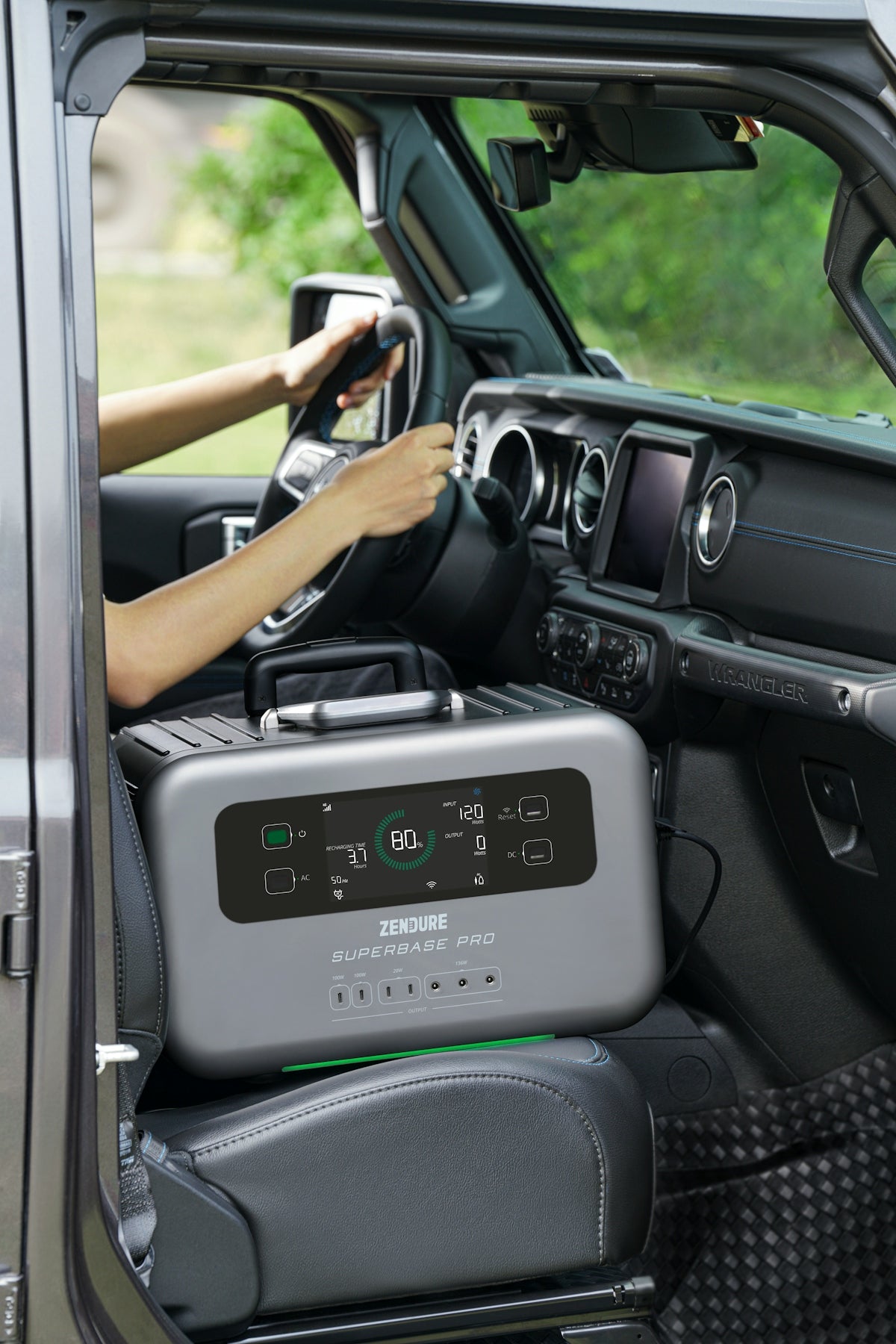
In an age where reliable power is more essential than ever, having a backup power solution is no longer a luxury but a necessity. Portable natural gas generators have emerged as a popular choice for both home and emergency use. However, potential buyers often have concerns about their performance, practicality, and versatility. Let’s tackle some common questions surrounding the use of portable natural gas generators.
Natural Gas Generator for Home Backup
When considering a natural gas generator for home backup, there are many benefits to explore. These generators provide an efficient and reliable source of power that can keep your home running smoothly during outages. Unlike traditional gasoline generators, natural gas models can connect directly to your existing gas line, ensuring a steady fuel supply without the hassle of refueling.
Key Advantages:
- Continuous Fuel Supply: No need to store large quantities of fuel; natural gas is continuously available via utility lines.
- Cleaner Burning: Produces fewer emissions compared to gasoline, making it a more environmentally friendly choice.
Versatility with Natural Gas Tri Fuel Generators
A natural gas tri fuel generator offers unmatched versatility, allowing you to switch between natural gas, propane, and gasoline. This flexibility is particularly valuable during emergencies when fuel availability might be uncertain.
Featured Product:
 Consider the 6800W Tri-Fuel 120V/240V Inverter Generator | 6800PT. This model is designed for maximum adaptability and can efficiently power a range of home appliances.
Portable Options
For those who need mobility in their power solutions, a portable natural gas generator can be the perfect fit. These generators are designed to be transported easily, ensuring you have power wherever you need it, whether for outdoor events or remote job sites.
Essential Features:
- Compact Design: Easy to transport and store.
- User-Friendly Controls: Makes operation straightforward, even for those new to generators.
In conclusion, when selecting a portable natural gas generator, understanding the technology and evaluating your specific needs are crucial steps. Whether you are looking for a natural gas generator dedicated to home backup, or a tri-fuel model for flexibility and reliability during emergencies, there's a solution available to suit every requirement and budget.
For more detailed information about our products and insights on power solutions, visit Erayak Power.
FAQs
What is a portable natural gas generator?
A portable natural gas generator is a compact power generation device that runs on natural gas, providing electricity in a convenient and mobile format. It’s ideal for both residential use and outdoor activities.
How do I know what size portable natural gas generator I need?
To determine the right size, calculate the total wattage of the appliances or equipment you wish to power. It’s important to consider both starting and running wattages, as some devices require more power to start up.
Are portable natural gas generators more efficient than other fuel types?
Yes, portable natural gas generators tend to be more efficient compared to gasoline or diesel generators. Natural gas burns cleaner and more efficiently, which can lead to cost savings and reduced emissions.
Can I use a portable natural gas generator during a power outage?
Absolutely! Portable natural gas generators are excellent for providing backup power during outages. However, ensure that you connect it safely to your home’s electrical system, ideally with a transfer switch installed by a professional.
How do I maintain my portable natural gas generator?
Regular maintenance includes checking and replacing the air filter, inspecting the spark plugs, and ensuring fuel lines are intact. It’s also important to run the generator periodically to keep it in good working condition.
Is it safe to use a portable natural gas generator indoors?
No, it is not safe to operate a portable natural gas generator indoors due to the risk of carbon monoxide buildup. Always use it in well-ventilated outdoor areas to ensure safety.
What should I do if my generator won't start?
If your generator won't start, check for common issues such as insufficient fuel, a stalled engine due to lack of maintenance, or problems with the spark plug. Consult the manual for troubleshooting tips or consider contacting a professional if issues persist.
How do I transport a portable natural gas generator safely?
When transporting your generator, ensure it's securely fastened in your vehicle to prevent movement during transit. Check that the fuel supply is turned off and that no fuel leaks exist before transport.
Can I convert my gas generator to run on propane?
Yes, many portable natural gas generators can be converted to run on propane. However, this may require a conversion kit and should be done following manufacturer guidelines or professional assistance to ensure safety and efficiency.


