

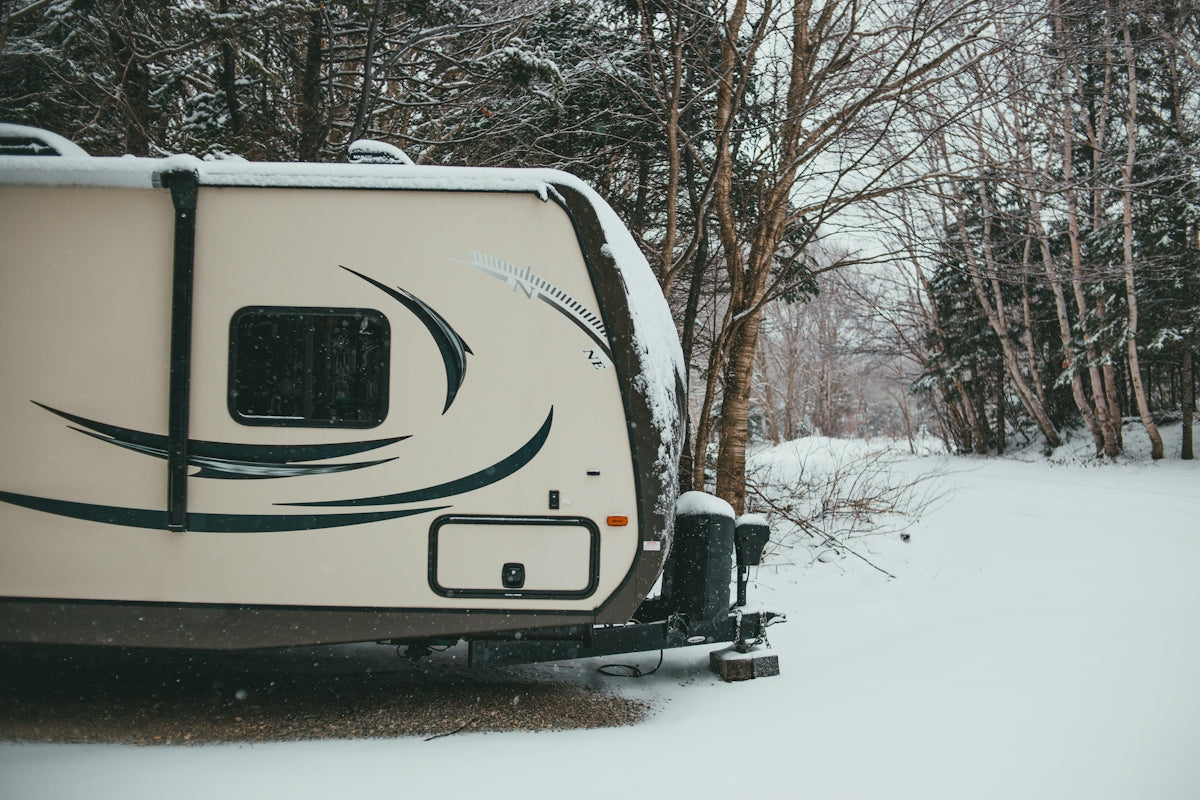
For anyone embarking on an RV adventure, having a reliable power source is crucial. RV generators are the heart of your power system, allowing you to stay connected and comfortable while exploring the great outdoors. In this guide, we'll walk you through the essentials of RV generators and introduce some quality options from Erayak Power.
Table of Contents
- Table of Contents
- What is an RV Generator?
- Types of RV Generators
- Key Features to Consider
- Recommended Erayak RV Generators
- [ERAYAK 4500 Watt Inverter Generator for RV Camping | 4500P](/products/4500w-inverter-generator-rv-camping)
- [Erayak Dual-Fuel 4500W Inverter Generator | 4500PDE](/products/erayak-4500pd-4500w-dual-fuel-inverter-generator-for-rv-home-backup-electric-start)
- Additional Resources
- FAQs
What is an RV Generator?
An RV generator is a device designed to supply electrical power to your recreational vehicle. These generators come in various types and sizes, making them suitable for different power needs. They are critical for running appliances, charging devices, and maintaining a comfortable environment inside your RV.
Types of RV Generators
RV generators are mainly categorized based on their fuel types:
- Gasoline Generators: Common and easy to find fuel but can be less efficient.
- Diesel Generators: More fuel-efficient and long-lasting, but the units tend to be more expensive.
- Propane Generators: Clean-burning and quiet, but may require frequent refueling.
- Dual-Fuel Generators: Offer flexibility as they can run on both gasoline and propane.
Key Features to Consider
- Power Output: Determine the wattage required for your appliances and choose a generator with adequate power capacity.
- Portability: Easy transport and installation are critical, especially if you move your RV frequently.
- Noise Level: Look for generators with lower noise output to maintain peace and harmony in campsites.
- Fuel Efficiency: Efficient fuel use is essential for longer trips and cost savings.
- Inverter Technology: Generators with inverter technology provide clean and stable electricity, safer for sensitive electronic devices.
Recommended Erayak RV Generators
ERAYAK 4500 Watt Inverter Generator for RV Camping | 4500P
This inverter generator is perfect for RV camping due to its lightweight design and robust power output. It offers clean, stable electricity, ensuring your electronic devices operate safely.
Erayak Dual-Fuel 4500W Inverter Generator | 4500PDE
A dual-fuel option provides flexibility for those longer trips when you need to switch between gasoline and propane, offering convenience and extended usage.
For a wider range of inverter generators suited to various power needs, explore the Erayak Inverter Generators Collection.
Additional Resources
To maximize the functionality and lifespan of your RV generator, check out How to Maximize the Life of Your RV Generator. If you ever encounter problems, the article on Troubleshooting Common RV Generator Issues and Solutions can provide valuable insights.
Are you curious about more practical tips and advice? Visit the article Frequently Asked Questions About RV Generators Answered for a comprehensive understanding.
Whether you're new to RVing or a seasoned traveler, choosing the right generator is vital for a seamless and enjoyable journey. For more information, visit the Erayak Power website.
FAQs
What is an RV generator?
An RV generator is a portable power source that provides electricity to recreational vehicles (RVs) when they are not connected to an external power supply. It can power appliances, lighting, and other electronic devices in the RV, making it a crucial component for off-grid camping and travel.
How do I determine what size generator I need for my RV?
To determine the appropriate size generator, you should first calculate the total wattage required for your appliances and devices. Consider starting watts (the power needed to start appliances) and running watts (the power needed to keep them running). A generator that provides a bit more wattage than your total requirement is ideal to ensure you have enough power.
What types of generators are available for RV use?
There are three main types of generators suitable for RVs: portable generators, inverter generators, and built-in (or onboard) generators. Portable generators are versatile and easy to take along, inverter generators are quieter and provide cleaner power for sensitive electronics, and built-in generators are permanently installed in the RV for convenience.
Can I run my RV air conditioner on a generator?
Yes, you can run your RV air conditioner on a generator, but you need to ensure that the generator can handle the starting and running wattage of the air conditioner. Most RV air conditioners require a significant amount of power, especially at startup, so it's essential to choose a generator with an adequate power output.
How do I maintain my RV generator for optimal performance?
Regular maintenance for your RV generator includes checking and changing the oil, replacing the air filter and spark plug, and running the generator periodically to keep it in good working order. It's also important to clean the fuel system and inspect for any leaks or damage.
What are the benefits of using an inverter generator for my RV?
Inverter generators are known for their quiet operation, fuel efficiency, and ability to produce clean power. This makes them an excellent choice for powering sensitive electronics in your RV, such as laptops and phones, without the risk of damaging them.
Do I need to use a specific type of fuel for my RV generator?
RV generators generally run on gasoline, propane, or diesel, depending on the model. It's crucial to check the manufacturer's specifications to ensure you're using the correct fuel type and to maintain the generator’s performance.
How can I ensure safe operation of my RV generator?
To operate your RV generator safely, always follow the manufacturer's instructions, use it outdoors to prevent carbon monoxide buildup, and keep it away from windows and vents. Using a carbon monoxide detector inside the RV is also highly recommended for additional safety.
Can I connect my RV generator to my home during a power outage?
Connecting your RV generator to your home can be done, but it requires a transfer switch to prevent backfeeding into the grid, which can be hazardous. Always consult a professional electrician to ensure safe installation and use of your generator in such situations.
