

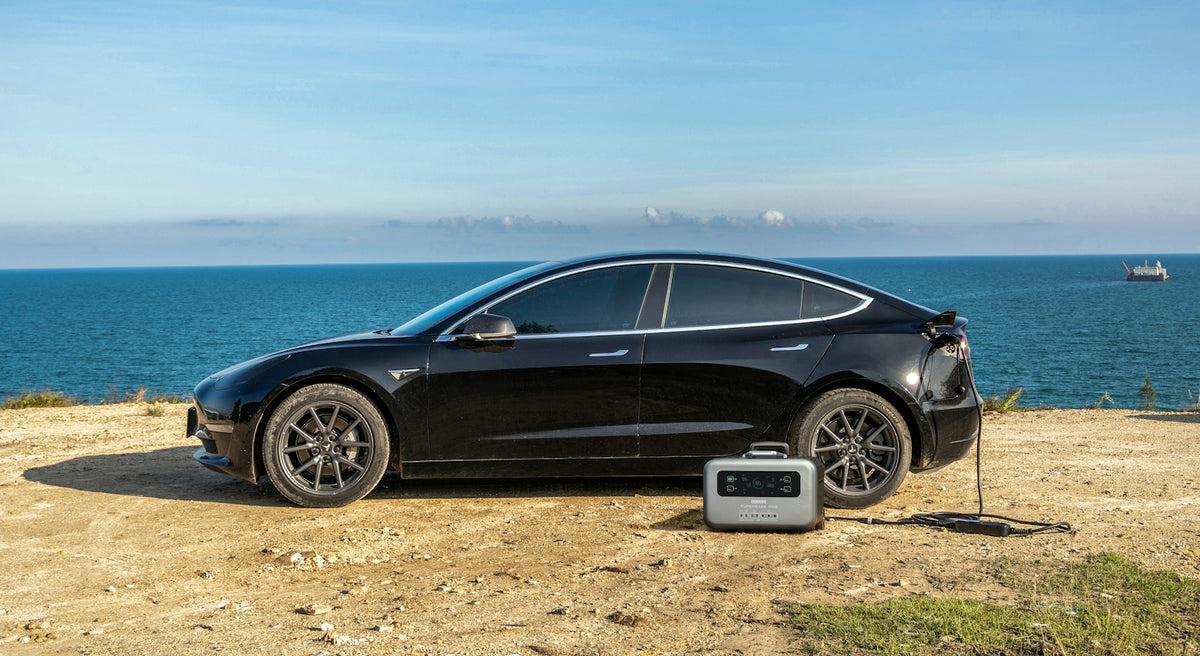
In today's fast-paced world, power outages and remote adventures require reliable, portable power solutions. Whether you're a homeowner worried about sudden blackouts or an RV enthusiast seeking self-sufficiency on the road, portable generators offer versatile solutions. This article will explore the benefits of using portable generators, with a special focus on inverter generators, portable power stations, home backup generators, and RV generators. These diverse tools can transform how you think about power for your home and on the go.
Table of Contents
- Table of Contents
- Why Choose a Portable Generator?
- Types of Portable Generators
- 1. Inverter Generators
- 2. Portable Power Stations
- 3. Home Backup Generators
- 4. RV Generators
- Operating Generators Safely
- Key Safety Guidelines:
- Choosing the Right Generator
- Power Needs
- Noise Levels
- Fuel Type
- Practical Takeaway
- FAQs
Why Choose a Portable Generator?

Portable generators serve as a crucial power source in various scenarios. They can provide electricity during emergencies, power tools on job sites, fuel outdoor events, and enhance the experience of RV camping. Let's break down the main benefits of these devices:
- Emergency Power Supply: Portable generators can keep vital home systems running during power outages. From refrigerators to sump pumps, having a reliable power backup can help avoid disaster.
- Convenience and Mobility: Designed for easy transport, portable generators enable users to bring power wherever it’s needed — camping sites, outdoor parties, or tailgating events.
- Diverse Fuel Options: Many portable generators use gasoline, diesel, or propane. Dual-fuel models, like the Erayak Dual-Fuel 6800W Inverter Generator, offer flexibility to switch between fuel types, optimizing availability and cost.
Types of Portable Generators
Exploring the types of portable generators helps determine which would work best for your specific needs:
1. Inverter Generators

Inverter generators are a popular choice due to their ability to produce clean and stable electricity suitable for sensitive electronics. They are typically quieter and more fuel-efficient than conventional generators. Models like the ERAYAK 4500 Watt Inverter Generator for RV Camping provide robust power with minimal noise, making them ideal for camping environments.
2. Portable Power Stations
For a quieter, emission-free power source, consider a portable power station. These battery-powered devices are great for indoor use or sites where noise and fumes are a concern. They often come with rechargeable batteries based on LiFePO4 technology, offering between 500–5,000 watts of power.
3. Home Backup Generators
Designed to keep your household running smoothly during outages, home backup generators typically range from 5,000 to 13,000 watts. Properly sizing your home backup generator is crucial. For detailed guidelines, refer to the Home Backup Generator Sizing Guide for Power Outages.
4. RV Generators
RV generators provide the freedom to enjoy electrified comforts while off-grid. They are compact and often feature sound-dampening technology for quiet operation. For a full exploration of RV generator options, read RV Generators: Choosing for a Self-Sufficient Adventure.
Operating Generators Safely
Using portable generators involves specific safety measures to prevent harm or accidents. Always operate fuel generators outdoors, far from any openings of your home or RV to avoid carbon monoxide poisoning. Review detailed safety tips in the Safe Usage Tips for Portable Generators at Home.
Key Safety Guidelines:
- Location: Position at least 20 feet from windows or doors.
- Ventilation: Use in a well-ventilated area only.
- Connection: Don’t plug the generator directly into a home outlet.
Choosing the Right Generator
Selecting the right portable generator includes evaluating power needs, usage frequency, and budget constraints. Here’s a brief guide to assist you:
Power Needs
- 500–5,000W: Suitable for smaller devices and equipment or brief excursions.
- 5,000–13,000W: Ideal for whole-home backup during outages.
Noise Levels

For areas demanding quiet operation, inverter and RV generators tend to have lower decibel outputs, similar to the quiet Erayak 2400W Portable Inverter Generator.
Fuel Type

Dual-fuel options provide versatility when fuel types are limited, such as the Erayak Dual-Fuel 4500W Inverter Generator.
Practical Takeaway
Portable generators, whether powered by fuel or battery, offer indispensable solutions for those requiring a reliable power supply on the go or at home. By considering unique needs—whether it’s a quiet generator for camping or a powerful home backup generator during emergencies—you can efficiently tap into the potential of portable power solutions.
For more information on selecting the right portable generator, visit Erayak Power.
FAQs
What is a portable generator?
A portable generator is a compact power source that can be easily transported and is designed to provide electricity for various applications, such as camping, tailgating, or during power outages.
What are the benefits of using a portable generator?
Portable generators offer versatility, convenience, and reliability. They can power tools, appliances, and electronic devices in areas without access to a fixed electrical supply, making them ideal for outdoor activities or emergency situations.
How long can a portable generator run on a tank of gas?
The runtime of a portable generator depends on its fuel capacity and load demand. Generally, a full tank can sustain operation for 8 to 12 hours, but it varies based on usage and generator specifications.
Can I use a portable generator indoors?
No, portable generators should never be used indoors or in enclosed spaces due to the risk of carbon monoxide buildup, which can be fatal. Always operate them in well-ventilated outdoor areas.
What should I look for when choosing a portable generator?
When selecting a portable generator, consider factors like power output (measured in watts), fuel type, runtime, weight, noise level, and safety features. Match the generator’s capacity to your power needs for optimal performance.
Are portable generators safe to operate?
Yes, portable generators can be safe if used correctly. Always follow the manufacturer's instructions, avoid overloading the generator, and ensure proper ventilation to reduce the risk of fire and carbon monoxide poisoning.
How do I maintain my portable generator?
Regular maintenance includes checking and changing the oil, replacing air filters, keeping it clean, and ensuring all electrical connections are secure. Consult the user manual for specific maintenance guidelines.
Can a portable generator power my entire home?
While portable generators can power essential appliances during outages, they typically cannot supply enough power for an entire home. For whole-home backup, a larger standby generator may be necessary.
What are the noise levels of portable generators?
Noise levels vary by model and brand but generally range from 50 to 75 decibels. Many manufacturers now produce quieter models designed for minimal noise, making them more suitable for residential areas and camping.


