

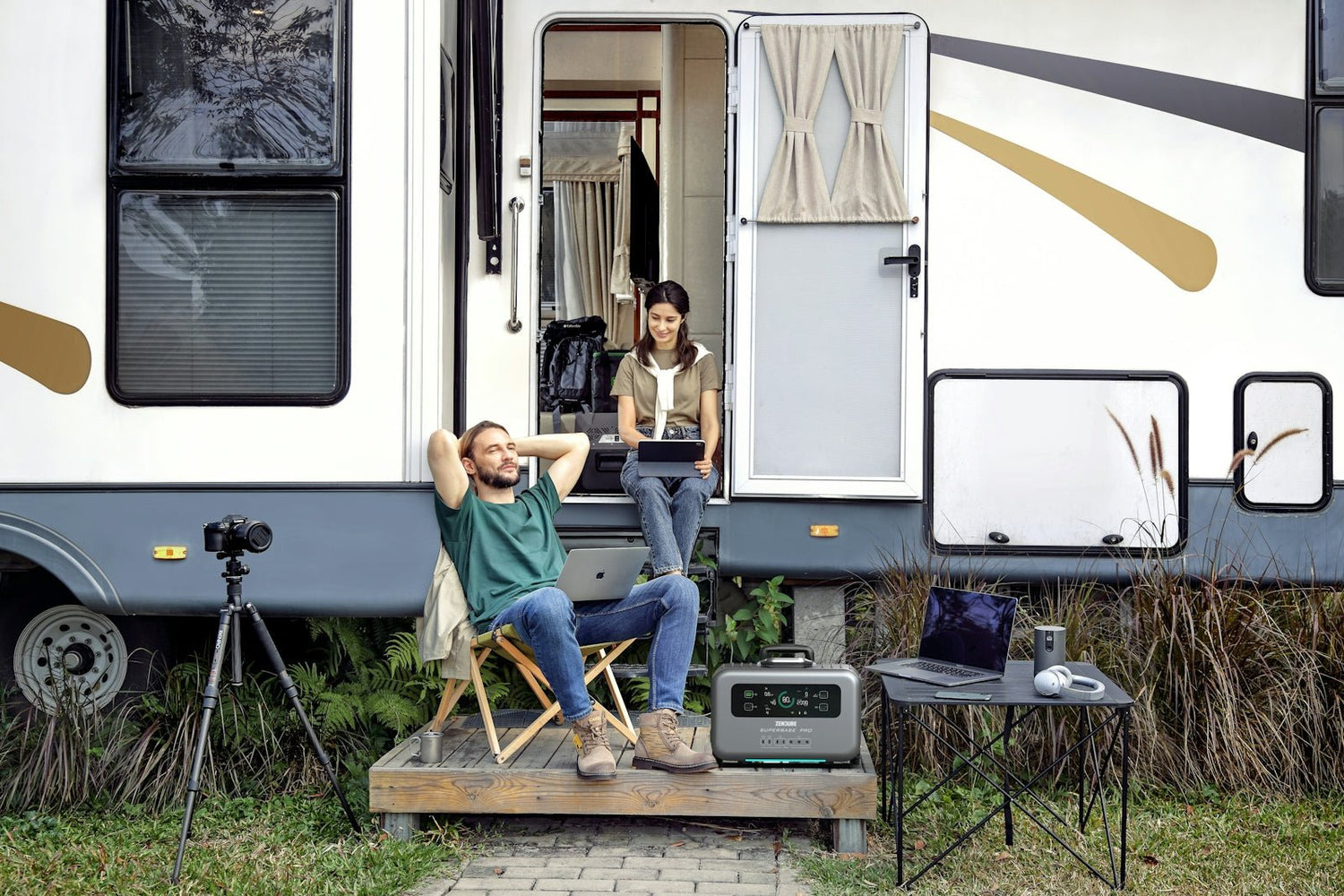
When planning for an uninterrupted power supply at home or on the road, understanding the scope between different generators is crucial. From inverters capable of powering essential home systems to portable solutions perfect for RVs and camping, knowing the difference in size and runtime can guide your purchase decision. Let's delve into the specifics around 5,000–13,000W home-backup generators and 500–5,000W LiFePO4 portable power stations.
Table of Contents
- Table of Contents
- Types of Generators: Understanding the Basics
- Inverter Generators
- Portable Generators
- Home Backup Generators
- RV Generators
- Comparing by Size and Runtime
- Generator Size Guide
- Portable Power Station Overview
- Practical Considerations
- Fuel Efficiency
- Runtime
- Noise Levels
- Maintenance and Safety
- Final Takeaway
- FAQs
Types of Generators: Understanding the Basics
Inverter Generators

Inverter generators are known for their ability to provide clean and stable power, making them an excellent choice for sensitive electronics. They are typically quieter than traditional generators due to their sound-damping technology and variable speed engine that adjusts to the load required. Read more about safety practices here.
For instance, the Erayak 6800W Portable Inverter Generator offers flexibility with its 120V/240V output, suitable for both RVs and home-backup applications. This model is a tri-fuel generator, providing the option of gasoline, propane, or natural gas.
Portable Generators

Portable generators are indispensable for those who enjoy camping or need flexibility in emergency situations. They are easy to transport and often designed to run quietly, such as the ERAYAK 4500P 4500W Gas Inverter Generator, ideal for RV and camping usage.
Home Backup Generators

Home backup generators provide power sufficient to run entire households during outages. Notable models like the Erayak 4500PDM 4500W Dual-Fuel Inverter Generator ensure consistent power flow using either gasoline or propane.
RV Generators

RVs benefit greatly from inverter generators that ensure quiet operation and reliable power for sensitive equipment. The Erayak 2400W Portable Inverter Generator is a compact choice for camping enthusiasts seeking efficient power on the go.
Comparing by Size and Runtime
Understanding size and runtime is essential when selecting a generator. Below is a straightforward comparison to illustrate these factors in common wattages for both generator types.
Generator Size Guide

- 5,000W-6,000W: Suitable for medium households with critical appliances. For instance, a Erayak 6800W Portable Inverter Generator ensures ample runtime with dual-fuel options.
- 7,000W-9,000W: Necessary for larger homes requiring consistent energy flow. Fuel choice may affect runtime efficiency.
- 10,000W-13,000W: Top-tier backup capacity capable of powering larger properties or housing complexes.
Portable Power Station Overview
For portable power solutions, maintaining compactness and light weight is crucial, particularly for outdoor and camping scenarios. Models in the 500-5,000W range offer different capabilities with a focus on mobility and ease of use:
- 500W-1,500W: Ideal for small electronics and short-term use.
- 2,000W-3,500W: Suitable for slightly larger applications such as mid-sized RVs.
- 4,000W-5,000W: These might sacrifice portability for extended capability over long durations.
Practical Considerations
Fuel Efficiency
Choose a generator based on the fuel's accessibility and cost. Tri-fuel options like the Erayak 6800W Portable Inverter Generator provide flexibility but can involve more complicated management.
Runtime
Ensure the generator's runtime suits your needs. Fuel generators offer variable runtime depending on fuel type and consumption rates. Alternatively, LiFePO4 power stations, as discussed here, offer sustainable options with extended life cycles.
Noise Levels
Operate your generator outdoors and prioritize quieter models such as the ERAYAK 4500P for RVs, which can significantly decrease noise pollution, especially when running overnight.
Maintenance and Safety
Regular maintenance is key to ensuring your backup generator remains operational. Follow manufacturer guidelines and consult the Charging Your RV Generator Properly article for more insights. Always operate fuel-based generators outdoors to avoid the risk of carbon monoxide poisoning.
Final Takeaway
Choosing between a traditional fuel-powered or a modern LiFePO4 portable power station depends on your individual needs, including power requirements, portability, and budget constraints. Whether using it for home backup or as an RV generator, consider factors like runtime, noise, and fuel options to make an informed decision. Always prioritize safety and operational efficiency to ensure reliable power when you need it most.
For more information and generator options, please visit Erayak Power.
FAQs
What factors should I consider when choosing the size of a home backup generator?
When choosing the size of a home backup generator, consider the total wattage of the appliances and systems you want to power during an outage. It's essential to calculate both the starting (surge) wattage and the running (continuous) wattage to determine the appropriate generator size.
How do I determine the runtime of a backup generator?
The runtime of a backup generator is primarily determined by its fuel capacity and the load it is powering. To estimate runtime, check the generator's fuel tank size and the consumption rate in watts or gallons per hour at a given load. Running a generator at a lower load can extend its runtime.
What is the difference between portable and standby home backup generators?
Portable generators are usually smaller and require manual setup when needed, while standby generators are permanently installed and automatically kick in during a power outage. Standby generators typically offer higher wattage and longer runtimes compared to portable models.
How can I increase the runtime of my home backup generator?
You can increase the runtime of your home backup generator by operating only essential appliances, maintaining a full fuel tank, and regularly servicing the generator to ensure it runs efficiently. Using energy-efficient appliances can also help minimize load and extend runtime.
What is the average lifespan of a home backup generator?
The average lifespan of a home backup generator varies based on its type and maintenance but typically ranges from 10,000 to 30,000 hours of operation. Regular maintenance, such as oil changes and filter replacements, can help maximize its lifespan.
How can I tell if my generator is the right size for my home?
To determine if your generator is the right size, evaluate your power needs by listing essential appliances and their wattages. If the generator meets or exceeds the cumulative starting and running wattages needed, it is likely a suitable size for your home.
Do home backup generators run on different types of fuel?
Yes, home backup generators can run on various types of fuel, including gasoline, propane, natural gas, and diesel. Each fuel type has its advantages, such as availability, cost, and runtime efficiency, which should be considered when making a choice.
Are there maintenance requirements for home backup generators?
Yes, regular maintenance is essential for home backup generators to ensure reliable performance. This includes checking and changing the oil, replacing air and fuel filters, inspecting battery levels, and conducting load tests to confirm that the generator can handle your power needs.
Is it possible to run multiple appliances on a generator?
Yes, you can run multiple appliances on a generator, provided that their combined wattage does not exceed the generator's capacity. It's essential to prioritize essential devices and monitor the total load to avoid overloading the generator.

