

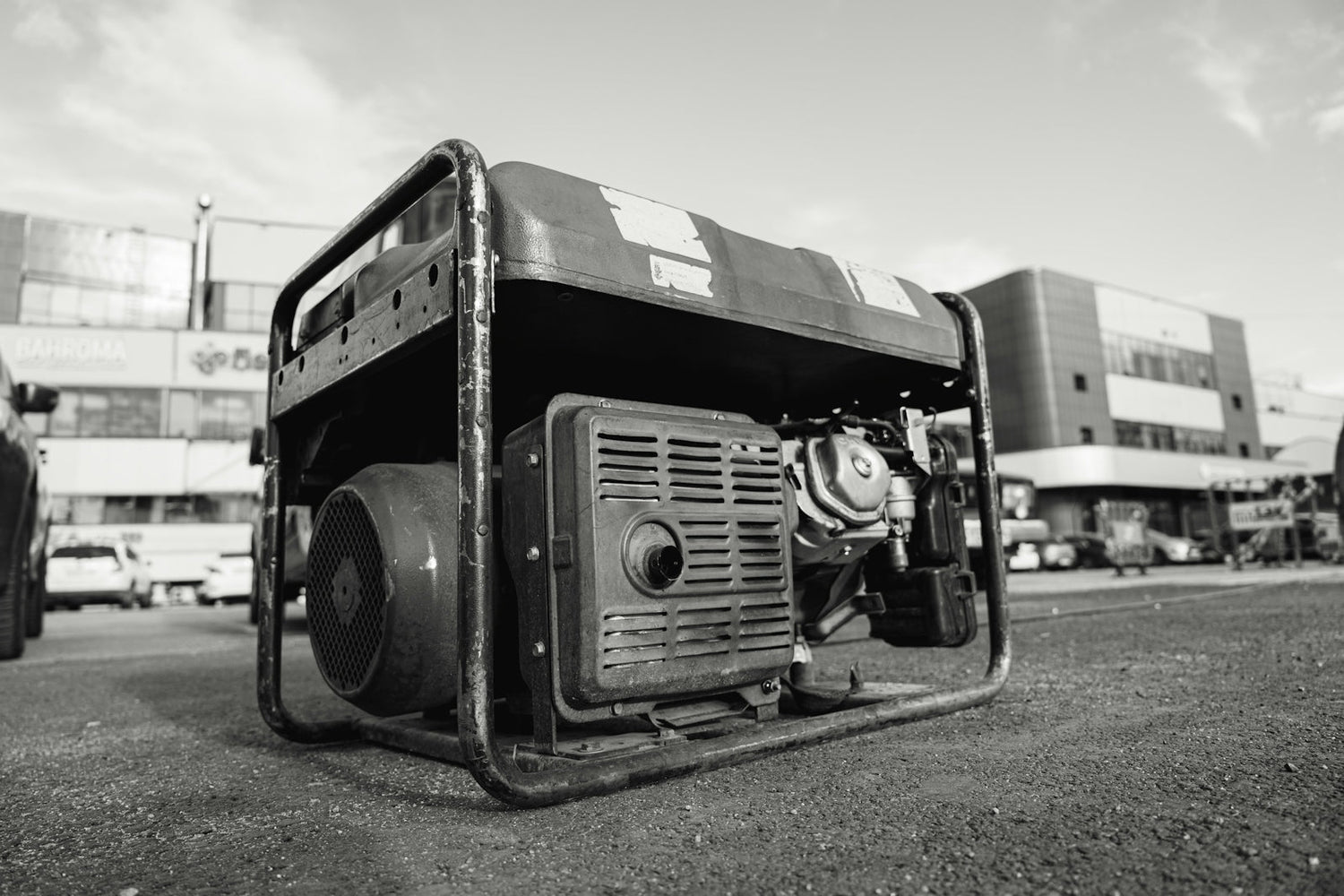
In today's world, quiet inverter generators have become vital for homeowners and outdoors enthusiasts. Whether you're in need of a home backup generator for those unexpected power outages or a portable generator for RV and camping trips, safety is paramount. This article will guide you through essential safety tips to ensure you can use your inverter generator responsibly and effectively.
Table of Contents
- Table of Contents
- Why Safety is Crucial with Generators
- Safe Usage of Fuel-Powered Generators
- 1. Operate Outdoors Only
- 2. Follow Manufacturer's Guidelines
- 3. Inspect the Generator Before Use
- LiFePO4 Portable Power Stations
- 1. Ensure Proper Charging
- 2. Keep Away from Moisture
- 3. Store in Moderated Conditions
- Practical Considerations for Home Backup Generators
- Power Needs Assessment
- Plan for Runtime
- RV and Camping Safety Tips
- 1. Adequate Ventilation
- 2. Secure Placement
- 3. Fuel Storage
- Maintenance
- Takeaway
- FAQs
Why Safety is Crucial with Generators
Safety concerns involve both operational hazards and environmental considerations. Most generator accidents stem from carbon monoxide poisoning, electrical hazards, and improper usage. Understanding these risks can prevent tragic accidents and prolong the life of your generator.
Safe Usage of Fuel-Powered Generators
1. Operate Outdoors Only

Fuel generators, even quiet ones like the Erayak 6800W Portable Inverter Generator, must be used outdoors. This prevents carbon monoxide buildup, which can be lethal. Ensure the generator is placed far away from doors, windows, and vents. Never operate them inside your home, garage, basement, or any indoor or partially enclosed space.
2. Follow Manufacturer's Guidelines

Adhere strictly to the user manual and local regulations when operating your generator. This includes proper maintenance and setup procedures that vary by model. For those using dual-fuel options like the Erayak 4500PDM Dual-Fuel Inverter Generator, understanding the specs and fuel requirements is essential.
3. Inspect the Generator Before Use
Perform regular checks for any fuel leaks, worn-out parts, or electrical connections. Make sure the unit is free from dust and debris to prevent any hazardous build-up.
LiFePO4 Portable Power Stations
1. Ensure Proper Charging
When relying on battery-powered generators, proper charging is fundamental. Ensure that your power station is fully charged and ready to be used in case of an emergency. Follow all charging instructions to avoid electrical hazards.
2. Keep Away from Moisture
Moisture can severely damage electrical components and lead to malfunctions. Keep your portable power stations dry and elevated, especially during rain or near water sources.
3. Store in Moderated Conditions
Temperature extremes can affect the longevity of battery systems. Store your LiFePO4 power stations in a cool, dry place when not in use.
Practical Considerations for Home Backup Generators
When choosing a home backup generator, size and capacity are crucial. This is influenced by your energy needs, typically between 5,000–13,000W. To help you decide, check out our detailed guide on Choosing Your Backup Generator For Power Outages.
Power Needs Assessment
- Essential Appliances: Calculate the wattage required for essential appliances like refrigerators, ovens, and HVAC systems.
- Generator Capacity: Be sure your generator’s capacity meets your home's requirements.
Plan for Runtime
Consider your generator's fuel consumption rate and runtime capabilities. Here's a Quick Guide To Portable Generator Runtime Planning for more detailed planning.
RV and Camping Safety Tips

Quiet generators, such as the Erayak 2400W Portable Inverter Generator, are perfect companions for campers. Yet, safety remains a top priority.
1. Adequate Ventilation
Position your generator to facilitate ample air circulation. Lack of ventilation can lead to overheating or poisonous gas buildup.
2. Secure Placement
Ensure your generator is on a stable, flat surface to prevent tipping or falling. This minimizes both mechanical risks and fire hazards.
3. Fuel Storage
Store fuels in approved containers at a safe distance from your generator to avoid accidental fires.
Maintenance
Regular maintenance ensures the longevity and efficiency of your generator. Refer to our comprehensive guide on RV Generator Care Essential Maintenance Tips for more insights.
Takeaway
Inverter generators are indispensable tools for maintaining power during emergencies and adventures. Applying these safety tips can help safeguard your family, property, and investment. Remember, generator safety is not just a recommendation — it's a necessary part of responsible usage. For more information on Erayak's range of generators, visit the Erayak Power website.
FAQs
What is a quiet inverter generator?
A quiet inverter generator is a portable power source designed to produce electricity with minimal noise. Unlike traditional generators, they use advanced technology to provide clean and stable power while operating at lower decibel levels, making them suitable for camping, RV use, and other outdoor activities.
How can I ensure safe operation of my inverter generator?
To operate your inverter generator safely, always follow the manufacturer's instructions. Ensure it is placed in a well-ventilated area to prevent carbon monoxide buildup, keep it on a stable surface, and avoid overloading the generator by adhering to its power output limits.
What should I do if I smell gas while using my generator?
If you smell gas while operating your generator, immediately turn it off and move it to an open, well-ventilated area. Check for any leaks or damages to the fuel line. If you continue to smell gas, contact a professional technician for assistance before using the generator again.
Can I use my inverter generator indoors?
No, it is not safe to use your inverter generator indoors, even if it is quiet. Doing so can lead to the accumulation of carbon monoxide, which is a toxic gas that can cause serious health issues or even be fatal. Always operate generators outdoors in a well-ventilated space.
What accessories can enhance the safety of my generator?
To enhance safety while using your inverter generator, consider investing in accessories such as carbon monoxide detectors, proper extension cords rated for outdoor use, and surge protectors. These can help prevent accidents and ensure safe operation.
How often should I perform maintenance on my inverter generator?
Regular maintenance is essential for safe operation. It is recommended to check the oil levels and change the oil every 50 hours of use or as directed in the user manual. Additionally, inspect the air filter, spark plug, and fuel system periodically to ensure they are clean and in good condition.
What is the safest way to refuel my generator?
Always turn off your inverter generator and allow it to cool down before refueling. Use an approved fuel container to prevent spills, and avoid overfilling. Keep the generator at least 10 feet away from any ignition sources when refueling.
Can I connect my inverter generator to my home electrical system?
While it's possible to connect your inverter generator to your home electrical system, it's crucial to do so safely. Use a transfer switch or an interlock kit to prevent backfeeding into the grid, which can pose dangers to utility workers and cause damage to your generator.
What precautions should I take when using my generator during bad weather?
When using your generator in bad weather, ensure it is sheltered from rain or direct exposure to moisture. Avoid using it if it is too windy or during storms that may cause flooding or lightning. Ensure you have a stable surface for the generator to prevent it from tipping over.

