

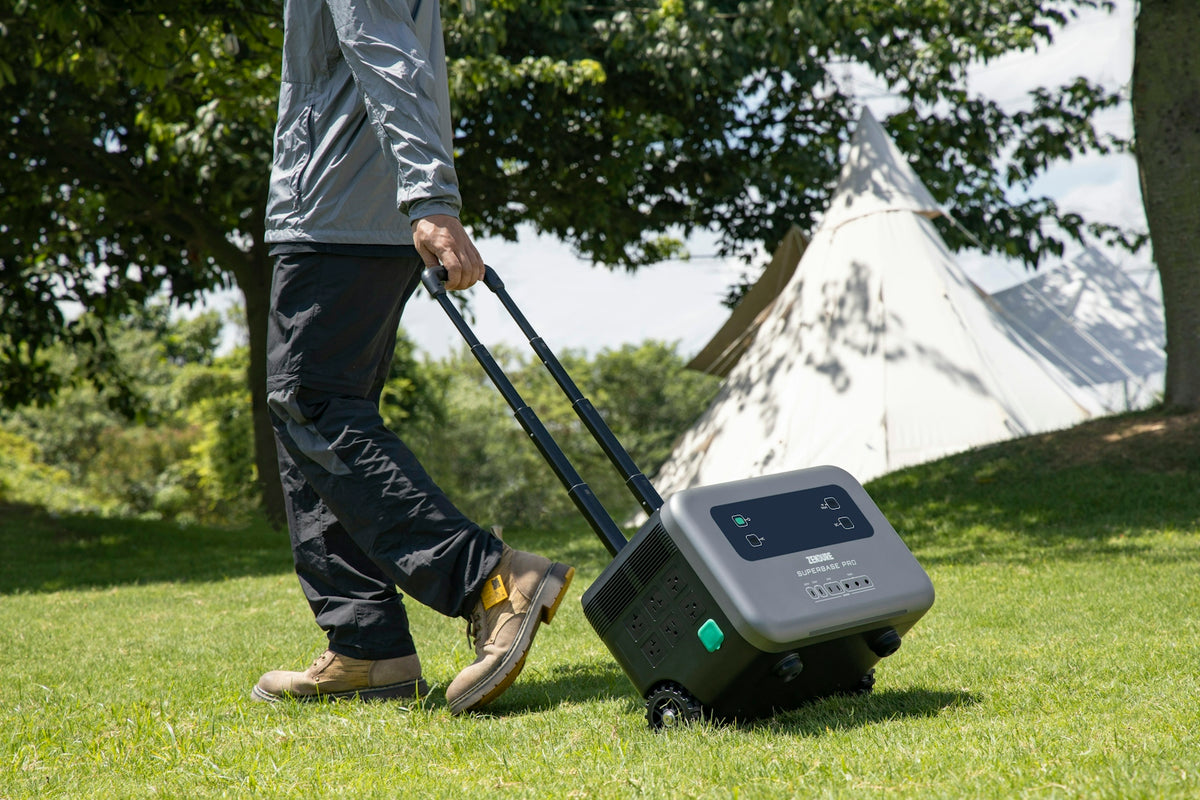
In the quest for reliable power, be it for home backup or RV adventures, many U.S. homeowners and camping enthusiasts are turning to portable power stations and generators. However, ensuring the safe charging and operation of these power sources is paramount. Whether it's an inverter generator, portable generator, home backup generator, RV generator, or quiet generator, understanding the nuances of safe practices can prolong the lifespan of your equipment and safeguard your home.
Table of Contents
- Table of Contents
- Understanding Portable Power Stations and Generators
- Key Safe Charging Practices
- Charge in a Well-Ventilated Area
- Use an Appropriate Power Source
- Avoid Overcharging
- Keep Away from Wet Conditions
- Maintain Clear Connections
- Exploring Fuel and Battery Generators Use Cases
- Home Backup Generators
- RV Generator Essentials
- Portable Generator for Campers
- Safety First: Futureproofing Your Power Supply
- Practical Takeaway
- FAQs
Understanding Portable Power Stations and Generators

Portable power stations, typically powered by LiFePO4 batteries, offer environmentally friendly energy solutions that rely on electrical charging. The generators can be categorized into two types:
- Fuel Generators: Operated using fossil fuels like gasoline, diesel, or propane. Models like the Erayak Tri-Fuel 6800W Inverter Generator and Erayak Dual-Fuel 6800W Inverter Generator offer versatile fueling options.
- Battery Power Stations: Utilizing rechargeable batteries for silent and emission-free operation, ideal for indoor usage and travel needs without continuous resource consumption.
Key Safe Charging Practices
Charging your portable power station correctly ensures its effectiveness and longevity. Here are critical practices to consider:
Charge in a Well-Ventilated Area
To prevent overheating, place your battery power station in a cool, dry place while charging. While fuel generators must operate outside at all times, battery stations need ventilation to avoid heat buildup.
Use an Appropriate Power Source
Charging stations with a recommended voltage rating are critical. For instance, charging a LiFePO4 battery should be with a compatible charger to prevent damage or shortened battery life.
Avoid Overcharging
Many modern power stations have integrated controls to stop overcharging. Regularly check your equipment and unplug when fully charged to preserve battery health.
Keep Away from Wet Conditions
Ensure your charging environment is dry, ideally inside. Moisture not only poses electrical hazards but can degrade battery components over time.
Maintain Clear Connections
Periodically inspect charging cables and ports for signs of wear or damage. Using damaged cables may increase the risk of short-circuits or inefficient charging.
Exploring Fuel and Battery Generators Use Cases
When choosing a generator for your specific needs, considering the intended application will guide your choice of equipment:
Home Backup Generators

A substantial 5,000–13,000W fuel generator, like the Erayak Dual-Fuel 6800W Inverter Generator, provides robust energy for essential home systems during power outages. Always operate these generators outdoors, adhering strictly to the manufacturer's guidelines and local safety regulations.
RV Generator Essentials

For RV users seeking a quiet generator to maintain comfort during camping, inverter generators serve best. Models such as the Erayak 4500W Dual-Fuel Inverter Generator allow flexibility and efficiency. Learn more about optimizing your RV power setup in the article Inverter Generators: Reliable Power for RV Adventures.
Portable Generator for Campers

Camping enthusiasts often prioritize quiet, portable generators. The Erayak 2400W Portable Inverter Generator balances portability and power, ensuring a peaceful camp environment. Discover more guidance in Choosing the Right Generator for Camping.
Safety First: Futureproofing Your Power Supply
Adopting safe charging and operational practices is essential for future-proofing your power supply:
- Keep abreast of technological advancements available via brand websites like Erayak Power.
- Opt for models with enhanced safety features suitable for expected usage environments.
- Educate yourself on the specifics of your generator type, whether it’s a quiet generator or otherwise.
Practical Takeaway
Choosing the right type and size of generator or power station tailored to your needs is the first step to a seamless power experience. By observing safe charging practices and operating within manufacturer guidance, you'll protect not only your investment but also your home's safety and efficiency.
Visit Erayak Power for more information on available products and to explore options that suit your requirements.
FAQs
What is a portable power station?
A portable power station is a compact, rechargeable battery unit that provides electrical power to charge various devices and appliances. They are ideal for camping, outdoor activities, or as backup power sources during emergencies.
How do I safely charge my portable power station?
Always use the manufacturer's recommended charging cables and adapters. Ensure the power station is placed in a well-ventilated area away from direct sunlight and water while charging. Avoid overcharging by disconnecting it once it reaches 100%.
Can I charge my power station while using it?
Most portable power stations allow for pass-through charging, meaning you can charge the unit while it's supplying power to other devices. However, it's essential to check the manufacturer's guidelines to ensure safety and optimal performance.
What should I do if my power station gets too hot while charging?
If your portable power station becomes excessively hot, immediately disconnect it from the power source and turn it off. Allow it to cool down before attempting to use or charge it again. If overheating persists, contact the manufacturer for support.
Is it safe to leave my power station plugged in overnight?
While many modern portable power stations have built-in safety features that prevent overcharging, it’s generally best not to leave them plugged in for extended periods unless specified by the manufacturer. Regularly monitoring the charging status is recommended.
Can rain or moisture damage my portable power station?
Yes, exposure to rain or moisture can damage your power station and create safety hazards. Always keep your portable power station dry and store it in a protected area, especially when outdoors.
How often should I charge my portable power station?
To maintain battery health, it's recommended to charge your portable power station every three to six months, even if you haven’t used it. This practice helps prevent deep discharge and extends the lifespan of the battery.
What safety precautions should I take while using my portable power station?
Avoid using your power station in enclosed spaces or near flammable materials. Always ensure that the devices you’re powering do not exceed the station's output capacity. Keep the station out of reach from children and pets for safety.
How do I properly store my portable power station when not in use?
Store your portable power station in a cool, dry place, away from direct sunlight and extreme temperatures. Ideally, keep it at a partial charge (around 50%) to maintain battery health during storage.
