

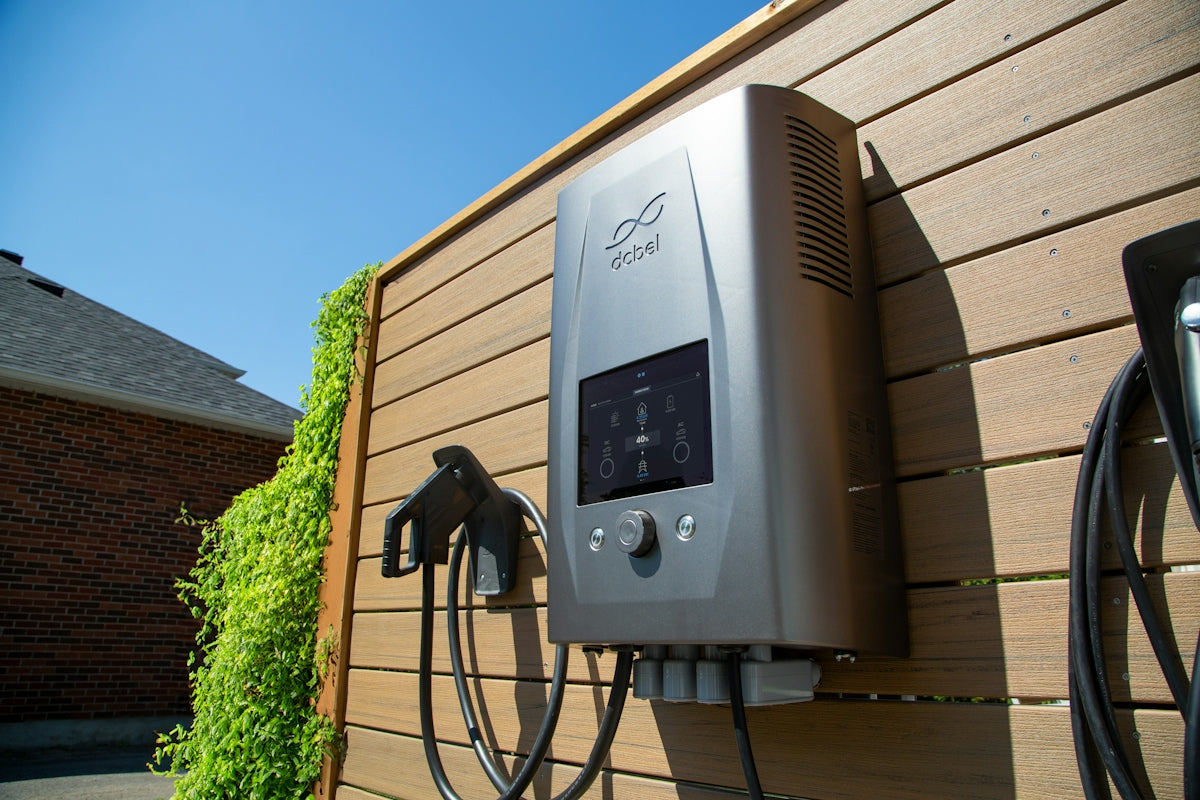
In today's world, ensuring you have a reliable power backup option is more critical than ever. A natural gas generator for home backup can offer peace of mind during unexpected power outages. However, selecting the right generator to suit your needs can be overwhelming. This guide will help you navigate the process, offering insights into different generator types, such as natural gas tri fuel generators and portable natural gas generators.
Understanding Your Home's Power Needs
Before diving into generator types, it’s essential to understand your home's specific power requirements. Consider the following:
- Essential Appliances: Identify which appliances and systems are crucial during an outage. Commonly, homeowners prefer to keep refrigerators, heating or cooling systems, and lighting operational.
- Total Power Requirement: Calculate the total wattage needed to power these essentials. This step will determine the capacity rating you need in a generator, which typically ranges from small portable units to larger standby systems.
Types of Natural Gas Generators
Natural Gas Tri Fuel Generators
Tri fuel generators are versatile as they can operate on natural gas, gasoline, or propane. This flexibility can be particularly advantageous during long-term power disruptions when a particular fuel type may not be readily available. To learn more about how these generators contribute to your home's future, check out The Rise of Natural Gas Tri Fuel Generators: What It Means for Your Home’s Future.
Recommended Product:

6800W Tri-Fuel 120V/240V Inverter Generator: This generator offers flexibility in fuel choices and sufficient power to keep essential home systems running smoothly.
Portable Natural Gas Generators
For those seeking convenience and mobility, a portable natural gas generator could be ideal. These units are known for their ease of transport and are perfect for smaller homes or mobile setups. If you are curious about common questions related to these generators, Frequently Asked Questions About Portable Natural Gas Generators Answered might be a valuable read.
Why Choose a Natural Gas Generator?
Opting for a natural gas generator for home backup comes with several benefits, including stable pricing and minimal emissions compared to other fuel sources. If you’re considering this option, Why Invest in a Natural Gas Generator for Home Backup? A Persuasive Overview provides a comprehensive guide to understanding the advantages.
Conclusion
Choosing the right natural gas generator for home backup requires understanding your power needs, exploring the types of generators available, and considering the benefits of a natural gas option. For more information and an extensive range of generators, visit ErayakPower.
Through careful selection and understanding your specific needs, you can ensure a reliable and effective power backup solution tailored for your home.
FAQs
What size natural gas generator do I need for my home?
The size of the generator you need depends on your home's power requirements. Consider the essential appliances and systems you want to power during an outage, then use a power calculator to determine the wattage needed. Generally, a generator with a capacity between 5,000 to 20,000 watts should suffice for most households.
How do I determine my home's power requirements?
You can determine your power requirements by listing the appliances you want to keep running during an outage and checking their wattage ratings. Add up the starting and running watts of each device; this will give you a clearer idea of the generator size that would be most suitable for your needs.
Is it better to choose a portable or standby natural gas generator?
It depends on your specific needs. Portable generators are typically more affordable and easier to store but require manual setup. Standby generators are permanently installed, can automatically start during an outage, and provide a seamless power supply, making them more convenient for larger homes or those with more extensive backup needs.
How much maintenance does a natural gas generator require?
Maintenance requirements vary by model, but generally, natural gas generators should be inspected and serviced at least once a year. Regular tasks include checking the oil and filters, testing the battery, and running the generator to ensure it's in working condition. Always consult the manufacturer’s guidelines for specific maintenance recommendations.
Are natural gas generators environmentally friendly?
Yes, natural gas generators are often considered more environmentally friendly compared to gasoline or diesel models. Natural gas produces fewer emissions, which can contribute to cleaner air and reduced greenhouse gases. Moreover, if your natural gas supply comes from sustainable sources, the environmental impact is further minimized.
Can I use a natural gas generator indoors?
No, natural gas generators should not be used indoors. Doing so can lead to dangerous carbon monoxide buildup, posing serious health risks. Always operate your generator in a well-ventilated area outdoors, away from windows and doors.
Do natural gas generators run continuously during an outage?
Yes, natural gas generators can run continuously as long as there is a supply of natural gas and sufficient maintenance is performed. This allows them to provide a reliable power source throughout an extended outage, unlike portable generators that may have limited fuel capacity.
What is the lifespan of a natural gas generator?
The lifespan of a natural gas generator can vary significantly based on usage, maintenance, and quality. On average, a well-maintained natural gas generator can last between 10 to 30 years. Regular service and protecting it from extreme weather conditions can help prolong its lifespan.
Are there any noise concerns with natural gas generators?
Noise levels can vary between models, but many natural gas generators are designed with sound-dampening features to minimize noise during operation. If noise is a significant concern, look for generators specifically rated for quiet operation or consider installing it further away from living areas.


