

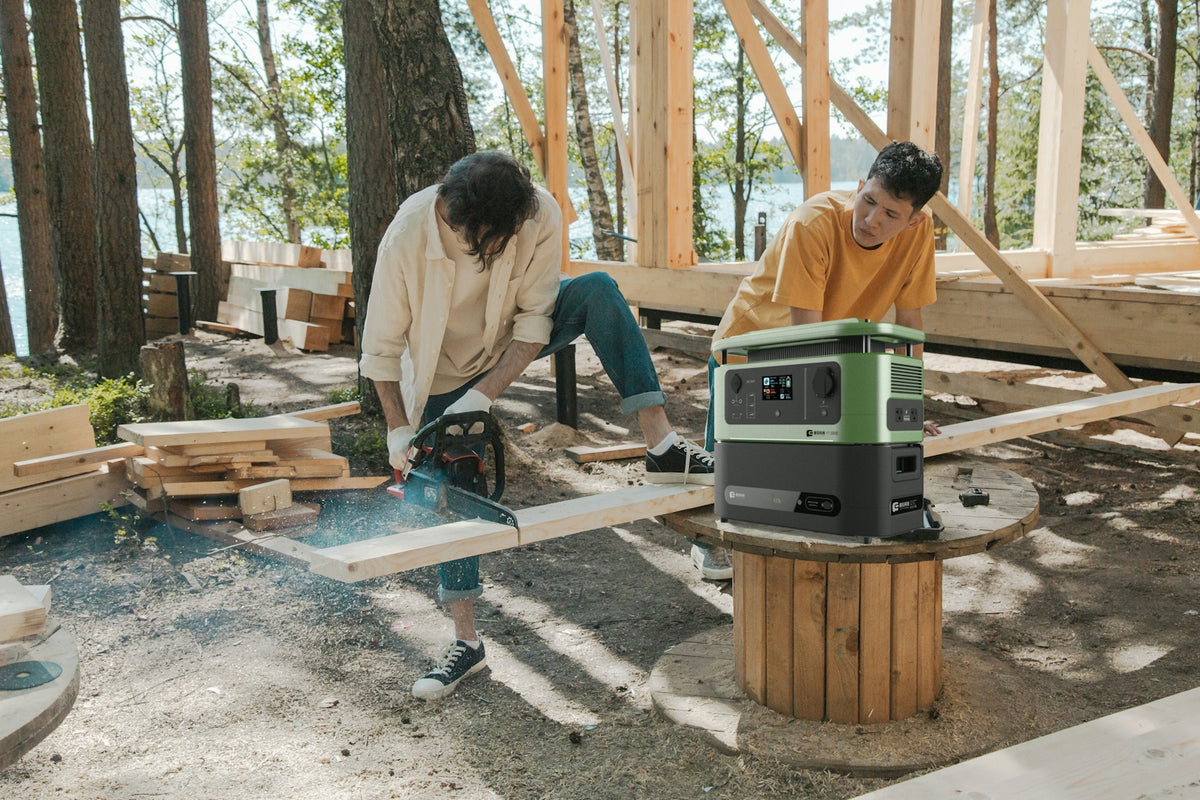
When it comes to securing reliable power during outages or when venturing into the great outdoors, an inverter generator is a top option for both homeowners and RV enthusiasts. Whether for home backup, camping trips, or road adventures, selecting the right generator can make all the difference. This comprehensive guide will explore the decision-making process for choosing the best inverter generator, whether powered by fuel or battery, to suit your specific needs.
Table of Contents
- Table of Contents
- Why Choose an Inverter Generator?
- Key Benefits of Inverter Generators:
- Understanding Your Power Needs
- Home Backup Generators: 5,000–13,000 Watts
- Portable Generators: 500–5,000 Watts
- Fuel-Based vs. Battery-Powered Generators
- Fuel-Powered Generators
- Battery-Powered Generators
- Factors to Consider When Choosing a Generator
- Power Output
- Fuel Type
- Runtime and Fuel Capacity
- Noise Level
- Portability
- Conclusion
- FAQs
Why Choose an Inverter Generator?
Inverter generators are renowned for their ability to provide a steady, clean power supply. This makes them ideal for sensitive electronics such as laptops and home appliances. Unlike traditional generators, they adjust the engine speed according to the power demand, offering improved fuel efficiency and reduced noise.
Key Benefits of Inverter Generators:
- Quiet Operation: As quieter generators, they are suitable for use in residential areas and campgrounds.
- Portable and Lightweight: Most models are compact, making transportation and storage easy.
- Efficiency: Consume less fuel while producing consistent energy.
- Versatility: Can power a range of devices, from small electronics to large home appliances.
Understanding Your Power Needs
Before purchasing a generator, it's important to consider your specific power needs. Whether you need a home backup generator or an RV generator, here's how you can determine the best option for you.
Home Backup Generators: 5,000–13,000 Watts

For home backup, generators with a power output of 5,000 to 13,000 watts are adequate for most households. These generators can power essential home systems such as heating and cooling, refrigerators, and lighting.
- Erayak Dual-Fuel 6800W Inverter Generator for RV Home Backup: Learn more
- Erayak Tri-Fuel 6800W Inverter Generator for RV Home Backup: Offers flexibility with tri-fuel options. Explore here
Portable Generators: 500–5,000 Watts

For more mobile uses, such as RVs or camping, consider portable generators in the 500 to 5,000-watt range. These generators are easier to move and are perfect for powering smaller appliances and rechargeable devices.
- ERAYAK 4500 Watt Inverter Generator for RV Camping | 4500P: Discover more
- Erayak Dual-Fuel 4500W Inverter Generator | 4500PDE: Dual-fuel capability offers flexibility between gas and LPG. View details
Fuel-Based vs. Battery-Powered Generators
When selecting a generator, one crucial decision is choosing between a traditional fuel-powered generator and a modern battery-powered station.
Fuel-Powered Generators
These generators run on gasoline, diesel, or LPG, providing high power output suitable for larger appliances and extended outages.
Important Considerations:
- Must be used outdoors to prevent carbon monoxide poisoning.
- Require regular maintenance and fuel management.
- They can run for extended periods, making them ideal for long-term power needs.
Battery-Powered Generators
Often referred to as power stations, these generators use rechargeable batteries like LiFePO4 and are perfect for indoor use and travel.
Advantages:
- Safe for Indoor Use: No risk of harmful emissions.
- Low Maintenance: Requires charging rather than fuel refills.
- Offers quieter operation compared to fuel generators.
For more on the advantages of battery-powered solutions, read LiFePO4 Power Station Benefits For Home Backup.
Factors to Consider When Choosing a Generator
Choosing the right generator involves understanding several key factors:
Power Output
Make sure the generator's wattage meets or exceeds your power needs. Calculate the total wattage for all devices you wish to operate simultaneously.
Fuel Type
Choose between single, dual, or tri-fuel options depending on fuel availability and convenience in your area.
Runtime and Fuel Capacity
Consider how long the generator can run on a full tank. Longer runtimes mean less frequent refueling.
Noise Level
For quiet generator operations, check the decibel ratings. Lower ratings are better for residential areas and campgrounds.
Portability
Look for generators with wheels and handles if you plan to transport them frequently.
Conclusion
Selecting the right inverter generator involves balancing your power requirements, preferred fuel type, and the intended use. Whether ensuring your home remains powered during an outage or providing energy on the go, there’s a model tailored to your needs. For a comprehensive exploration of the various models and their capacities, visit Erayak Power Products. Equip yourself with the right generator, and stay powered in any situation.
For more insights into emergency power solutions and comparing generator sizes, visit Comparing Home Backup Generators By Size And Runtime.
FAQs
What is an inverter generator?
An inverter generator is a type of generator that produces electricity through an inverter, allowing it to provide clean and stable power suitable for sensitive electronics such as laptops and smartphones. Unlike conventional generators, inverter generators are quieter, more efficient, and often more portable.
How do I determine the power needs of my home?
To determine your power needs, make a list of the appliances and devices you wish to power during an outage. Check their wattage ratings, usually found on a label or in the user manual. Add up the starting and running wattages, which will help you choose an inverter generator with the appropriate power output.
What features should I look for in an inverter generator for home backup?
Look for features such as sufficient wattage output, fuel efficiency, portability, quiet operation, and a convenient starting method. Additional features like multiple outlets, parallel capability (to connect with another generator), and low oil shut-off are also beneficial.
Is it safe to use an inverter generator indoors?
No, it is not safe to use an inverter generator indoors due to the risk of carbon monoxide poisoning. Always operate it in a well-ventilated, outdoor space away from windows and doors to ensure proper ventilation and safety.
What is the difference between running wattage and starting wattage?
Running wattage is the continuous power needed to keep an appliance or device operating, while starting wattage is the extra power required to start an appliance, especially those with motors (like refrigerators). When choosing an inverter generator, ensure its output meets both wattage requirements.
How long can an inverter generator run on a full tank of gas?
The runtime of an inverter generator on a full tank of gas varies based on its size, load, and efficiency. Most inverter generators can run anywhere from 4 to 12 hours on a full tank, depending on the load being powered.
Are inverter generators fuel-efficient?
Yes, inverter generators are typically more fuel-efficient than conventional generators because they adjust their engine speed to match the load, using less fuel when the demand is low. This feature not only saves fuel but also extends overall runtime.
Can I connect multiple inverter generators together?
Yes, many inverter generators are designed for parallel operation. By using a parallel kit, you can safely connect two or more generators to double your power output, giving you more flexibility when powering larger loads or multiple devices.
What type of maintenance does an inverter generator require?
Regular maintenance for an inverter generator includes checking and changing the oil, replacing the air filter, inspecting spark plugs, and ensuring fuel is fresh. Always refer to the manufacturer’s guidelines for specific maintenance requirements to keep your generator running smoothly.

