

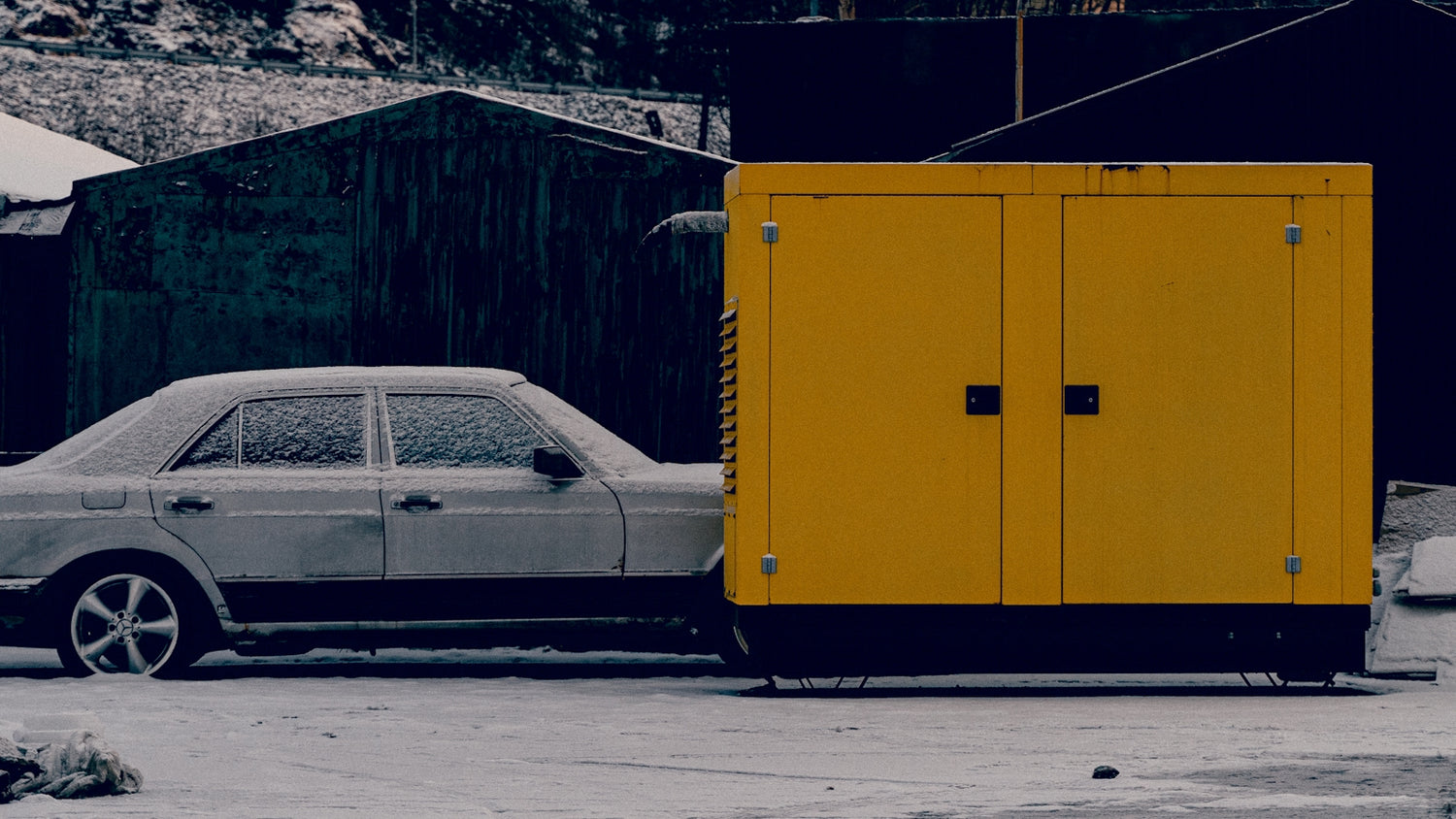
Power outages can disrupt our routines and bring significant discomfort and inconvenience to our homes. Whether due to storms, technical failures, or grid overloads, losing power impacts essential functions like lighting, heating, and cooling. This is where home backup generators step in, providing a reliable safety net during outages. In this blog post, we'll explore the benefits of using home backup generators, focusing on different types, including inverter generators and portable power stations.
Table of Contents
- Table of Contents
- Understanding Home Backup Generators
- Distinguishing Generators by Type
- Advantages of Home Backup Generators
- 1. Continuous Power Supply
- 2. Flexibility and Fuel Options
- 3. Portability and Versatility
- 4. Operational Quietness
- 5. Economic and Efficient
- How to Choose the Right Generator for Your Needs
- Comparison Table: Home vs. Portable Generators
- Safety Considerations
- Conclusion
- FAQs
Understanding Home Backup Generators
A home backup generator ensures that you have power when you need it the most. Ranging from 5,000W to 13,000W, these generators can power your entire home, keeping lights on and crucial appliances running. For those who enjoy outdoor adventures, smaller 500W to 5,000W LiFePO4 portable power stations offer a convenient power source for RVs and camping.
Distinguishing Generators by Type

Home generators come in two primary categories: fuel-powered generators and battery-powered stations.
- Fuel-Powered Generators: Typically using gas, propane, or diesel, these generators can deliver a high wattage output. The Erayak 4500W Dual-Fuel Inverter Generator and the Erayak Dual-Fuel 6800W Inverter Generator are excellent examples in this category. It's important to operate these generators outdoors, away from confined spaces, to prevent carbon monoxide hazards.
- Battery-Powered Stations: These portable options are ideal for smaller power needs or quieter applications, such as RV trips. They harness energy from rechargeable batteries, making them eco-friendly and often quieter.
Advantages of Home Backup Generators
1. Continuous Power Supply

The primary benefit of a home backup generator is uninterrupted power. This continuity is vital during extended outages, ensuring your refrigeration, HVAC system, and medical equipment remain operational. For comprehensive power, consider the Erayak Tri-Fuel 6800W Inverter Generator.
2. Flexibility and Fuel Options
Many modern generators, such as the ones offered by Erayak, provide dual or tri-fuel options, allowing users flexibility in fuel choice. This adaptability is essential during fuel shortages, increasing the reliability of your power source.
3. Portability and Versatility

Portable generators, like the ERAYAK 4500 Watt Inverter Generator for RV Camping, are designed with mobility in mind. They're lightweight and convenient for transport, making them a perfect choice for RV and camping enthusiasts. You can learn more about such options in the article Portable Inverter Generators For Emergencies And Trips.
4. Operational Quietness

Noise can be a significant concern with generators. However, quiet generators, particularly inverter types, run with minimal noise, enhancing comfort and making them suitable for residential areas. Using an inverter generator such as the Erayak 2400W Portable Inverter Generator ensures that your equipment won't disturb the peace of your neighborhood.
5. Economic and Efficient
Purchasing a home backup generator is a practical investment. Over time, it can prevent losses from spoiled food or water damage in the case of sump pump failure. Additionally, inverter and portable generators often consume less fuel due to improved efficiency, saving you money in the long run.
How to Choose the Right Generator for Your Needs
Choosing the right generator involves assessing your power requirements and preferences for fuel type and portability. For detailed guidance, refer to the blog Choosing an Inverter Generator for Home Backup.
Comparison Table: Home vs. Portable Generators
To help plan your generator purchase, here's a brief comparison:
| Aspect | Home Backup Generators | Portable Power Stations |
|---|---|---|
| Power Output | 5,000W - 13,000W | 500W - 5,000W |
| Fuel Options | Gas, Propane, Dual/Triple Fuel | Electric/Battery |
| Portability | Fixed/Heavy | Lightweight/Carriable |
| Noise Level | Moderate to Loud | Quiet |
| Applications | Whole Home, Essential Systems | RVs, Camping, Small Devices |
Safety Considerations
Always operate fuel generators outdoors—not indoors—following all safety guidelines. This prevents dangerous situations such as carbon monoxide poisoning or fire hazards. Ensure proper installation and regular maintenance to keep your generator in top condition.
Conclusion
Home backup generators and portable power stations are invaluable tools for maintaining power during unexpected outages. Understanding your specific needs and the types of generators available will ensure that you choose the most appropriate option. For more information and resources on home backup generators, visit Erayak Power.
Choosing the right backup power solution can provide peace of mind, whether at your home or on an adventure. Equipped with the right generator, you can face outages with confidence, ensuring that your life continues smoothly no matter what.
FAQs
What is a home backup generator?
A home backup generator is a device that provides electrical power to your home during a power outage. It automatically kicks in when the main power supply fails, ensuring that essential appliances and systems continue to function.
How does a backup generator work?
When the power goes out, the backup generator detects the loss of electricity and starts running. It typically runs on gasoline, propane, or natural gas, and it connects to your home’s electrical system to provide power to designated circuits.
What are the advantages of having a backup generator?
The primary advantages include uninterrupted power supply during outages, protection of essential appliances, increased safety by supplying power to lights and heating or cooling systems, and peace of mind knowing you are prepared for emergencies.
How long can a backup generator run?
The runtime of a backup generator depends on the fuel source and the load it’s supporting. Portable generators may run for several hours on a tank of gas, while standby generators can run longer if connected to a natural gas line or have adequate fuel supply.
What appliances can I power with a backup generator?
You can power essential items such as refrigerators, freezers, heating and cooling systems, lights, and medical equipment. The specific items you can run will depend on the generator's capacity and your power needs.
Are backup generators noisy?
Some backup generators, especially portable models, can be quite loud. However, standby generators are usually quieter, and many owners choose to install them away from living areas to minimize noise disruptions during operation.
Is installation of a backup generator complicated?
Installation can vary in complexity based on the type of generator. Portable generators require less installation, while standby generators might need professional installation to properly connect to your home’s electrical system and ensure safety.
Do I need a permit for my backup generator?
Permit requirements depend on local building codes and regulations. It is advisable to check with your local authority to determine if a permit is needed for installation, especially for permanently installed standby generators.
What maintenance is required for a backup generator?
Regular maintenance includes checking and changing the oil, replacing air filters, testing the battery, and running the generator periodically to ensure proper operation. Following the manufacturer's guidelines helps ensure reliability when you need it most.
Can I use a backup generator for recreational purposes?
Yes, a portable backup generator can also be used for recreational activities such as camping or tailgating. Just be sure to follow safety guidelines and only use it in well-ventilated areas to avoid carbon monoxide buildup.


