

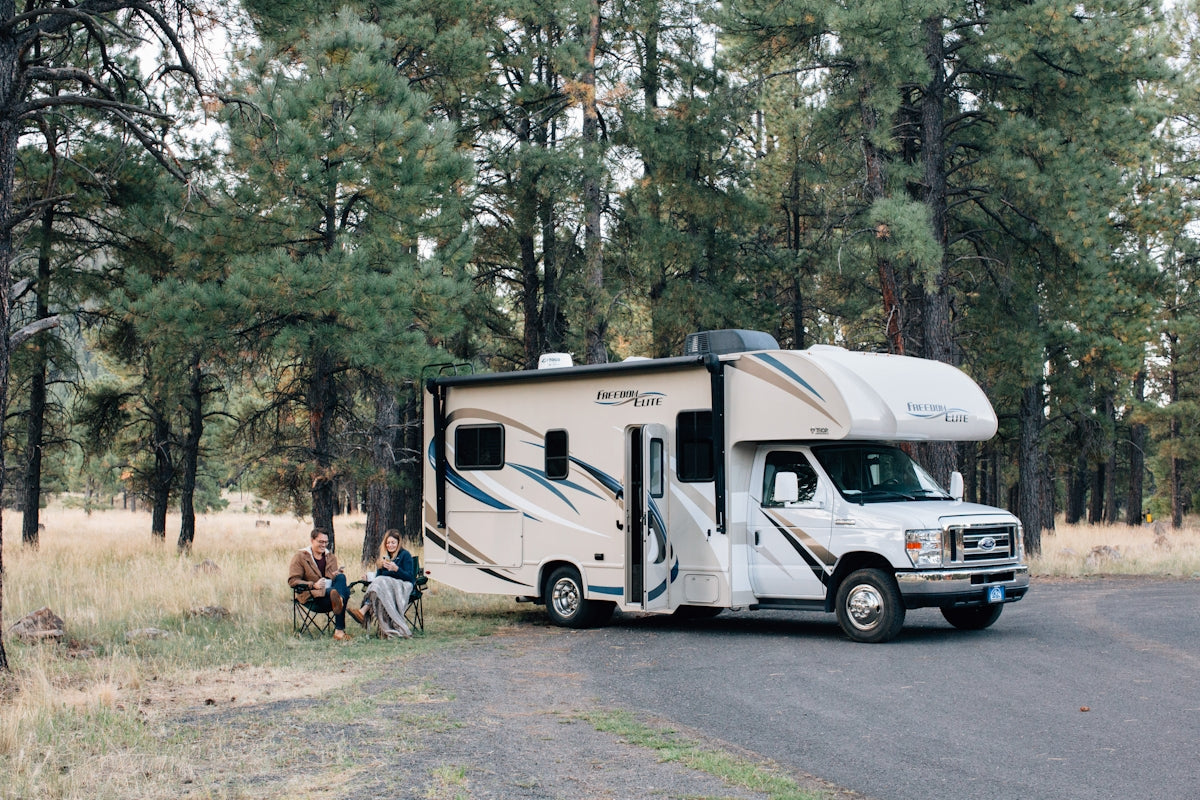
When embarking on an RV adventure, having a reliable generator is essential for ensuring that all your modern conveniences come along with you. But with so many options on the market, how do you choose the best RV generator to fit your needs? In this guide, we'll take you through the essential factors to consider, plus highlight some of the top-tier options from Erayak to help you make the most informed decision.
Table of Contents
- Table of Contents
- Key Factors to Consider
- 1. Power Output
- 2. Fuel Type
- 3. Portability
- 4. Noise Level
- 5. Inverter Technology
- Conclusion
- FAQs
Key Factors to Consider
1. Power Output
 The power output of a generator, measured in watts, determines what appliances and electronics you can run simultaneously. For most RVs, a generator that produces between 2,000 and 5,000 watts is sufficient. Consider the Erayak 2400W Portable Inverter Generator 2400P if you need a compact, powerful solution for basic needs. For more substantial power demands, the Erayak 4500W Inverter Generator for RV Camping (4500P) is a fantastic choice, offering enough power to support multiple appliances.
2. Fuel Type
 Consider what type of fuel you prefer or have easy access to. Traditional generators use gasoline, but dual-fuel generators offer the flexibility of also running on propane. Erayak's 4500W Dual-Fuel Inverter Generator (4500PDM) provides this flexibility, making it a versatile option for any RV owner. For those seeking even more versatility, the Erayak Tri-Fuel 6800W Inverter Generator allows the use of gasoline, propane, and natural gas.
3. Portability
When you’re on the road, portability is a concern. You want a generator that is lightweight and easy to move, especially if you'll be using it outside your RV. The Erayak 2400W Portable Inverter Generator is designed to be portable, making it ideal for RV enthusiasts constantly on the go.
4. Noise Level
 Nobody likes a loud, disruptive generator, especially when you're trying to enjoy the peace of nature. Inverter generators are known for being quieter, and Erayak’s models are no exception. The Erayak 4500PDE Dual-Fuel Inverter Generator combines quiet operation with power and versatility.
5. Inverter Technology
Inverter generators are often preferred for their clean power output, making them suitable for sensitive electronics. They adjust the engine speed based on the current load, improving fuel efficiency and reducing noise levels. Explore Erayak's full range of inverter generators in their Inverter Generators Collection for an option that meets your requirements.
Conclusion
Choosing the right RV generator involves balancing power needs, fuel preferences, portability, noise levels, and whether or not you need inverter technology. Erayak offers a wide range of options that cater to different needs, ensuring you'll find the perfect fit for your RV lifestyle. Visit Erayak Power to explore these exceptional generators and power your adventures with confidence.
FAQs
What is the difference between an inverter generator and a conventional generator?
Inverter generators provide cleaner and more stable power, making them suitable for sensitive electronics. They are generally quieter and more fuel-efficient than conventional generators, which are often more powerful but can produce dirty power and are noisier.
How do I determine the wattage needs for my RV?
To determine your wattage needs, list all the appliances and devices you plan to use in your RV and check their power requirements, usually found on their labels. Add up the starting and running wattages to find the total wattage you’ll need from a generator.
Are there generators specifically designed for RVs?
Yes, many manufacturers offer generators specifically tailored for RV use. These RV generators are designed to be portable, often have features suited for RV power systems, and some include built-in transfer switches for easy hookup.
Can I run my RV air conditioner on a generator?
Yes, but you need to ensure that the generator can handle the starting wattage required by the air conditioner, which is typically higher than its running wattage. Check your air conditioner's specifications and choose a generator that meets or exceeds that requirement.
What are some factors to consider when choosing a generator for my RV?
Consider the generator’s wattage output, portability, noise level, fuel type, run time, and runtime at full load. It’s also important to look for features like ease of use, safety features, and the warranty offered by the manufacturer.
Is it safe to run a generator inside my RV?
No, it is not safe to run a generator inside your RV due to the risk of carbon monoxide poisoning. Always use generators outdoors in well-ventilated areas, away from windows and vents.
How do I maintain my RV generator for optimal performance?
Regular maintenance includes checking the oil level, changing the oil and air filter, inspecting the fuel system, and running the generator periodically to keep it in good working order. Always consult the manufacturer's manual for specific maintenance guidelines.
What fuel types are available for RV generators?
RV generators typically run on gasoline, propane, or diesel. The best fuel type for you will depend on your preferences, availability, and how long you plan to use the generator. Each type has its pros and cons related to efficiency, cost, and storage.
Can I connect multiple generators to increase power output?
Yes, many modern generators support parallel connections, allowing you to connect two or more units to increase power output. Check the manufacturer's guidelines to ensure compatibility and that you have the appropriate cables for this setup.
