

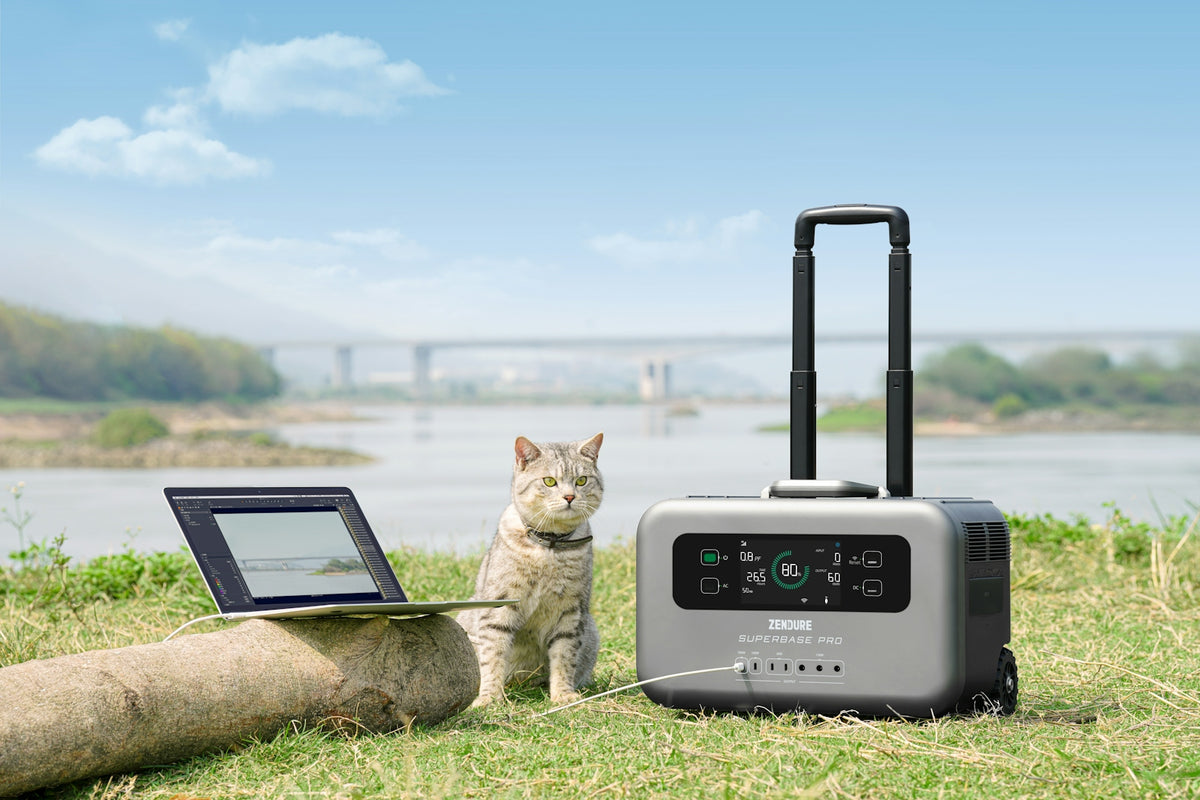
Finding the right generator, whether for home backup or on-the-go power during RV trips, can be quite the task. Two crucial aspects to consider when selecting a generator are its run time and efficiency. This blog post will explore the factors impacting these elements, focusing on both inverter generators and lithium-iron-phosphate (LiFePO4) portable power stations. We'll highlight some options for U.S. homeowners and RV/camping enthusiasts from Erayak's lineup, such as the Erayak Dual-Fuel 4500W Inverter Generator | 4500PDE.
Table of Contents
- Table of Contents
- Key Factors Impacting Generator Run Time and Efficiency
- 1. Type of Fuel Source
- 2. Load Capacity and Usage
- 3. Inverter Technologies
- 4. Environmental Conditions
- 5. Maintenance Practices
- Generator Options for Homeowners and RV Enthusiasts
- For Homeowners
- For RV and Camping Enthusiasts
- Conclusion
- FAQs
Key Factors Impacting Generator Run Time and Efficiency
Before diving into specifics, let's establish the primary factors affecting a generator's performance:
1. Type of Fuel Source

Fuel type directly impacts a generator's efficiency and run time. Traditional fuel generators often use:
- Gasoline: Widely available and typically more affordable, but it can lead to shorter run times and require frequent refueling.
- Propane: Offers cleaner burning and longer shelf life but can be less efficient per unit energy.
- Dual-Fuel and Tri-Fuel Options: Models like the Erayak Tri-Fuel 6800W Inverter Generator offer flexibility by allowing users to switch between gasoline and propane to optimize run time.
For those seeking alternatives to fuel, LiFePO4 portable power stations can be a more environmentally friendly option, thanks to their ability to recharge from renewable sources like solar panels.
2. Load Capacity and Usage

The load you put on a generator significantly affects its run time:
- High Load Use: Running a generator at full capacity reduces efficiency and shortens run times. For these cases, consider a model with higher wattage capacity, like the Erayak Dual-Fuel 6800W Inverter Generator.
- Optimal Load Use: Aim for 50 to 75% load, which generally balances efficiency and longevity.
3. Inverter Technologies

Inverter generators offer enhanced efficiency by adjusting engine speed to match the required load, minimizing excess fuel use. This leads to quieter operation, often found in units marketed as quiet generators. For example, the Erayak 2400W Portable Inverter Generator | 2400P is designed to be both efficient and compact, making it ideal for camping.
4. Environmental Conditions
Operating conditions such as temperature and altitude can also affect generator efficiency. At higher altitudes, engines can lose power due to decreased oxygen levels, reducing efficiency. Similarly, extreme temperatures, both hot and cold, can influence engine performance and fuel consumption.
5. Maintenance Practices
Regular maintenance can significantly impact both run time and efficiency. Routine checks and services to keep the generator in prime condition include:
- Oil Changes: Ensure regular oil changes per manufacturer recommendations.
- Air Filter Cleaning: Keep filters clean to maintain airflow and engine performance.
- Scheduled Tune-Ups: Addressing minor operational issues can prevent major performance setbacks.
Check out our guide on Choosing a Portable Generator for Quick Outage Recovery for more tips on maintenance and selection.
Generator Options for Homeowners and RV Enthusiasts
When selecting a generator, it’s important to consider your specific situation and needs. Below, we've highlighted some popular choices for both home and RV users:
For Homeowners
- Erayak Dual-Fuel 4500W Inverter Generator | 4500PDE: Ideal for emergencies, this generator offers dual-fuel capabilities and is robust enough for most household appliances.
- Erayak Tri-Fuel 6800W Inverter Generator: For those needing more power, this option provides flexibility and higher wattage, making it suitable for comprehensive home backup systems.
For RV and Camping Enthusiasts
- Erayak 2400W Portable Inverter Generator | 2400P: A lighter, quieter option perfect for camping trips with less power-intensive needs.
- ERAYAK 4500 Watt Inverter Generator for RV Camping | 4500P: A balance of power and portability, perfect for RVs where space and quiet operation are crucial.
For more insights on RV power needs, check out how an RV Generator Enhances Your Travels.
Conclusion
Selecting a generator involves understanding the interplay between its run time and efficiency, as well as matching those elements to your specific power needs. Whether you're preparing for emergencies at home or planning an RV adventure, the right choice involves careful consideration of fuel types, load capacities, and innovative technologies like inverter systems.
Ensure safety and optimal performance by adhering to proper maintenance routines and operating guidelines. Always use generators outdoors, far from potential indoor contamination. With busy lifestyles and unpredictable elements, investing in a generator such as those offered by Erayak could be the key to seamless, reliable power solutions tailored to your needs.
FAQs
What factors affect the runtime of a generator?
The runtime of a generator is influenced by several factors including the fuel type, fuel capacity, load demand, the generator's efficiency, and environmental conditions such as temperature and humidity.
How does load demand impact generator efficiency?
Load demand refers to the amount of electricity being drawn from the generator. Operating a generator at its rated capacity usually maximizes efficiency, while running it at too low or too high of a load can lead to increased fuel consumption and wear.
Can the type of fuel used alter the efficiency of a generator?
Yes, different types of fuel, such as gasoline, diesel, or propane, have varying energy densities and combustion efficiencies. Choosing the right fuel type for your generator can significantly impact both runtime and overall efficiency.
Why is maintenance important for generator performance?
Regular maintenance ensures that all components, such as filters, oil, and spark plugs, are in good condition, enabling the generator to run efficiently and effectively, which ultimately prolongs its runtime.
How does altitude affect a generator's efficiency?
High altitudes can reduce the oxygen available for combustion, which may lead to incomplete fuel combustion and reduced efficiency. Generators may require adjustments or different configurations when used at high elevations.
What role does the environment play in generator performance?
Environmental factors like temperature and humidity can affect a generator's operation. Extreme heat may lead to overheating, while excessive moisture can cause performance issues, ultimately impacting efficiency and runtime.
Does the generator's age influence its efficiency?
Yes, older generators may experience wear and tear on components, leading to decreased efficiency. Newer models often benefit from improved engineering and technology that enhances performance and runtime.
How can I optimize my generator's runtime?
To optimize runtime, regularly maintain your generator, choose the correct fuel type, avoid overloading, and store it in an environment that minimizes exposure to extreme weather elements.
Are there any technological advancements that help improve generator efficiency?
Yes, modern generators often feature advanced technologies like inverter systems, which provide cleaner energy, load management systems that adjust power output, and automatic start/stop functions that enhance overall efficiency and runtime.
