

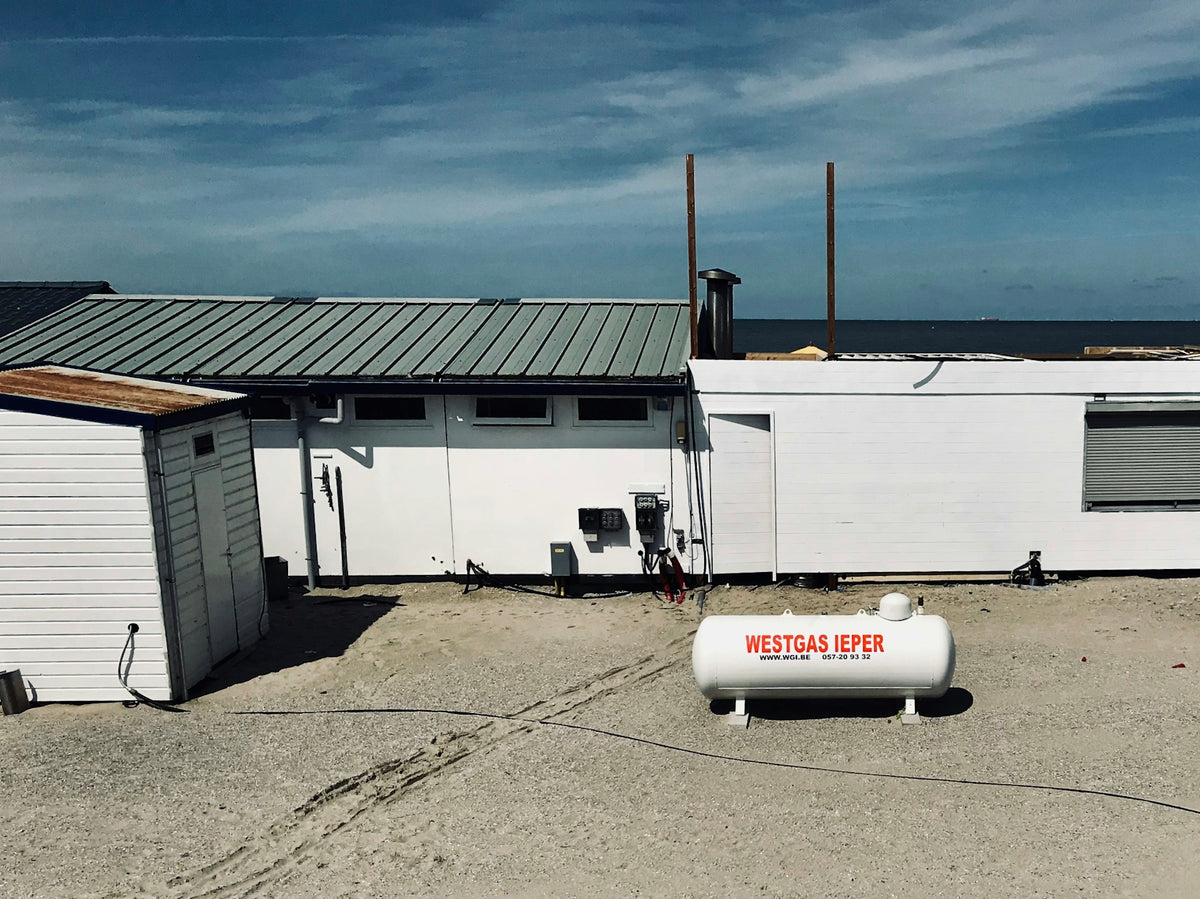
When it comes to backup power solutions, a propane generator can offer an impressive balance of efficiency, environmental friendliness, and reliability. But, like any power source, understanding how to extend its fuel efficiency is critical, whether you're a homeowner preparing for emergencies, an RV enthusiast, or an avid camper. In this post, we'll explore practical tips to optimize your propane generator's runtime and discuss how it compares to other generator types like gas and natural gas generators, as well as dual fuel and tri fuel generators. This guide will empower you to make informed decisions for your specific power needs.
Table of Contents
- Table of Contents
- Why Choose a Propane Generator?
- Advantages of Propane Over Gasoline
- Learn More About Generator Fuel Efficiency
- Tips for Extending Propane Generator Runtime
- Optimize Your Load
- Regular Maintenance
- Invest in A Quality Dual or Tri Fuel Generator
- Comparing Generator Types: Dual Fuel vs. Tri Fuel
- Dual Fuel Generators
- Tri Fuel Generators
- Safety Considerations for Propane Generators
- Conclusion
- FAQs
Why Choose a Propane Generator?
A propane generator is a popular choice for its clean-burning properties, easier storage, and longer shelf life compared to gasoline. Additionally, propane is less likely to gum up carburetors, making it a low-maintenance option. For emergency situations, propane’s indefinite shelf life can be a game-changer, unlike gasoline, which requires stabilizers for long-term storage.
Advantages of Propane Over Gasoline
- Eco-Friendliness: Propane burns cleaner, reducing carbon footprint.
- Storage Stability: Propane does not degrade over time.
- Maintenance: Less likely to cause carburetor issues.
Learn More About Generator Fuel Efficiency
For an in-depth comparison, read our article on Choosing Between a Gas Generator and a Propane Generator: Which Offers Better Fuel Efficiency.
Tips for Extending Propane Generator Runtime
Extending the runtime of your propane generator can help you make the most out of your fuel. Here are some practical strategies:
Optimize Your Load
- Prioritize Essential Appliances: Start by running only critical appliances and gradually add other devices.
- Use Energy-Efficient Devices: Opt for LED lighting and Energy Star appliances to reduce power demand.
Regular Maintenance
- Engine Inspections: Regularly check oil levels and air filters. A well-maintained engine runs more efficiently.
- Fuel System Checks: Ensure there are no leaks or blockages in the fuel line.
Invest in A Quality Dual or Tri Fuel Generator
By choosing a dual fuel or tri fuel generator, like those available at Dual/Tri Fuel Generators, you can switch between fuel types based on availability, potentially extending your generator's runtime and flexibility.
Comparing Generator Types: Dual Fuel vs. Tri Fuel
When considering your generator options, it's important to understand the differences in capability between dual fuel and tri fuel generators.
Dual Fuel Generators

- Fuel Flexibility: Operate on propane or gasoline, providing options based on availability and cost.
- Example: The Erayak Dual-Fuel 4500W Inverter Generator | 4500PDE offers a balance of power and versatility for home or RV backup.
Tri Fuel Generators

- Extended Fuel Options: Capable of running on propane, gasoline, or natural gas, offering unparalleled flexibility.
- Example: The Erayak Tri-Fuel 6800W Inverter Generator for RV Home Backup | 6800PT is ideal for those needing multiple fuel options during power outages.
For more insights, explore our discussion on whether a tri fuel generator is the ultimate solution for fuel flexibility in Is Tri Fuel Generator the Ultimate Solution for Fuel Flexibility?.
Safety Considerations for Propane Generators
Ensuring safety is paramount when operating any generator. Follow these essential safety tips:
- Proper Ventilation: Operate the generator outdoors or in a well-ventilated area to prevent carbon monoxide buildup.
- Routine Inspections: Regularly check for gas leaks and secure connections.
- Fire Safety: Keep flammable materials away from your generator and store fuel in approved containers.
Conclusion
Selecting the right generator and maintaining it properly can dramatically enhance its efficiency and effectiveness. Whether considering a propane generator for its maintenance ease and stability or a dual/tri fuel generator for flexible fuel options, the goal is to ensure reliability and peace of mind during power outages or outdoor adventures. For a comprehensive view of your options, don’t forget to visit the Dual/Tri Fuel Generators Collection.
Explore more about the best fuel options for emergency generators at Best Fuel for Emergency Generator: Navigating Your Options.
Finally, please visit Erayak Power for more information on selecting the ideal generator for your needs.
FAQs
How does a propane generator work?
Propane generators convert the chemical energy in propane into electrical energy through an internal combustion engine. When propane is ignited within the engine, it powers pistons that ultimately generate electricity.
What factors affect the runtime of a propane generator?
Several factors can influence the runtime of a propane generator, including the load it is powering, the size of the propane tank, the efficiency of the generator, and environmental conditions such as temperature and altitude.
How can I improve the fuel efficiency of my propane generator?
To enhance fuel efficiency, consider performing regular maintenance, using high-quality propane, keeping the generator clean, and operating it at optimum loads rather than under excessive load or idly running.
Is there a way to calculate how long my propane generator will run?
Yes, you can estimate the runtime by dividing the total number of BTUs in your propane tank by the BTUs per hour your generator consumes at the load you plan to use. This will give you a rough idea of how long you can expect it to run.
What maintenance tips are essential for extending propane generator runtime?
Regular maintenance such as changing the oil, replacing air filters, inspecting spark plugs, and checking the fuel lines can significantly improve fuel efficiency and overall performance, extending the runtime of your generator.
How often should I refill my propane tank for optimal use?
Refilling your propane tank should be done based on your generator's usage patterns. It’s wise to check fuel levels regularly and refill before it reaches a critically low level to ensure uninterrupted operation.
Can I use my propane generator in cold weather?
Yes, propane generators can be used in cold weather, but fuel efficiency may decrease. To maintain optimal performance, consider using a winter-grade propane mixture and sheltering the generator from extreme cold.
What safety precautions should I take when using a propane generator?
Always operate the generator outdoors, away from windows and doors to prevent carbon monoxide buildup. Ensure the area is well-ventilated, and keep the generator away from flammable materials. Regularly inspect for gas leaks and ensure proper maintenance.
Are there any signs that my propane generator is not running efficiently?
Signs of inefficiency in your propane generator can include reduced runtime, unusual noises, frequent stalling, or an increase in fuel consumption. If you notice these indicators, it may be time for maintenance or repair.
