

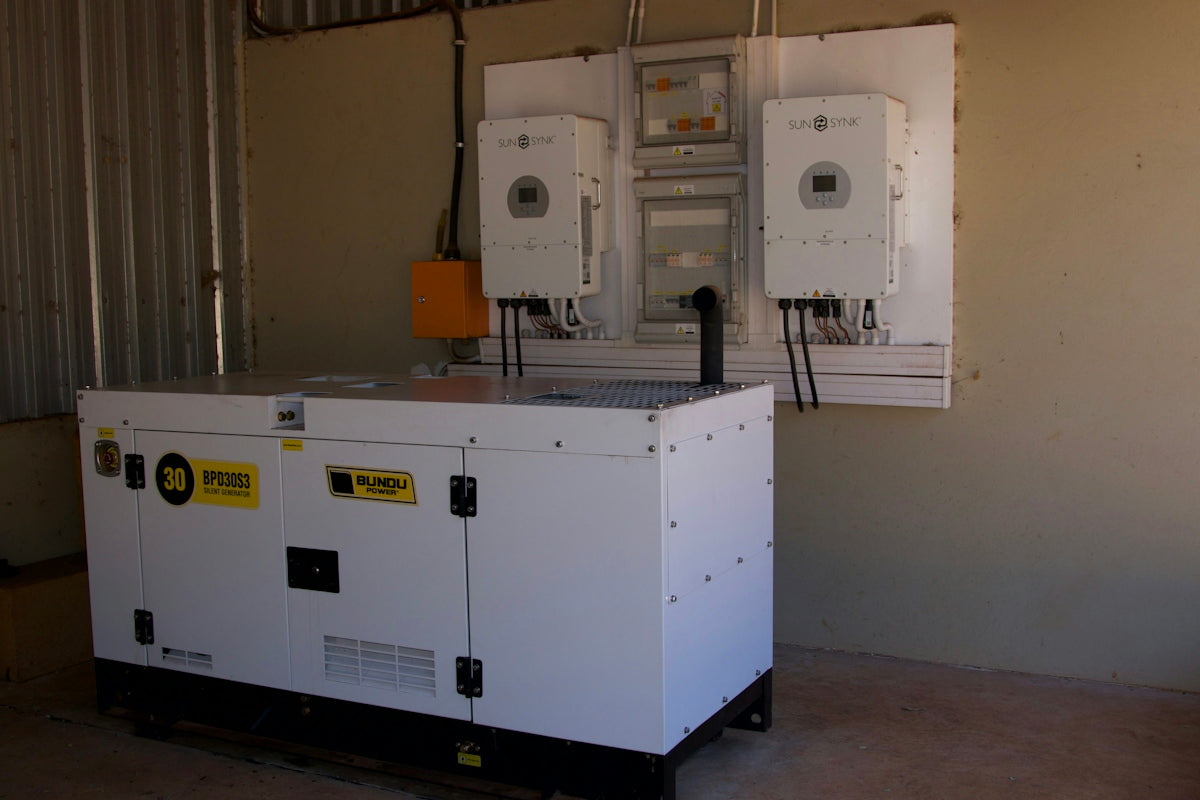
In today's world, where the reliability of power supply can sometimes be uncertain, having a home backup generator is a sensible approach to ensure that life continues smoothly even during a power outage. The choice of the right generator depends on various factors like your specific power needs, budget, and fuel preferences. This blog post will guide you through selecting the ideal power outage generator to keep your household running efficiently.
Table of Contents
- Table of Contents
- Understanding Your Power Needs
- Types of Generators
- Portable Generators
- Inverter Generators
- Fuel Considerations
- Tri-Fuel Options
- Installation and Safety
- Professional Installation
- Safety Precautions
- Price Considerations
- Conclusion
- FAQs
Understanding Your Power Needs
The first step in choosing a home backup generator is understanding your power requirements. Consider the critical appliances and systems in your home that need power during an outage. These may include your refrigerator, air conditioning unit, heating systems, lighting, and any medical equipment. A generator for refrigerator/AC will need to support these essentials depending on their power ratings in watts.
Your total power needs will help determine the size of the generator you require. It's crucial to note the difference between running watts, which is the continuous power needed to operate an appliance, and starting watts, which is the additional power needed for about 5-10 seconds to start an appliance with a motor, like a refrigerator or air conditioner.
Types of Generators
Portable Generators
Portable generators are versatile and can be moved to different locations as needed. These are suitable for temporary use and can power several appliances simultaneously. If you're looking for an option that provides flexibility and sufficient power for appliances like refrigerator and AC units, consider the Erayak Tri-Fuel 6800W Inverter Generator for RV Home Backup | 6800PT. This generator offers tri-fuel options and outputs of 120V/240V, making it a reliable choice for various power needs.
Inverter Generators
Inverter generators provide a clean and stable power output, which is essential for sensitive electronics. They are generally quieter and more fuel-efficient compared to conventional generators. The Erayak 2400W Portable Inverter Generator | 2400P is an excellent choice for smaller power requirements and is a suitable option for camping or tailgating. However, if you require more substantial power, the ERAYAK 9500W Inverter Generator for Home & Commercial Use can handle larger loads and provide enough energy to power several home appliances simultaneously.
For more options, visit the Erayak Inverter Generators Collection for a range of choices tailored to diverse needs.
Fuel Considerations
The choice of fuel can play a vital role in operational costs and convenience. Generators run on gasoline, diesel, propane, or natural gas. Tri-fuel generators offer the advantage of flexibility as they can operate using any of the three different fuels.
Tri-Fuel Options
Tri-fuel generators provide the most flexibility and reliability during prolonged outages, as you are not limited to one type of fuel. If natural gas supply is available at your home, for instance, a tri-fuel generator can tap into that supply to offer extended power without the need for constant refueling. The Erayak Tri-Fuel 6800W Inverter Generator for RV Home Backup | 6800PT again stands out here as its tri-fuel capability means you can conveniently switch between fuel types depending on availability and cost.
For those interested, explore our Dual/Tri Fuel Generators Collection for more versatile power solutions.
Installation and Safety
When installing a home backup generator, it is crucial to follow all safety and installation guidelines. Improper installation can lead to dangerous situations like carbon monoxide poisoning, electrical shock, or fires.
Professional Installation
It is always recommended to have a licensed electrician handle the installation. This ensures that your generator is correctly connected to your home's electrical system and can operate safely and efficiently. An installed transfer switch or interlock device is generally required for connecting a backup generator to your household wiring safely.
Safety Precautions
- Generators should only be operated outdoors in well-ventilated areas to avoid carbon monoxide buildup.
- Keep the generator dry to prevent electrocution risks.
- Regularly maintain your generator to ensure it’s operational when you need it.
Price Considerations
The cost of a home backup generator will vary depending on the power capacity, brand, and additional features like remote start, noise reduction, or advanced voltage regulation. While it might be tempting to go for the least expensive option, investing in a reliable generator like the ERAYAK 4500 Watt Inverter Generator for RV Camping | 4500P might offer better value in the long-run due to reliability and enhanced features.
Conclusion
Selecting the proper home backup generator depends significantly on understanding your household's power requirements, your fuel preference, and budget. With this knowledge, you can evaluate various options to identify the best backup solution for your home.
For more detailed insights and additional product choices, we invite you to explore Erayak Power. Whether you require a portable, inverter, or a dual/tri-fuel generator, Erayak has reliable, cutting-edge solutions tailored to meet your backup power needs effectively.
FAQs
What is a home backup generator?A home backup generator is a device that provides electrical power to your home during an outage, ensuring that essential appliances and systems remain operational.
How do I determine the wattage needs for my generator?To determine your wattage needs, add up the wattage of all the appliances and systems you wish to power during an outage. Consider starting wattage for appliances that require more power to start than to run.
What fuel types are available for home backup generators?Common fuel types for home backup generators include gasoline, diesel, propane, and natural gas. Choose a fuel type based on availability, storage considerations, and your personal preference.
Should I choose a portable or standby generator?A portable generator offers flexibility and can be moved as needed, while a standby generator is permanently installed and automatically activates during an outage. Consider your power needs and whether you require a more permanent solution versus mobility.
What safety features should I look for in a backup generator?Look for features such as automatic shut-off, carbon monoxide detection, and circuit breaker protection. These features enhance safety and prevent damage to the generator and your home.
How important is noise level when selecting a generator?Noise level can be important, especially if you live in a residential area. Consider choosing a generator with a lower decibel rating for a quieter operation to avoid disturbing your neighbors.
How much maintenance does a backup generator require?Backup generators require regular maintenance, including oil changes, filter replacements, and general inspections. It’s advisable to follow the manufacturer’s guidelines for maintenance to ensure optimum performance.
Can I connect my generator directly to my home’s electrical system?It's not safe to connect a portable generator directly to your home's electrical system without a proper transfer switch. A transfer switch allows you to safely connect your generator and prevents backfeeding into the grid, which can be dangerous for utility workers.
What is the lifespan of a home backup generator?The lifespan of a home backup generator varies based on usage and maintenance but typically ranges between 10 to 30 years. Regular maintenance can help extend the life of your generator.

