

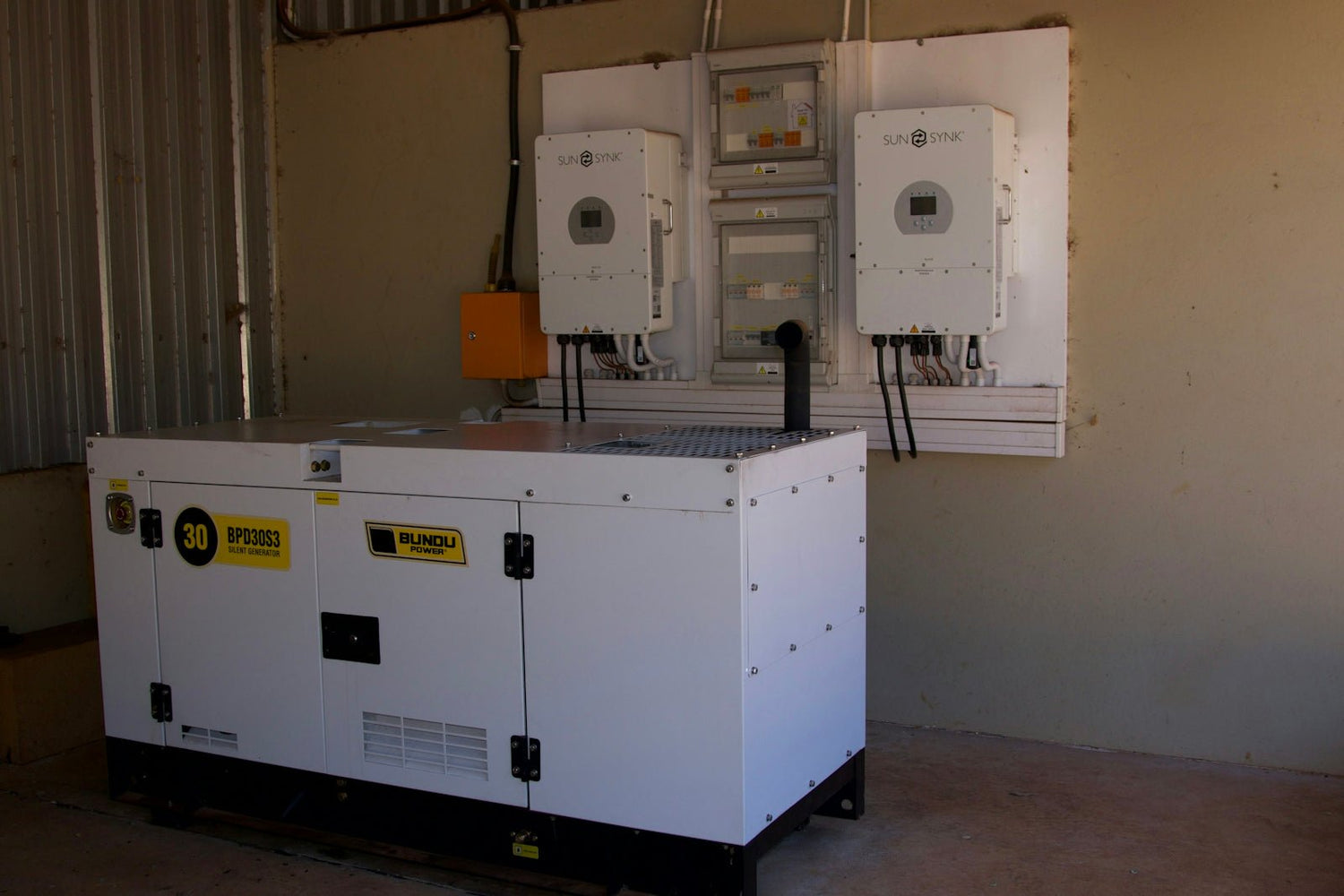
In today's world, ensuring your family's safety and comfort during power outages is a priority. With a myriad of options available, choosing the right home backup generator can be daunting. Here, we provide essential guidance on selecting the perfect generator for your home and family needs.
Table of Contents
- Table of Contents
- Understanding Generator Types
- Fuel-Powered Generators
- Battery-Powered Power Stations
- Power Needs Assessment
- Comparison of Power Options
- Top Generator Picks for Your Needs
- For Home Backup
- For RV and Camping Enthusiasts
- Popular Product Collections
- Deployment and Maintenance
- Installation Tips
- Routine Maintenance
- Practical Takeaways for Your Generator Purchase
Understanding Generator Types
When selecting a generator, it's crucial to understand the different types available and their unique benefits. Generators can be primarily categorized into two segments: fuel-powered generators and battery-powered power stations.
Fuel-Powered Generators

Fuel-powered generators are reliable sources for sustained power outages. They are versatile, offering a range of power capabilities suitable for various needs. Here's what you should know:
- Inverter Generator: These provide clean power suitable for sensitive electronics, like computers and smartphones. A model like the Erayak 6800W Portable Inverter Generator offers tri-fuel options and is perfect for both home backup and RV users.
- Portable Generator: Ideal as a short-term backup, these are easy to move and can power essential home appliances. The ERAYAK 4500W Gas Inverter Generator is a versatile choice for home and RV use.
Safety Tip: Always operate fuel generators outdoors, far from windows, doors, and vents to prevent carbon monoxide poisoning.
Battery-Powered Power Stations
Battery power stations are quiet generators that provide instant power. These are best when used as a supplementary option alongside fuel generators, especially for short durations:
- LiFePO4 Power Stations (500–5,000W): Known for their durability and longevity, these power stations are friendly for both home and camping environments. While not specifically addressed in this post without a model mention, their use is growing, especially in eco-friendly scenarios and low-power needs.
Power Needs Assessment
Understanding your power needs is crucial:
- Identify Essential Appliances: List essential devices (e.g., refrigerator, medical equipment) that need power during an outage.
- Calculate Total Wattage: Sum the wattage requirements of all essential appliances to determine the generator size and output needed.
- Consider Future Needs: Factor in any additional appliances or plans, such as RV or camping use.
Comparison of Power Options
| Generator Type | Power Output | Best For | Note |
|---|---|---|---|
| Inverter Generator | 4,000W - 6,800W+ | Home Backup, RVs, Sensitive Electronics | Clean power, can be more expensive. |
| Portable Generator | 2,400W - 4,500W | Emergency Use, Outdoor Activities | Affordable, easy to transport, basic home backup. |
| LiFePO4 Power Station | 500W - 5,000W | Eco-friendly Backup, Short-term Needs | Ideal for limited and eco-conscious power supply. |
Top Generator Picks for Your Needs
For Home Backup

To ensure the continuity of power to your home, select a generator that can fulfil your wattage requirements reliably:
- Erayak 6800W Portable Inverter Generator: This model uses multiple fuel sources, ensuring flexibility and availability during emergencies.
- Erayak 6800W Dual-Fuel Generator: For those needing adaptability, this powerful unit suits various home and RV applications.
For RV and Camping Enthusiasts

RVs and camping scenarios demand portability combined with sufficient power:
- ERAYAK 4500W Gas Inverter Generator: Its ergonomic design suits outdoor use, offering reliable power while on-the-go.
Popular Product Collections
For a wider range of options, explore Erayak's Best-Selling Generators.
Deployment and Maintenance
Installation Tips
- Placement: Position portable generators on a flat, stable surface outdoors, distancing at least 20 feet from the home.
- Connection: Use heavy-duty extension cords rated for outdoor use. Consider a manual transfer switch for seamlessly integrating your generator with your home circuits.
Routine Maintenance
- Regular Testing: Start your generator monthly to ensure readiness.
- Oil Changes: Follow the manufacturer’s guidelines on oil change intervals.
Practical Takeaways for Your Generator Purchase
Choosing the right generator involves balancing power needs, budget, and potential future requirements. Whether you're looking at a robust home backup system or a quiet generator for camping excursions, there are solutions tailored to your needs. By considering factors such as generator type, power output, and specific applications, you can ensure continuous power and peace of mind for your family.
For further exploration of generator options, visit Erayak Power to discover reliable models for every need.
