

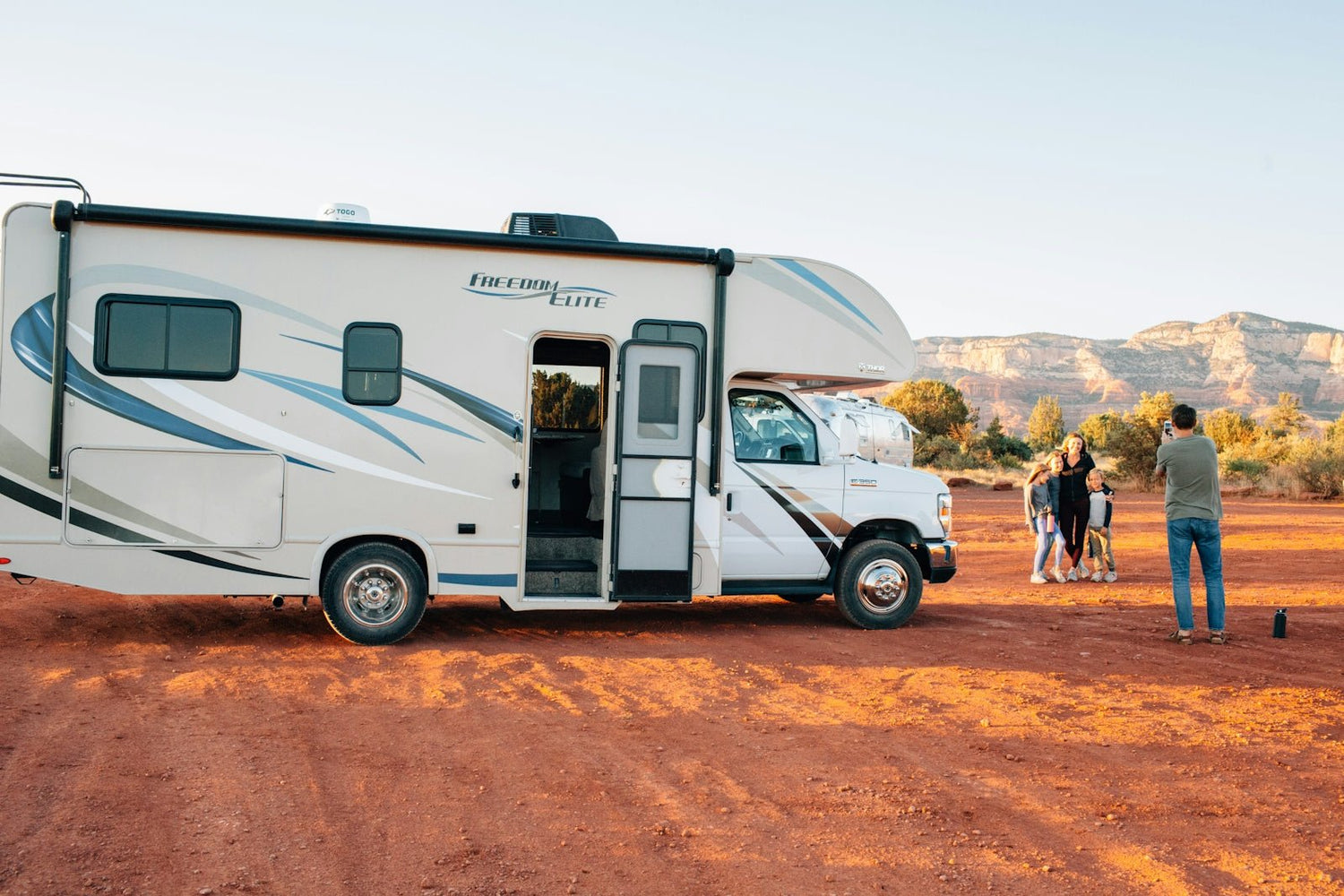
When it comes to enjoying the comforts of home while on the road or ensuring an uninterrupted power supply at home, nothing beats a reliable generator. Whether you're using an inverter generator, portable generator, or home backup generator, understanding how to charge your RV generator properly is key to maximizing its lifespan and performance. This guide will help U.S. homeowners and RV enthusiasts navigate the dos and don'ts of generator charging, maintaining efficiency while prioritizing safety.
Table of Contents
- Table of Contents
- Understanding RV Generator Basics
- What Is an RV Generator?
- Types of Generators
- Properly Charging Your RV Generator
- Steps for Safe and Efficient Charging
- Tables: Generator Overview Comparison
- Simplifying Runtime Planning
- Tips for Efficient Usage
- Addressing Safety Concerns
- Safety First
- Conclusion
- FAQs
Understanding RV Generator Basics
What Is an RV Generator?
An RV generator provides electrical power to run appliances and gadgets when you're off the grid. It ensures home-like convenience by powering air conditioners, TVs, and even microwaves while you're on the road.
Types of Generators
There are several types of generators to consider:
- Inverter Generators: Known for their quiet operation and fuel efficiency, perfect for RV or camping.
- Portable Generators: Easy to move and set up, making them an ideal option for both RVs and emergency backup for homes.
- Home Backup Generators: Larger units designed to power homes during outages. These generators usually deliver upwards of 5,000 watts, suitable for powering multiple large home appliances.
Properly Charging Your RV Generator
Steps for Safe and Efficient Charging

- Read the Manual: Always consult the generator’s manual before first use. Understanding manufacturer guidelines is crucial for operation and maintenance.
- Select the Right Type of Generator: If you're looking for RV and home backup versatility, the Erayak 4500PDM 4500W Dual-Fuel Inverter Generator is an excellent choice. For a gas-only option, consider the ERAYAK 4500P 4500W Gas Inverter Generator.
- Optimal Placement: Always operate your generator outdoors, away from windows, doors, and vents to prevent carbon monoxide buildup. Never operate it inside a home, garage, or shed.
- Battery Charging: Ensure the generator's battery (if applicable) is fully charged for reliable startup. Connect with a compatible charger or use the generator's built-in alternator.
- Fuel Check: Monitor fuel levels regularly. For dual-fuel models like the Erayak 6800W Portable Inverter Generator, ensure the appropriate switch between gas and propane as needed.
Tables: Generator Overview Comparison

| Feature | Inverter Generators | Portable Generators | Home Backup Generators |
|---|---|---|---|
| Power Output | 500W - 4,500W | 800W - 6,500W | 5,000W - 13,000W |
| Noise Level | Quiet operation | Moderate to Quiet | Varies by model, typically noisier than inverters |
| Fuel Options | Gas (some offer dual-fuel) | Predominantly gas, few dual-fuel models | Varies, often gas or dual-fuel |
| Ideal Usage | RVs, Camping, Small Home Backup | RVs, Camping, Emergency Home Use | Full Home Backup |
| Example Models | Erayak 2400W Portable Inverter Generator |
Simplifying Runtime Planning
Understanding how long your generator can run on a tank of fuel is vital, particularly during extended camping trips or outages. For an in-depth guide, check out Quick Guide To Portable Generator Runtime Planning.
Tips for Efficient Usage
- Fuel Management: Use the appropriate fuel type and maintain the generator’s fuel efficiency by avoiding overloading.
- Turn Off Unnecessary Appliances: Conserve energy by only running essential appliances or devices.
- Regular Maintenance: Keep your generator serviced as per manufacturer recommendations to prevent unexpected failures.
Addressing Safety Concerns
Safety First
Ensuring safe generator usage cannot be overstressed. Review Safety Tips For Using Quiet Inverter Generators for comprehensive safety guidelines.
- Carbon Monoxide Awareness: Never ignore the danger of carbon monoxide poisoning. Always operate generators in well-ventilated areas and invest in a carbon monoxide detector for extra safety.
- Regular Inspections: Conduct routine checks to identify any potential wear and tear or fuel leaks.
- Avoid Overloading: Each generator has a maximum load capacity. Avoid surpassing it to prevent damage and hazards.
Conclusion
Whether you're preparing for an outdoor adventure or shielding your home against power outages, choosing the right generator type and charging it properly can make all the difference. For RV enthusiasts and homeowners alike, understanding the nuances of generator operation brings peace of mind. Exploring more about home backup solutions? Consider Choosing Your Backup Generator For Power Outages.
Visit Erayak Power to explore more options that fit your needs. By following these guidelines, you'll maximize your generator's benefit safely and effectively, ensuring reliable power wherever you are.
FAQs
How often should I charge my RV generator?
It's essential to charge your RV generator regularly, especially if you're not using it frequently. Aim to charge it at least every month or when you notice the battery level is low to ensure optimal performance.
What type of charger is best for my RV generator?
The best charger for your RV generator depends on its specifications. Generally, a smart charger that can sense when the battery is fully charged and prevent overcharging is ideal. Always refer to your generator's manual to find compatible charger options.
Can I charge my RV generator while it’s running?
Yes, you can charge your RV generator while it is running. This practice can help maintain the battery's voltage and ensure it remains in good condition, but it's best to follow the manufacturer’s recommendations.
Is it safe to use a regular car battery charger for my RV generator?
Using a regular car battery charger may not be the best choice for your RV generator. These chargers can deliver too much current too quickly, potentially damaging the battery. Always check your generator's manual for compatibility with chargers.
What should I do if my RV generator won’t hold a charge?
If your RV generator won’t hold a charge, first check the battery connections for corrosion or looseness. If connections are fine, consider testing the battery with a multimeter or taking it to a service center. It may need maintenance or replacement.
How long does it take to fully charge an RV generator?
The charging time for your RV generator can vary based on the battery type and charger used. On average, it may take anywhere from 4 to 12 hours to charge fully, but always refer to the manufacturer's guidelines for more accurate estimates.
What are the signs that my RV generator battery needs replacing?
Signs that your RV generator battery may need replacing include difficulty starting the generator, a battery that doesn't hold a charge, or a swollen or leaking casing. If you notice any of these, it's best to seek a replacement.
How can I extend the life of my RV generator battery?
To extend the life of your RV generator battery, maintain it properly by regularly charging it, keeping it clean, ensuring good ventilation, and storing it in a cool, dry place when not in use. Regular maintenance checks can also help catch potential issues early.
Do weather conditions affect the charging of my RV generator?
Yes, weather conditions can impact charging. Extreme temperatures, whether too hot or too cold, can affect battery performance. It’s best to charge your generator in moderate conditions for optimal results.

