

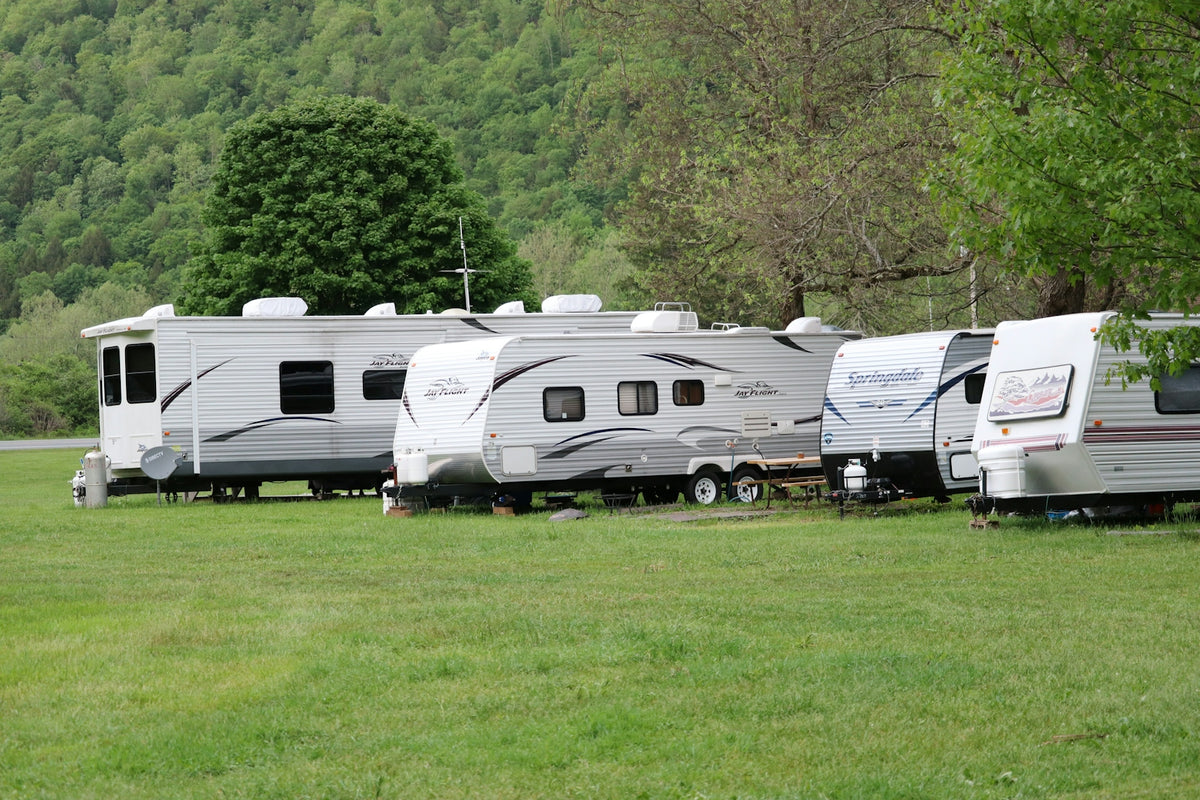
For RV enthusiasts and homeowners alike, portable power is an essential consideration. Ensuring a reliable source of electricity can enhance the self-sufficiency of your adventure or serve as a robust home backup in emergencies. This guide navigates the essential aspects of choosing an RV generator, focusing on inverter generators and the suitability for both RV and home use.
Table of Contents
- Table of Contents
- Understanding the Basics: What Makes a Generator Ideal for RV and Home Use?
- Selecting the Right Size: Power Needs and Options
- RV Generators: On-the-Go Power Solutions
- Home Backup Generators: Staying Powered During Outages
- Quiet Generators: For Less Noise, More Peace
- Comparing Fuel and Battery-Powered Options
- Fuel Generators
- Battery Power Stations
- Practical Takeaway
- FAQs
Understanding the Basics: What Makes a Generator Ideal for RV and Home Use?
An efficient RV generator can make a notable difference in terms of convenience and security. The key is to select one that matches your power requirements and operational preferences. When considering different types, the inverter generator emerges as a popular choice due to its efficient power conversion and relatively quiet operation.
Meanwhile, portable generators provide a flexible option for power on the go, often favored for camping or travel, whereas a home backup generator ensures you stay powered during unexpected outages. However, safety is paramount—always operate fuel generators outdoors, away from doors, windows, and vents to avoid hazardous conditions.
For more safety insight, check out our Safe Usage Tips for Portable Generators at Home.
Selecting the Right Size: Power Needs and Options
Understanding power needs is vital in selecting the right generator. For RV camping, generators typically range from 500W to 5,000W. Larger units, which produce between 5,000W and 13,000W, are generally more suited for home backup situations:
RV Generators: On-the-Go Power Solutions

- Erayak Dual-Fuel 4500W Inverter Generator | 4500PDE: This model provides versatility and efficiency for RV and home backup use. With dual-fuel capability, it offers peace of mind while on the road or as a home-based backup solution. Learn more about this generator.
- ERAYAK 4500 Watt Inverter Generator for RV Camping | 4500P: Ideal for those seeking a compact yet powerful option, this model is tailored for RV camping, balancing portability with performance. Explore the features here.
- Erayak Tri-Fuel 6800W Inverter Generator for RV Home Backup | 6800PT: Perfect for those who need flexible fuel options and significant power output for both RV use and home backup. View more details here.
Home Backup Generators: Staying Powered During Outages
For home applications, selecting the appropriate wattage is crucial. A good starting point is our Home Backup Generator Sizing Guide for Power Outages. This will help you determine how much power is needed to support your home's critical systems during an outage.
Quiet Generators: For Less Noise, More Peace
The need for quiet generators is undeniable, especially for RV users seeking tranquility in nature. Fortunately, many inverter generators operate at lower noise levels, making them suitable for environments where peace is a priority. You might be interested in our tips on Maximize Runtime with Efficient Quiet Generators.
Comparing Fuel and Battery-Powered Options
It's essential to recognize the distinct roles of fuel generators and LiFePO4 portable power stations. Both provide reliable power but differ significantly in application and maintenance.
Fuel Generators

Fuel generators, such as those mentioned above, provide high power output and flexibility with fuel types, including dual and tri-fuel models. The Erayak range includes generators such as the Erayak 4500W Dual-Fuel Inverter Generator and the Erayak Dual-Fuel 6800W Inverter Generator.
Battery Power Stations
LiFePO4 power stations represent the future of portable power with their long-lasting battery life and zero noise operation. Their portability and pollution-free operation make them a strong option for camping enthusiasts who seek a green alternative. While not explicitly discussed in this guide, Erayak is expected to continue innovating in this area.
Practical Takeaway
Choosing the right RV generator involves understanding your power needs, safety considerations, and the specific benefits of different types of generators. Whether opting for a versatile dual-fuel inverter generator or planning for a future with efficient battery power stations, ensuring that you have a reliable power source will make your outdoor adventures or home emergencies smoother and more enjoyable.
Explore more about our range and choose the most suitable power solution for your needs by visiting Erayak Power.
By being informed and making the right selections, you can enjoy a self-sufficient adventure whether on the road or at home.
FAQs
What size generator do I need for my RV?
The size of the generator you need depends on the power requirements of your RV appliances. A typical RV may require between 2,000 and 4,000 watts. Calculate the total wattage of all devices you'll be using simultaneously to determine the right generator size.
How do I determine the best fuel type for my RV generator?
Consider your travel habits, availability of fuel, and generator capacity. Common fuel types include gasoline, diesel, propane, and dual-fuel options. Each has its pros and cons related to efficiency, storage, and operating costs.
Can I run my RV air conditioner on a portable generator?
Yes, but ensure the generator has enough wattage to handle the start-up and running watts of your air conditioner. Most RV air conditioning units require a generator with at least 3,000 to 4,000 starting watts.
How long can a generator run on a full tank?
The run time of a generator depends on its size, load, and fuel type. Generally, smaller generators can run for 6 to 12 hours on a full tank, while larger units may only run for 5 to 8 hours at full capacity.
Is it safe to use a generator inside my RV?
No, it's not safe to use a generator inside your RV due to the risk of carbon monoxide poisoning. Always operate generators outdoors and away from windows, doors, and vents.
What maintenance is required for my RV generator?
Regular maintenance includes checking and changing the oil, replacing air filters, and inspecting the spark plugs. It’s also important to run your generator periodically to keep it in good working condition.
Can I charge my RV batteries with a generator?
Yes, many generators can charge RV batteries. Make sure your RV is equipped with a compatible charging system, and consult your generator's manual for proper charging methods.
What noise levels should I expect from an RV generator?
Noise levels vary by generator type and size. Look for generators rated between 50 to 60 decibels for quieter operation, as louder generators can disturb fellow campers and the surrounding environment.
Do I need an inverter generator for my RV?
Inverter generators are often recommended for RVs because they produce clean, stable power and operate more quietly than conventional generators. They are especially good for sensitive electronics like laptops and microwaves.

