

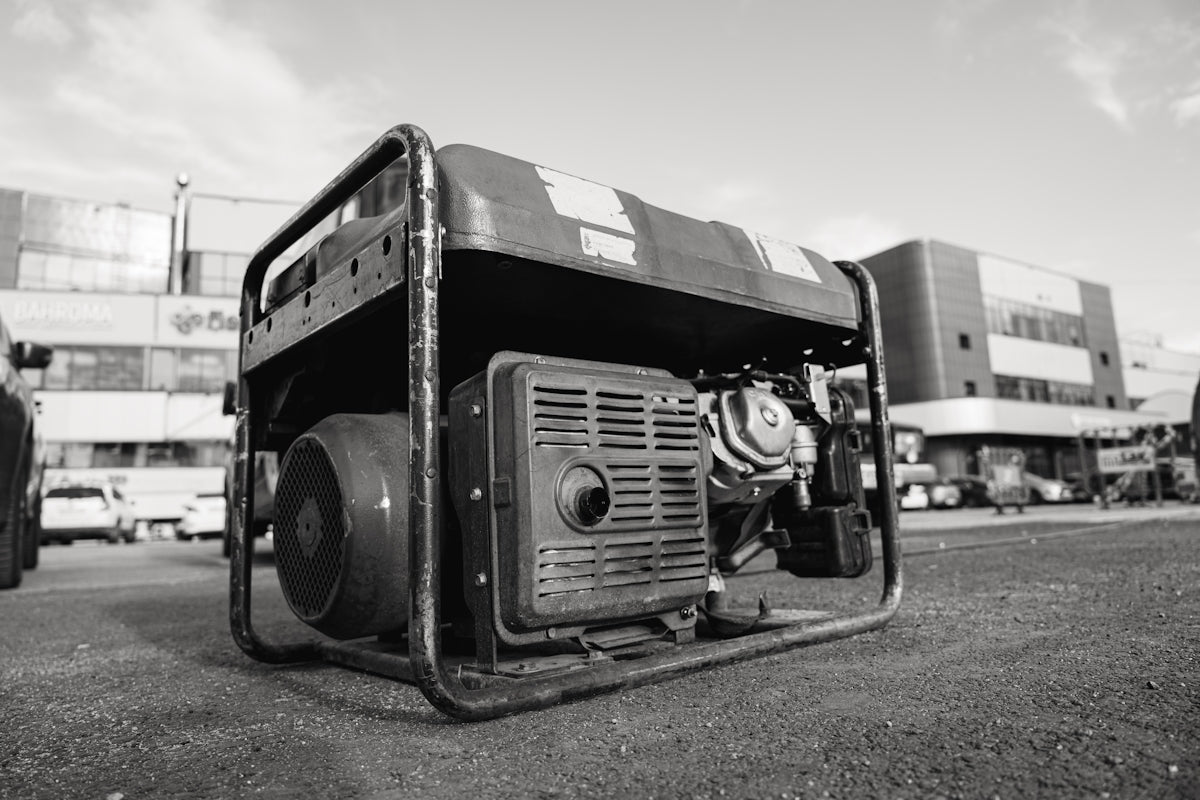
When it comes to selecting the perfect generator for your home, RV, or outdoor activities, the decision can be overwhelming. There are numerous factors to consider, such as fuel type, power output, and portability. At Erayak Power, we offer a range of generators that cater to different needs and preferences. This guide will help you make an informed decision by exploring key aspects of generator selection and highlighting some top products from Erayak.
Table of Contents
- Table of Contents
- Key Considerations When Choosing a Generator
- 1. Power Requirements
- 2. Fuel Type
- 3. Portability
- Top Picks from Erayak's Inverter Generator Collection
- Our Recommendations:
- FAQs
Key Considerations When Choosing a Generator
1. Power Requirements

Understanding your power needs is a crucial first step. Calculate the total wattage of the appliances and devices you plan to run simultaneously. For RV enthusiasts and homeowners, a generator like the Erayak Tri-Fuel 6800W Inverter Generator offers ample power and versatility, providing up to 6800W.
2. Fuel Type

The choice of fuel can significantly affect the convenience and running cost of your generator. Dual-fuel generators, like the Erayak 4500W Dual-Fuel Inverter Generator | 4500PDM or the Erayak Dual-Fuel 4500W Inverter Generator | 4500PDE, provide flexibility by allowing you to switch between gasoline and propane based on availability and cost.
3. Portability
For those seeking a mobile power solution, whether for camping or tailgating, portability is key. The Erayak 2400W Portable Inverter Generator | 2400P is an excellent choice for lightweight travel, allowing you to easily transport it wherever you go.
Top Picks from Erayak's Inverter Generator Collection
If you are looking for reliable and efficient power solutions, explore the Erayak Inverter Generators. Each product in the collection meets different needs, from powering essential home appliances during a blackout to providing electricity for RVs and outdoor excursions.
Our Recommendations:
- Erayak 4500W Dual-Fuel Inverter Generator | 4500PDE: With dual-fuel flexibility and electric start, this model is ideal for both RV and home backup power needs.
- Erayak Tri-Fuel 6800W Inverter Generator: Perfect for those who require maximum output and the versatility of three fuel options.
In summary, choosing the right generator involves understanding your specific needs and the features that best match them. Whether you need a portable solution for camping or a robust power backup for your home, Erayak has you covered with its versatile range of inverter generators. Visit Erayak Power to explore the full range of products and find the perfect generator for your needs.
FAQs
What type of generator is best for home use?For home use, standby generators are often the best choice as they automatically activate during power outages. Portable generators can also be effective, especially for temporary needs or smaller homes.
How do I determine the wattage I need in a generator?To determine the wattage you need, add up the total wattage of all the appliances and devices you plan to power simultaneously. It's best to account for starting watts, which are higher than running watts, especially for motor-driven devices.
What is the difference between a portable and a standby generator?Portable generators are designed for temporary use and can be moved easily. Standby generators are permanently installed, automatically activate during an outage, and provide power directly to your home’s electrical system.
How important is fuel type when choosing a generator?Fuel type is vital as it can affect your generator's performance, run time, and maintenance. Common fuel types include gasoline, diesel, propane, and natural gas. Select a fuel that is readily available and convenient for your situation.
Can I run my generator indoors?No, you should never run a generator indoors or in enclosed spaces due to the risk of carbon monoxide poisoning. Always use it in well-ventilated outdoor areas, away from doors and windows.
What maintenance is required for generators?Regular maintenance includes checking and changing the oil, replacing air filters, and inspecting spark plugs. Always refer to the manufacturer's guidelines for specific maintenance recommendations to ensure optimal performance.
How noisy are most generators?Generator noise levels vary by model, with portable generators typically being louder than standby generators. Look for models with noise reduction features, and consider the generator's decibel rating when making your decision.
What safety features should I look for in a generator?Key safety features include circuit breakers, low-oil shutdown, and surge protection. These features help prevent damage to the generator and connected devices while also enhancing user safety.
How can I ensure my generator operates efficiently?To ensure efficient operation, choose the right size generator for your needs, perform regular maintenance, and keep it in a clean, dry environment. Additionally, avoid overloading the generator by staying within its wattage capacity.

