

When it comes to ensuring your home has enough power during an outage or your RV has the electricity it needs on the road, selecting the right generator size is crucial. Understanding power sizing will help you select a unit that meets your needs, whether you're opting for a portable generator or an inverter generator.
Table of Contents
- Table of Contents
- Understanding Power Needs
- Essential Questions for Generator Sizing:
- Generator Options
- Fuel Generators
- Battery Power Stations
- Comparing Generators
- Tips for Right Sizing
- Products That Align With Your Needs
- Conclusion
- FAQs
Understanding Power Needs
Before choosing a generator, you need to understand your power requirements. This involves determining what devices and appliances you plan to run and adding up their wattages. Consider future requirements so you're not just meeting basic needs but also have a buffer for additional users or devices that might become essential later.
Essential Questions for Generator Sizing:
- What devices do you need to power? List essential appliances like refrigerators, lights, and mobile devices. For RV users, consider appliances like air conditioners and microwave ovens.
- What is the starting vs. running wattage of each device? Many devices require additional power to start. A refrigerator may have a running wattage of 800W but a starting wattage of 1200W.
- What is your budget and space availability? Larger generators typically provide more power but require additional space and budget.
Generator Options
Generators are fundamentally categorized into two main types: fuel generators and battery power stations.
Fuel Generators
Fuel generators, such as the Erayak Tri-Fuel 6800W Inverter Generator for RV Home Backup, offer robust power options with variable fuel sources. They’re typically used for larger, whole-home backup needs due to their wattage capacity. For detailed benefits of using home backup generators during outages, you can explore this article.
Key considerations for fuel generators:

- Operate only outdoors: Generators produce carbon monoxide; thus, they must be run outside, away from windows, doors, and vents.
- Consider fuel availability and storage: Choose generators that align with available fuel sources, such as dual-fuel options.
- Maintenance: Follow the manufacturer's manual for maintenance to ensure long-term reliability.
For those with lighter needs, the ERAYAK 4500 Watt Inverter Generator for RV Camping | 4500P offers a blend of portability and power, suitable for camping trips and small home backup requirements. You can find more information here.
Battery Power Stations
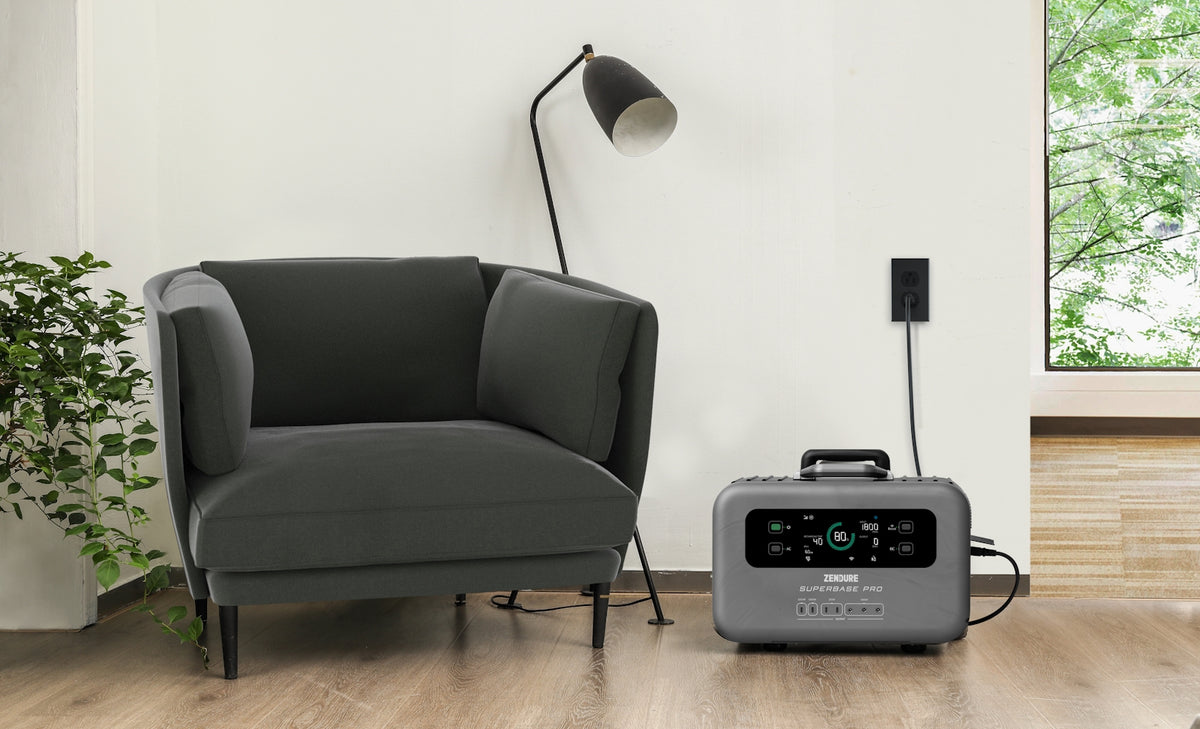
Battery power stations, particularly those using LiFePO4 batteries, are emerging as clean, quiet alternatives. These stations, typically ranging from 500W to 5,000W, offer portability and reduced noise levels, making them ideal for camping trips or short-term outages.
Factors to consider for battery power stations:
- Watt-hour capacity: This determines how long your power station can run before needing a recharge.
- Port options and compatibility: Ensure your power station supports the types of devices you plan to charge.
- Recharging methods: Explore solar panel compatibility or fast-recharge from wall outlets for efficiency.
Comparing Generators
Choosing between a quiet generator for camping and a home backup generator depends largely on the wattage capability and operational efficiency. Below is a simple table for comparison:
| Feature | Fuel Generators | Battery Power Stations |
|---|---|---|
| Wattage | 5,000W - 13,000W | 500W - 5,000W |
| Noise Level | Medium to High | Low |
| Fuel Source | Gasoline, Propane, Natural Gas | Battery (LiFePO4, etc.) |
| Portability | Generally heavier, requires external storage | Lightweight and portable |
| Run Time | Long (depends on fuel available) | Depends on capacity and load |
Tips for Right Sizing
- Use a Size Calculator: There's no better way to ensure accuracy than using a sizing calculator available from many manufacturers.
- Overestimate Needs: Always opt for a slightly higher power capacity than the sum of your most essential devices. This minimizes the risk of overloading your generator.
- Check Manufacturer Points: Following manufacturer and local rules is crucial for safety and efficiency.
Products That Align With Your Needs

- Erayak Tri-Fuel 6800W Inverter Generator for RV Home Backup
- ERAYAK 4500 Watt Inverter Generator for RV Camping | 4500P
For more in-depth insights, check out our resources on choosing an inverter generator for home backup and portable inverter generators for emergencies and trips.
Conclusion
Whether powering your home through an outage or enjoying the great outdoors with an RV, selecting the right generator is critical for uninterrupted power. Understanding your power needs, comparing options, and making informed decisions about size and capability will ensure you buy a reliable generator or power station. For more information and to explore available options, visit Erayak Power.
FAQs
What is power sizing and why is it important for portable generators?
Power sizing refers to determining the right wattage needed to run your essential appliances and devices using a portable generator. It's crucial because undersizing can lead to insufficient power for your needs, while oversizing may result in unnecessary expenses and inefficiencies.
How do I calculate the wattage I need for my portable generator?
To calculate the wattage, list all devices you plan to power, check their wattage ratings (often found on the appliance or in the manual), add up the starting wattage for devices that require more power to start (like refrigerators), and ensure your generator can handle the total load.
What’s the difference between starting and running wattage?
Starting wattage is the additional power required to start certain appliances, like air conditioners and refrigerators, which is typically higher than their running wattage. Running wattage is the continuous power needed to keep the appliance operating once it’s started.
Are there any appliances I shouldn't run simultaneously on a portable generator?
Yes, high-wattage appliances like air conditioners, space heaters, and refrigerators can overload a portable generator if run together. It’s best to prioritize essential devices and check your generator’s capacity to avoid tripping the circuit or damaging the appliances.
What factors should I consider when choosing a portable generator?
Consider your power needs based on wattage calculations, fuel type (gasoline, propane, etc.), generator runtime, and additional features like portability or noise levels. Always select a generator that not only meets but slightly exceeds your calculated wattage needs for safety and efficiency.
Can my portable generator run on renewable energy sources?
Yes, some portable generators are designed to be compatible with renewable energy sources, like solar panels, allowing you to harness clean energy while providing power. Be sure to check specifications and inverter requirements when considering this option.
What maintenance is required for portable generators?
Regular maintenance includes checking and changing the oil, cleaning or replacing air filters, inspecting fuel lines, and ensuring the battery is charged if applicable. Following the manufacturer's guidelines for maintenance can enhance performance and longevity.
How can I ensure the safety of using a portable generator?
To ensure safety, always use the generator outdoors in a well-ventilated area to avoid carbon monoxide buildup. Keep it dry, use heavy-duty extension cords rated for outdoor use, and never overload the generator. Familiarize yourself with its operation manual for specific safety precautions.
What should I do if my generator keeps tripping?
If your generator keeps tripping, it could indicate an overload or a short circuit. Start by disconnecting all devices, and then gradually reconnect them one by one to identify any faulty equipment. If the problem persists, consult a professional for further diagnosis.


