

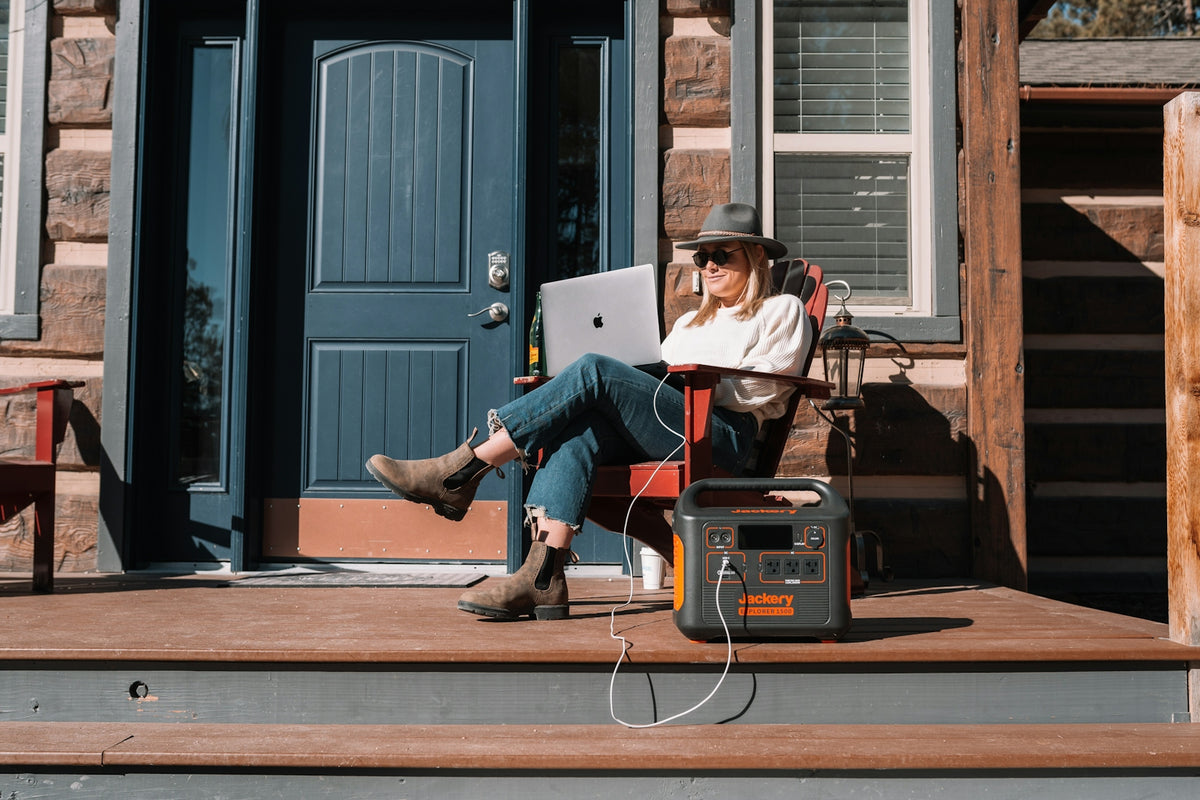
In today's world, power outages are a common occurrence and can disrupt your daily routines or even threaten your safety. This guide will help U.S. homeowners determine how to choose the right home backup generator size for these situations, ensuring that essential appliances and systems keep running during an outage. We'll explore the differences between fuel generators and battery power stations, focusing on the best options for larger homes and RV users alike.
Table of Contents
- Table of Contents
- Understanding Your Power Needs
- Calculating Total Wattage
- Fuel Generators: Powerful and Reliable
- Recommended Home Backup Generators
- [Erayak 4500W Dual-Fuel Inverter Generator | 4500PDM](/products/erayak-4500pd-4500w-dual-fuel-inverter-generator-for-rv-home-backup):
- [Erayak Dual-Fuel 6800W Inverter Generator](/products/erayak-6800w-portable-inverter-generator-120v-240v-for-rv-home-backup-dual-fuel):
- Portable Inverter Generators: Compact and Quiet
- Preferred Models for RV and Camping
- [Erayak 2400W Portable Inverter Generator | 2400P](/products/2400w-inverter-generator-camping-rv):
- [ERAYAK 4500 Watt Inverter Generator for RV Camping | 4500P](/products/4500w-inverter-generator-rv-camping):
- LiFePO4 Portable Power Stations: A Quiet Alternative
- Advantages of LiFePO4 Power Stations
- Ensuring Safe Generator Use
- Final Thoughts
- FAQs
Understanding Your Power Needs
Before purchasing a generator, it's crucial to understand your power requirements. Calculate the wattage of essential appliances you wish to power during an outage. These might include refrigerators, sump pumps, furnaces, lighting, and more.
Calculating Total Wattage
List each appliance's starting and running wattage. Keep in mind that starting wattage is usually higher, especially for motor-driven appliances. Once you have your list, add up the total to determine the desired generator capacity. Use the following table as a rough guide:
| Appliance | Running Watts | Starting Watts |
|---|---|---|
| Refrigerator | 700 | 1,200 |
| Sump Pump | 800 | 1,300 |
| Furnace Fan | 750 | 1,500 |
| Lights (10 bulbs) | 600 | 600 |
For home backup scenarios, look for generators in the 5,000W–13,000W range.
Fuel Generators: Powerful and Reliable
Fuel generators, often powered by gasoline or propane, are favored for their powerful output. They are well-suited for home backup situations and extended outages. However, remember that they must be operated outdoors, far from windows and doors, due to carbon monoxide risks.
Recommended Home Backup Generators
Erayak 4500W Dual-Fuel Inverter Generator | 4500PDM:
- Dual-fuel capability offers flexibility.
- Well-suited for moderate power needs.
Erayak Dual-Fuel 6800W Inverter Generator:
- Ideal for larger homes with higher power demands.
- Dual-fuel design for enhanced versatility.
It's also worth reading about maximizing your generator's runtime with efficient models in our Maximize Runtime with Efficient Quiet Generators guide.
Portable Inverter Generators: Compact and Quiet
For less intensive power needs, such as RV or camping, portable inverter generators provide an excellent solution. They're praised for their quiet operation and portability.
Preferred Models for RV and Camping
Erayak 2400W Portable Inverter Generator | 2400P:
- Compact size ideal for travel.
- Runs quietly, suitable for camping sites.
ERAYAK 4500 Watt Inverter Generator for RV Camping | 4500P:
- Balances power and portability.
- Delivers adequate power for RV appliances.
For further insights, consider reading Choosing the Right Inverter Generator for RV Use.
LiFePO4 Portable Power Stations: A Quiet Alternative
LiFePO4 battery power stations offer a whisper-quiet alternative to traditional generators. They are easy to use and have low maintenance demands, providing a silent power supply for small-scale electricity needs around the home or while camping.
Advantages of LiFePO4 Power Stations
- Portability: Easy to transport, making them ideal for RVs or camping trips.
- Noise-Free Operation: Unlike fuel generators, they operate silently.
- Environmentally Friendly: Produce no emissions, making them safe for indoor use.
To discover the benefits of these power stations during outages, read our article Benefits of LiFePO4 Portable Power Stations for Outages.
Ensuring Safe Generator Use
It is crucial to adhere strictly to safety guidelines when using generators:
- Operate generators outdoors only.
- Position generators away from doors, windows, and vents.
- Follow the manufacturer's manual and local regulations.
Final Thoughts
Selecting the right generator size depends on your specific power needs and circumstances. Whether you’re looking for robust solutions for your home or a portable option for RV adventures, understanding the differences between fuel and battery technologies is essential.
To explore more options and learn about Erayak's offerings, visit our website.
FAQs
What is a home backup generator and why do I need one?
A home backup generator is a power source that automatically provides electricity to your home during a power outage. It ensures that your essential appliances and systems, such as refrigerators, heating, and lighting, continue to operate, providing peace of mind during emergencies.
How do I determine the right size of generator for my home?
To determine the right size of generator, first calculate the total wattage of the appliances and systems you wish to power during an outage. Add the starting wattage (the amount needed when the appliance first turns on) and the running wattage (the amount needed during operation) for each. Consider using a generator sizing calculator or consult a professional for accurate assessment.
What appliances can I power with a backup generator?
Common appliances that can be powered with a backup generator include refrigerators, freezers, sump pumps, heaters, air conditioners, and essential electronics like laptops and televisions. Always prioritize critical items based on your household needs.
Should I choose a portable or whole-house generator?
Your choice between a portable and a whole-house generator will depend on your power needs. Portable generators are more affordable and can power basic appliances, while whole-house generators provide a permanent solution that can power your entire home, even during long outages.
What fuel types do backup generators use?
Backup generators commonly run on gasoline, propane, natural gas, or diesel. Each fuel type has its advantages; for example, natural gas is convenient and clean, while propane can be stored easily for extended use. Consider the availability of fuel type in your area when making a choice.
How often should I run and maintain my backup generator?
It's recommended to run your backup generator for at least 30 minutes every month to keep it in good working condition. Regular maintenance, including oil changes and checking filters, should follow the manufacturer's guidelines, typically every 100 to 200 hours of use or annually.
What is the average cost of a backup generator?
The cost of a backup generator can vary significantly based on its size, type, and features. Portable generators can start around a few hundred dollars, while whole-house generators can sell for several thousand dollars, including installation costs. Assess your budget and power needs when considering options.
Can I install a backup generator myself?
While some portable generators can be set up easily without professional help, whole-house generators usually require specialized installation due to electrical wiring and local code compliance. It’s best to hire a licensed electrician for whole-house systems to ensure safety and proper operation.
What is the noise level of backup generators?
Noise levels can vary depending on the generator’s size and type. Portable generators tend to be louder, while whole-house generators are designed to operate more quietly. When selecting a generator, check the decibel rating and consider noise restrictions in your area.
How long can a backup generator run on a single tank of fuel?
The runtime of a backup generator depends on the fuel type and load. Generally, portable generators may run for about 5-12 hours on a full tank, while whole-house generators can run longer if connected to a stable fuel source, such as natural gas. Always check the manufacturer’s specifications for accurate information.
