
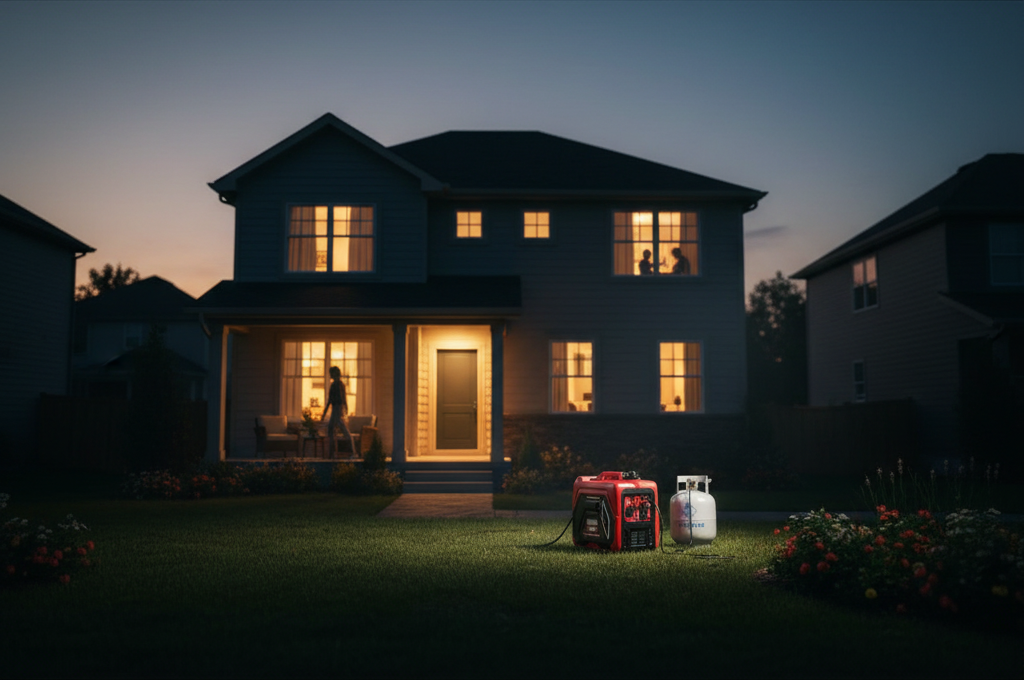




Why a Home Backup Generator Matters
Power outages can happen without warning—winter storms, grid failures, or equipment damage.
When your home loses electricity, essential systems stop working:
• Heat and furnace blowers shut down
• Food spoils within hours
• Wi-Fi, laptops, and phones die during emergencies
• Sump pumps fail and basements flood
• Medical devices stop running
• Security systems go offline
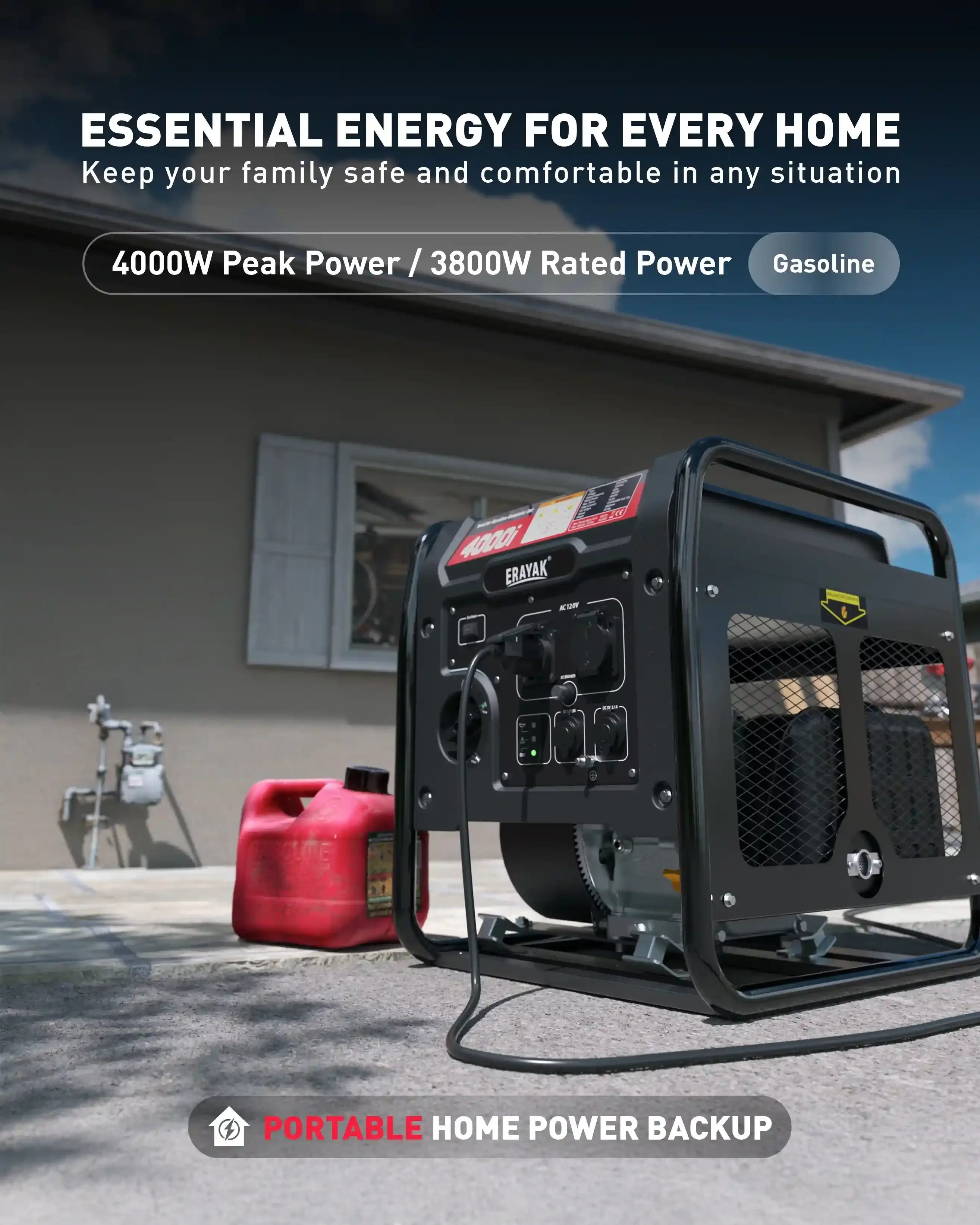
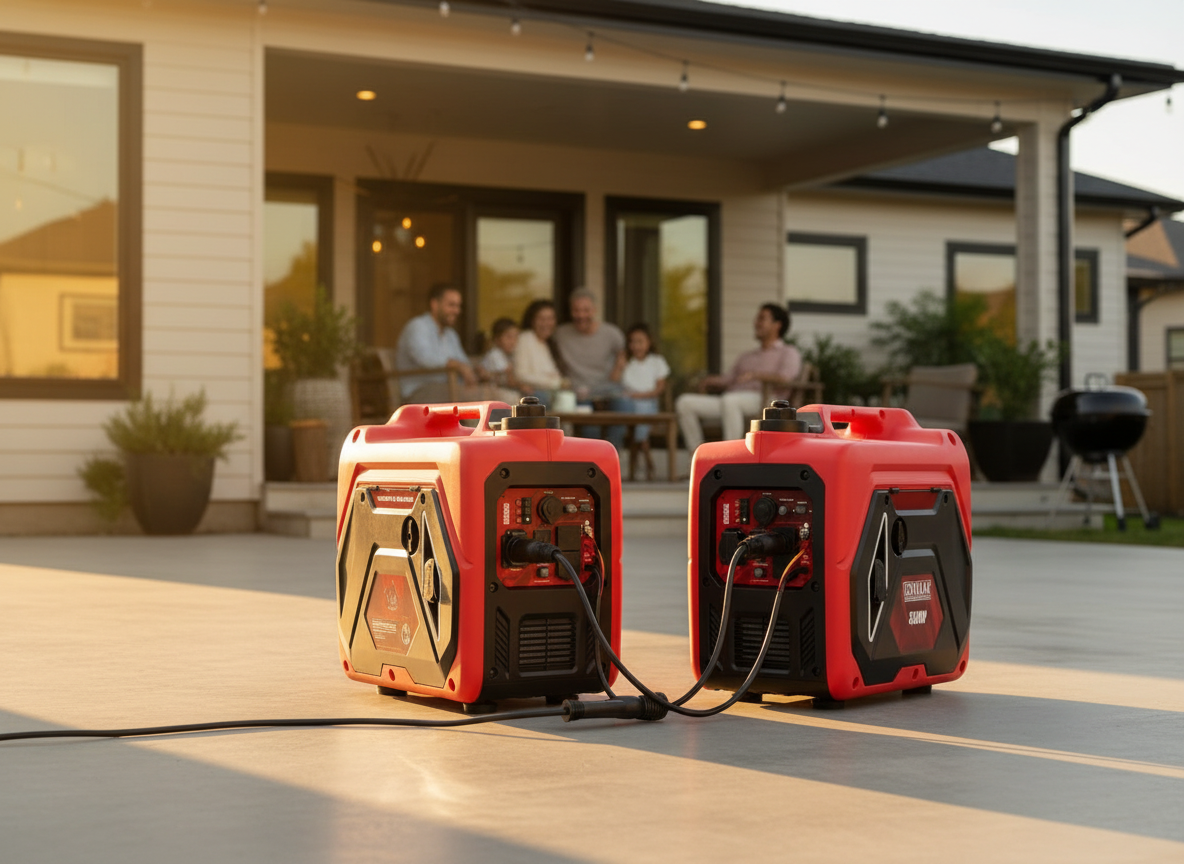
A quiet inverter generator keeps your home warm, connected, and protected until the power returns.
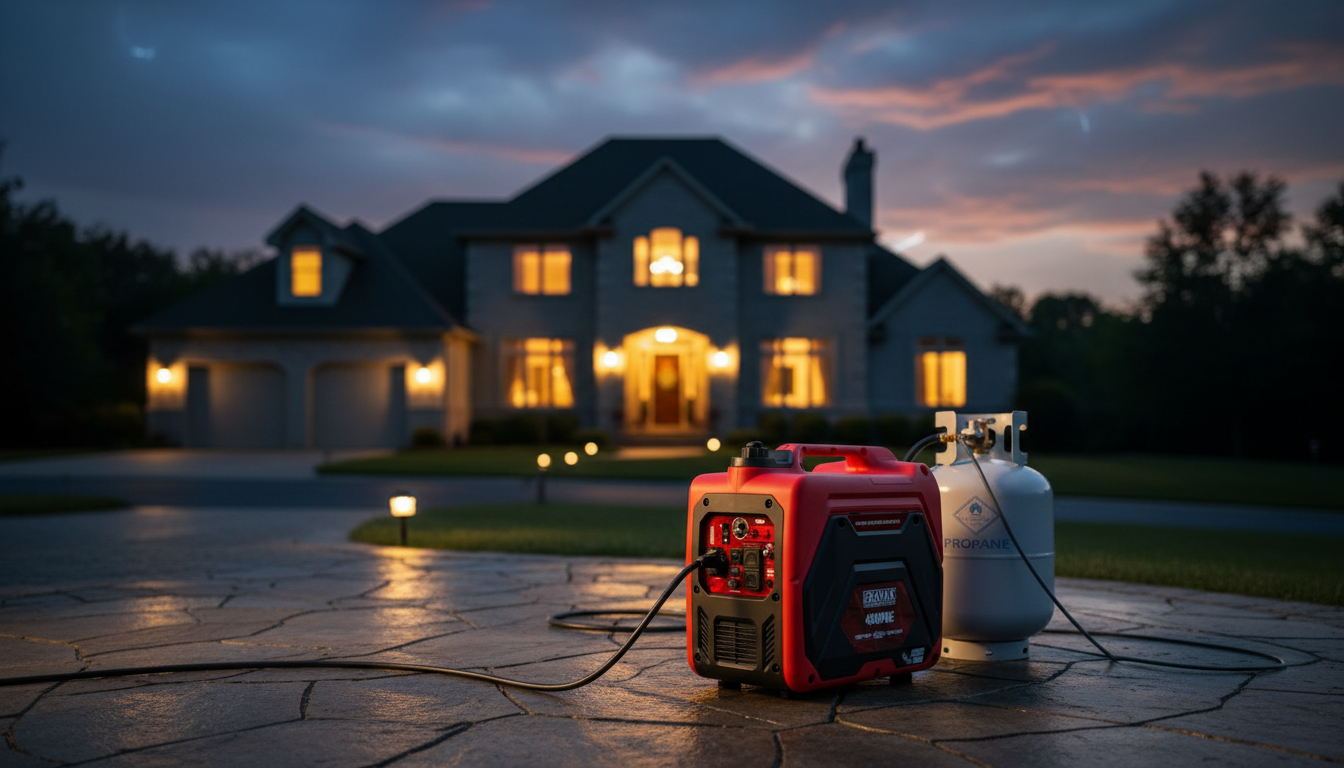
Choose the Right Backup Generator for Your Home
Stay prepared for outages with clean, quiet, winter-ready inverter power.
Compare Backup Generator Options


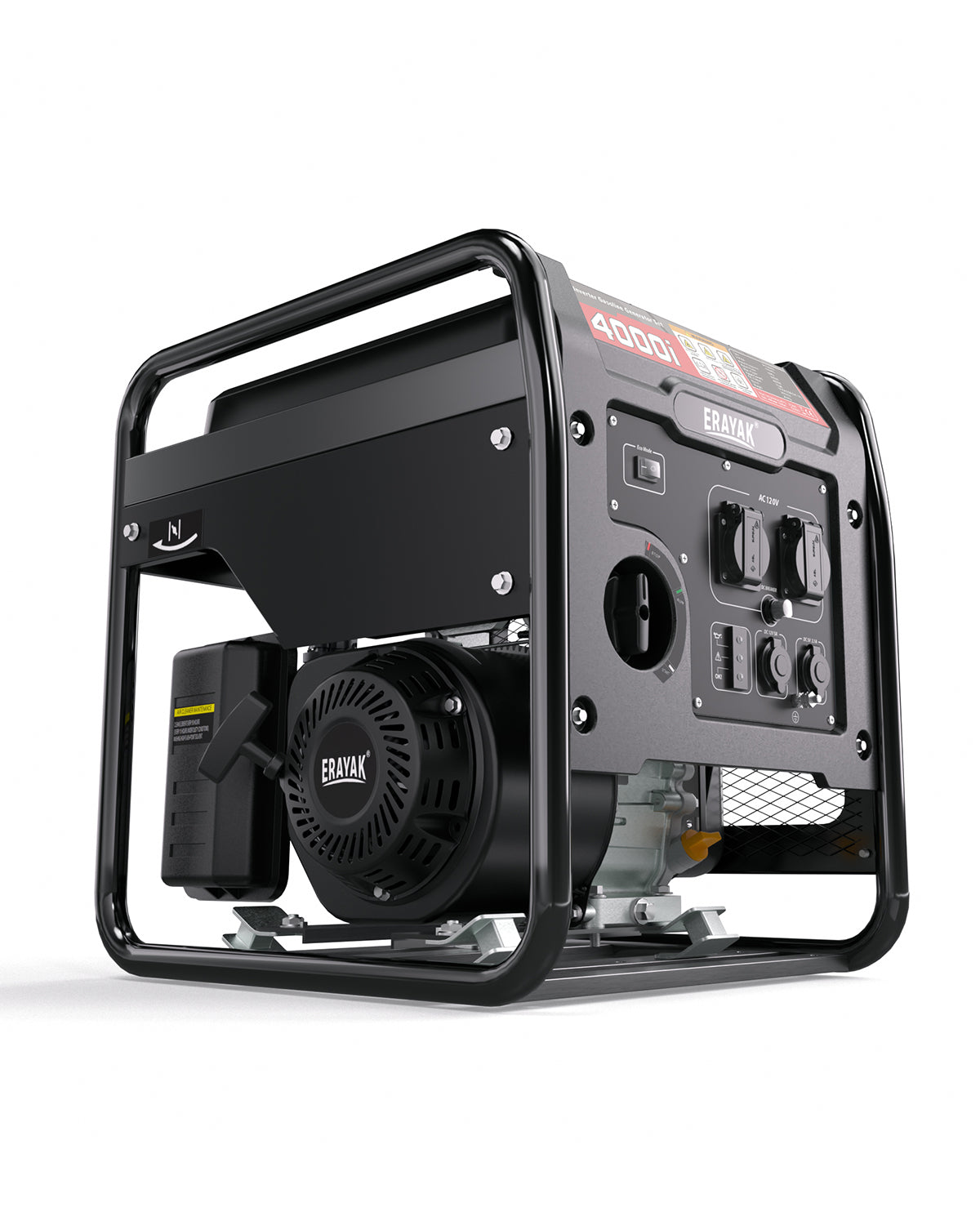
Most homes in the U.S. need between 4500W and 8000W to keep key circuits running during winter outages.
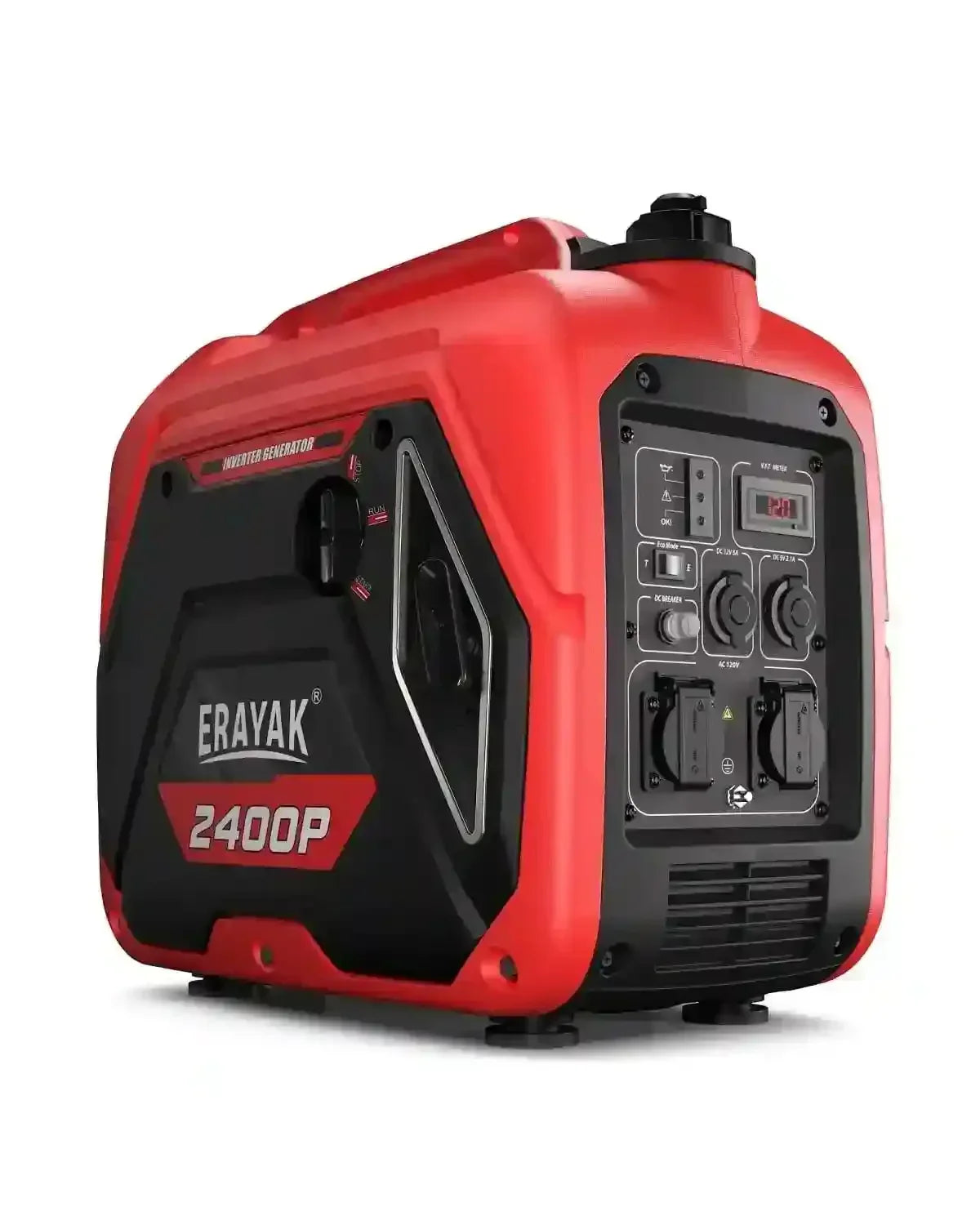
Essential Backup (2400W)
Perfect for powering your fridge, Wi-Fi router, lights, and small appliances during short outages.
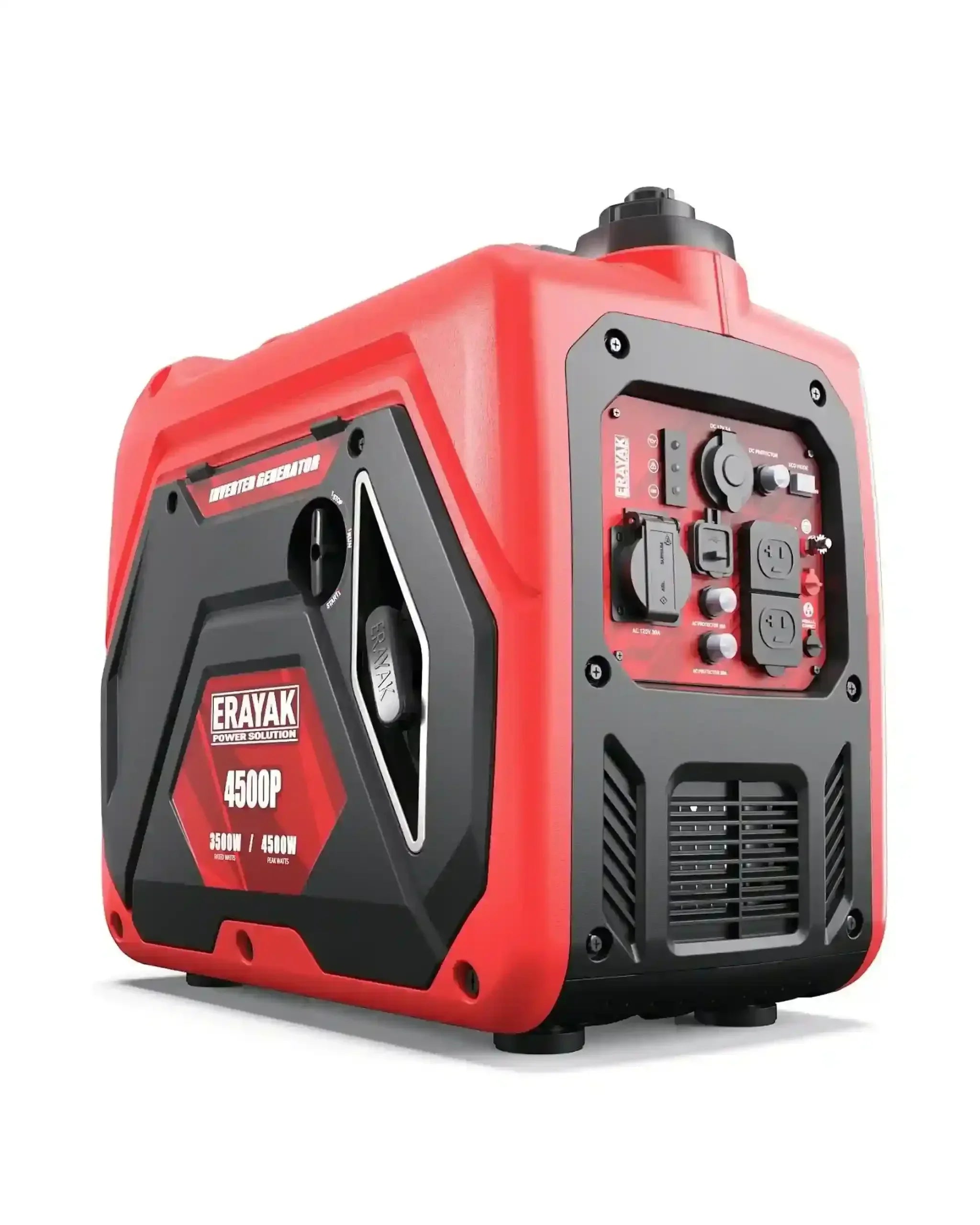
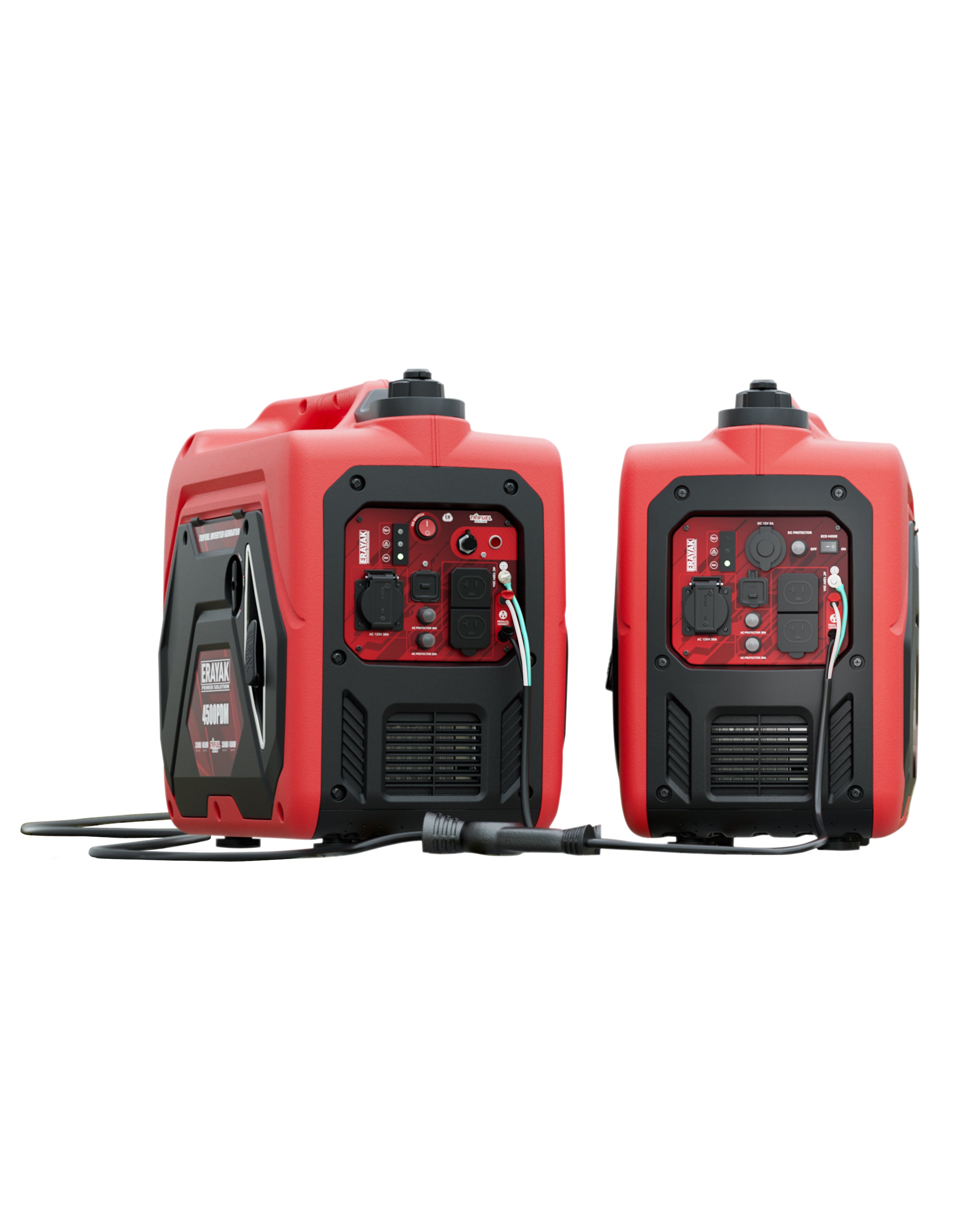
Standard Backup (4500W)
Keeps your fridge, furnace fan, sump pump, and multiple essential devices running reliably.
Whole-Home Lite (5000–6500W)
Ideal for powering appliances like space heaters, microwaves, pumps, and multiple circuits.
Whole-Home Backup (7000–13000W)
Supports larger loads such as central AC, water heaters, and whole-home emergency circuits.
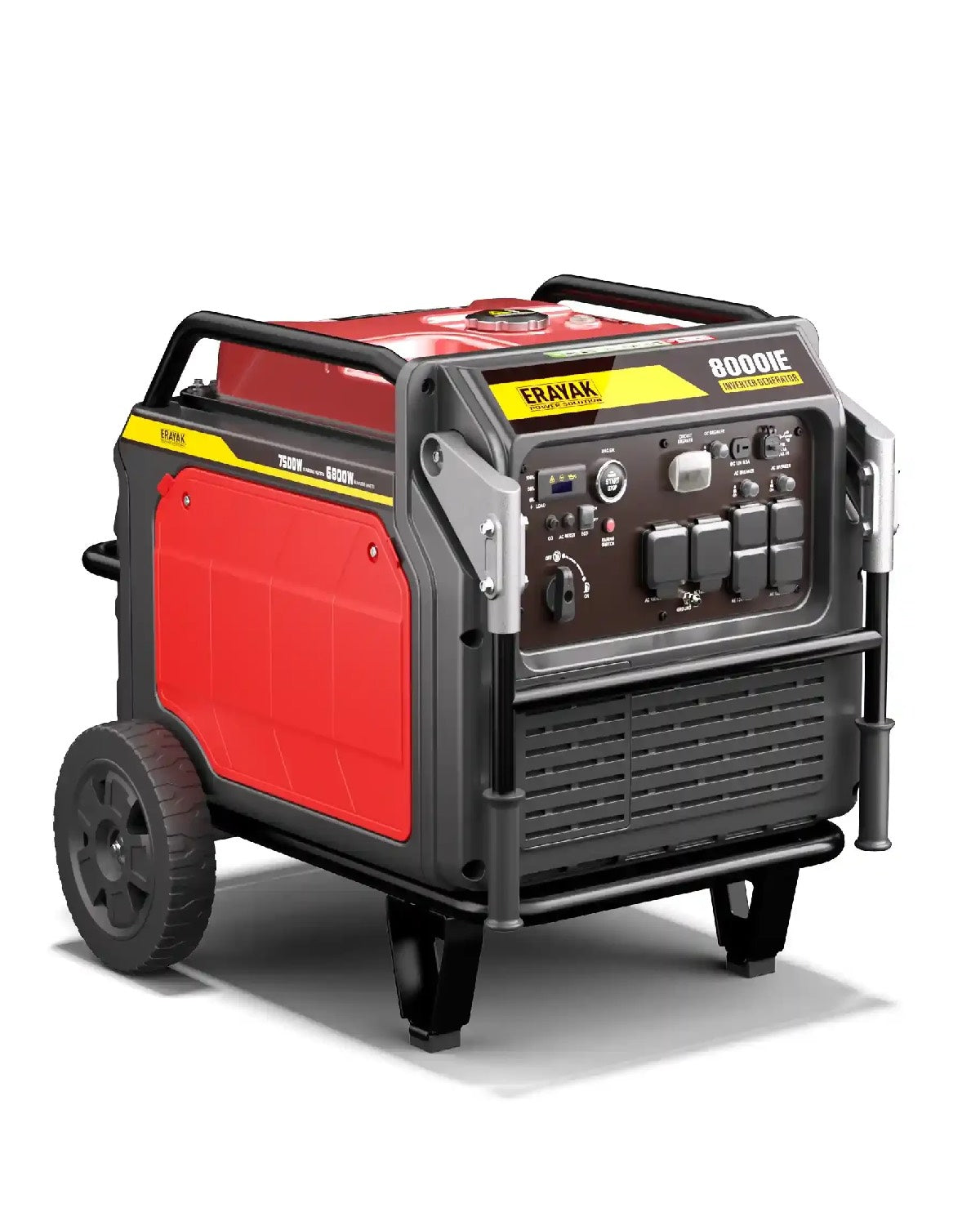
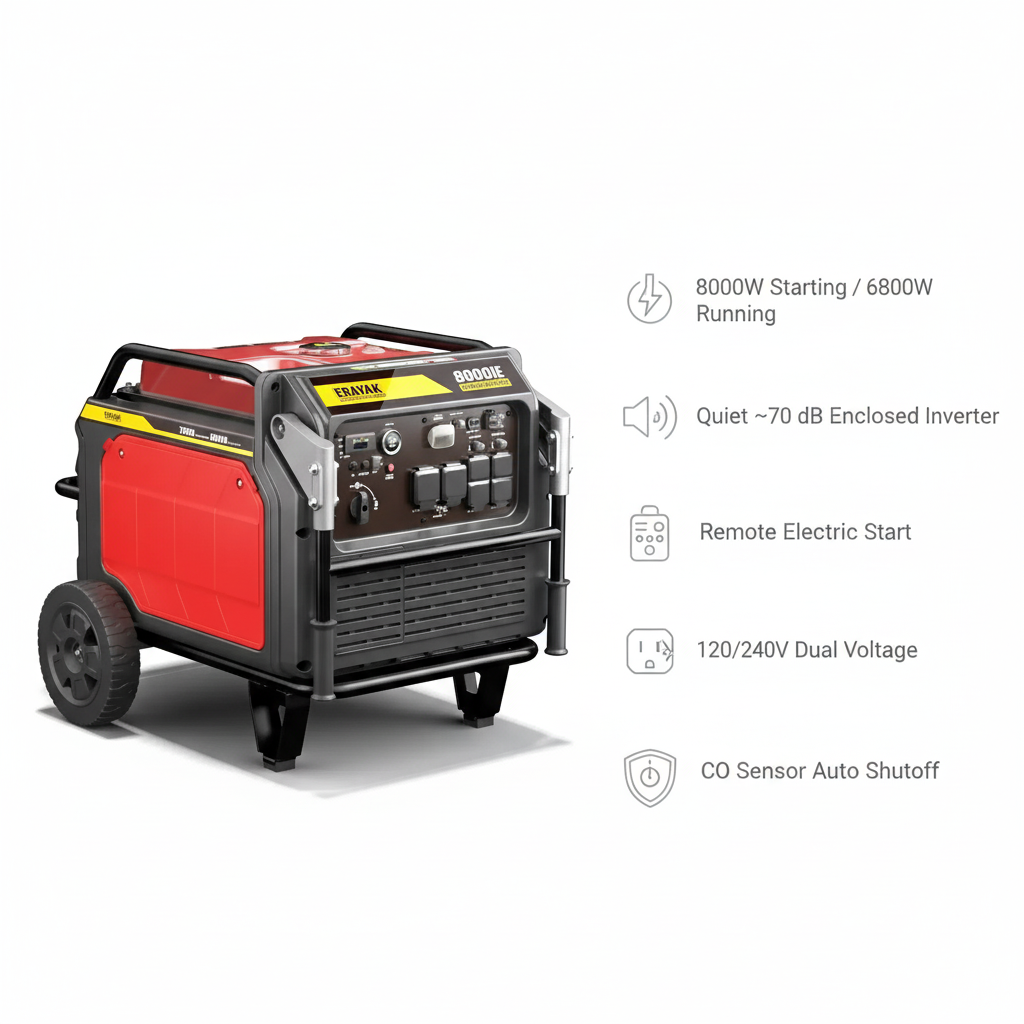
Recommended size for most U.S. homes: 4500W–8000W


Shippings
Yes, we ship backup generators to all U.S. states with tracking and insurance.
Standard delivery takes 3–5 business days. West Coast & Midwest locations may arrive faster.
We primarily ship via UPS, FedEx, and Amazon Logistics to ensure safe delivery.
Home Backup Generator FAQ
Most homes need 3500–4500W to power essentials such as lights, refrigerator, Wi-Fi router, and furnace fan.
Larger homes may require 6000–8000W depending on heating systems and number of circuits.
👉 Detailed guide:
Home Backup Generator Guide
Yes. Inverter generators offer quiet operation, lower fuel consumption, and clean sine-wave power for sensitive electronics.
👉 Learn more:
Why Homeowners Prefer Inverter Generators
👉 And see the full inverter vs traditional comparison:
Inverter Generator vs Traditional Generator
Yes. All Erayak inverter generators produce low THD (total harmonic distortion) power safe for electronics.
👉 Why it matters:
Inverter Generator Electronics Protection Guide
Runtime depends on load and fuel type. Propane typically provides 2–3× longer runtime than gasoline.
👉 Full runtime planning guide:
Home Backup Generator Runtime Guide
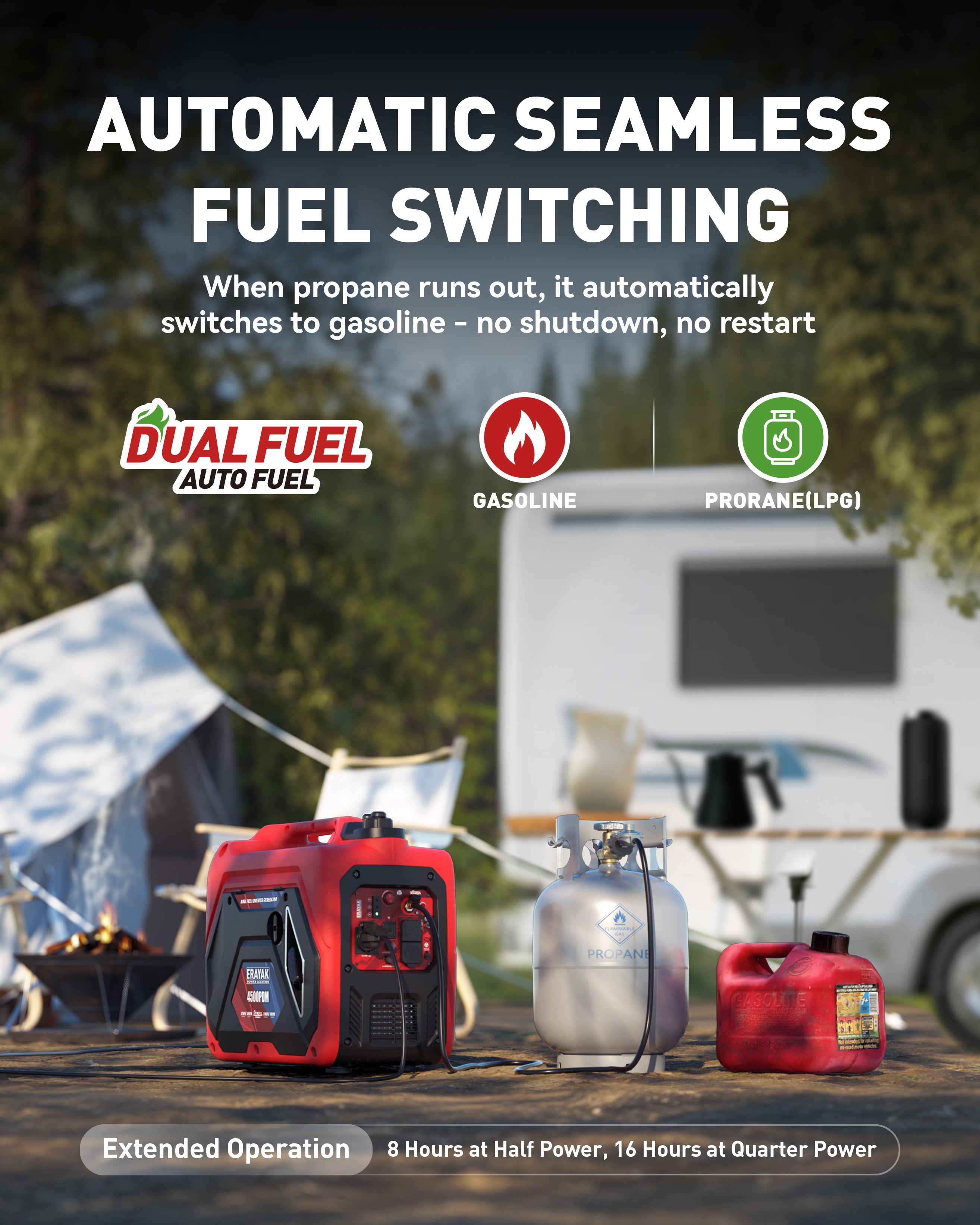
Dual-fuel models let you run on gasoline or propane — giving longer runtime and more flexibility during shortages.
👉 See detailed breakdown:
Why Dual-Fuel Generators Are Smart for Home Backup
Yes — most Erayak 30A 120V/240V models support manual transfer switch connection.
👉 Safe connection guide:
Transfer Switch vs. Extension Cords
Always operate outdoors with proper ventilation — never inside garages or enclosed spaces.
👉 Placement safety guide:
Safe Home Backup Generator Placement
Yes — many Erayak models are RV-ready (30A TT-30 outlet) and can power both home essentials and RV AC units.
👉 RV compatibility guides:
Yes. Erayak inverter generators use noise-reduction technology to run much quieter than traditional open-frame units.
👉 Noise explanation:
Why Inverter Generators Are Quieter
👉 Noise technology deep dive:
Inverter Generator Noise Reduction Technology
Regular oil checks, monthly start-ups, and proper storage help ensure your generator performs during outages.
👉 Full maintenance guide:
Home Backup Generator Maintenance Tips
Fuel usage depends on generator size and load. A 4500W inverter generator typically consumes 0.3–0.5 gallons per hour at 25–50% load.
👉 Related:
Need Help Choosing the Right Backup Generator?
Our U.S.-based experts can help you size the perfect inverter generator for your home.
Stay Powered. Stay Prepared.
Secure reliable backup power for your home today
Shop Home Backup Generators