
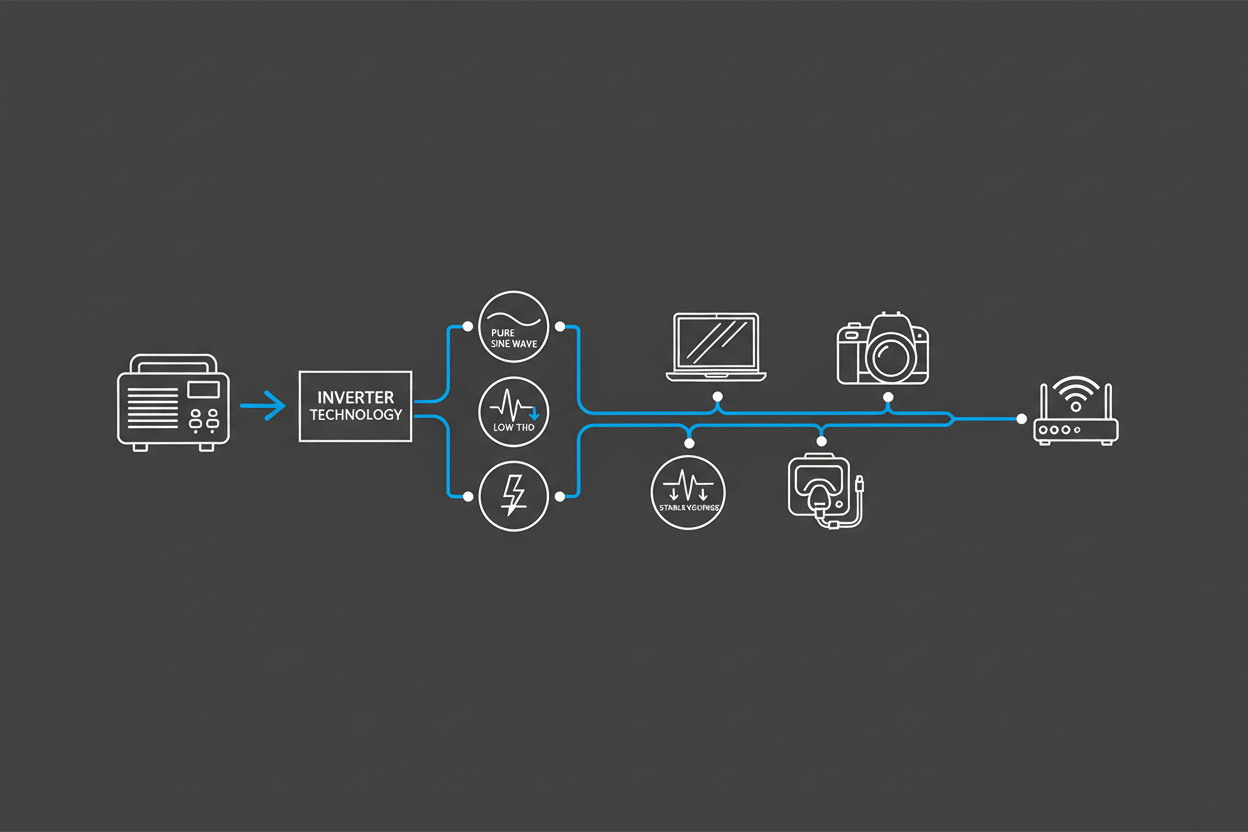
Are Inverter Generators Good for Electronics? (Yes—Here’s the Technical Proof)
Introduction Modern households rely on sensitive electronics—phones, laptops, routers, smart TVs, gaming consoles, drones, cameras, CPAP machines, and more. These devices require clean, stable ele...
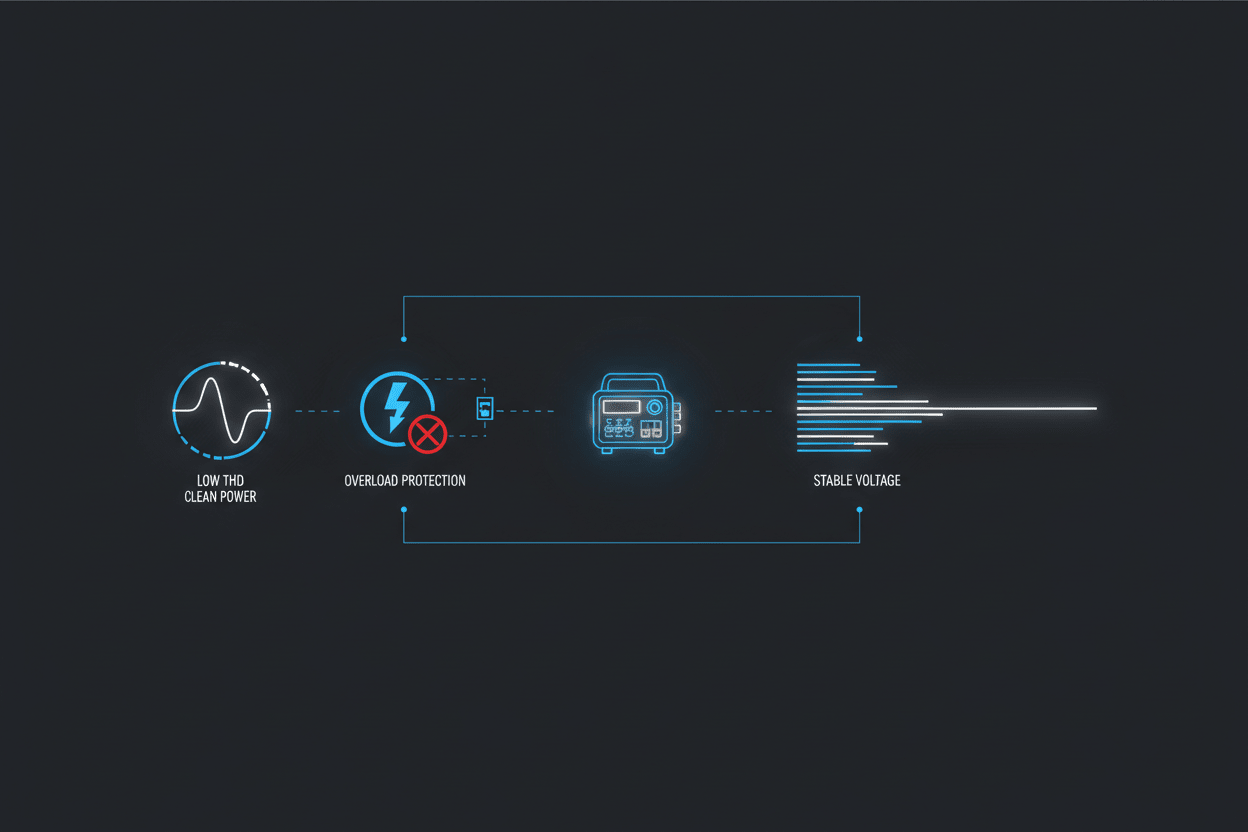
Why Inverter Generators Are Safer Than Traditional Models
Introduction Safety is one of the strongest reasons consumers choose inverter generators over traditional open-frame units. From cleaner electricity to intelligent protection systems and lower emi...
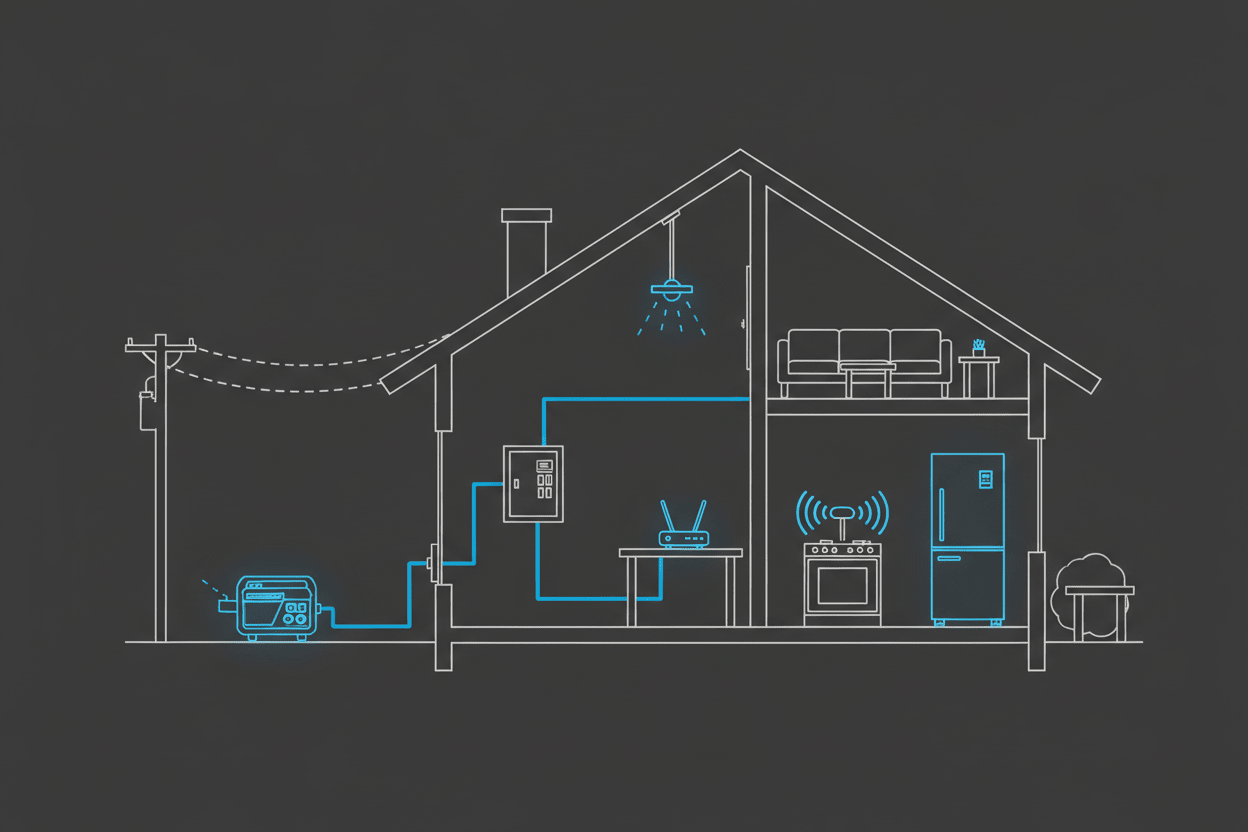
Inverter Generators for Home Backup (Quiet & Safe Emergency Power)
Introduction Power outages are increasingly common across the United States during storms, grid overload, and extreme weather events. For homeowners, having a reliable and quiet backup power sourc...
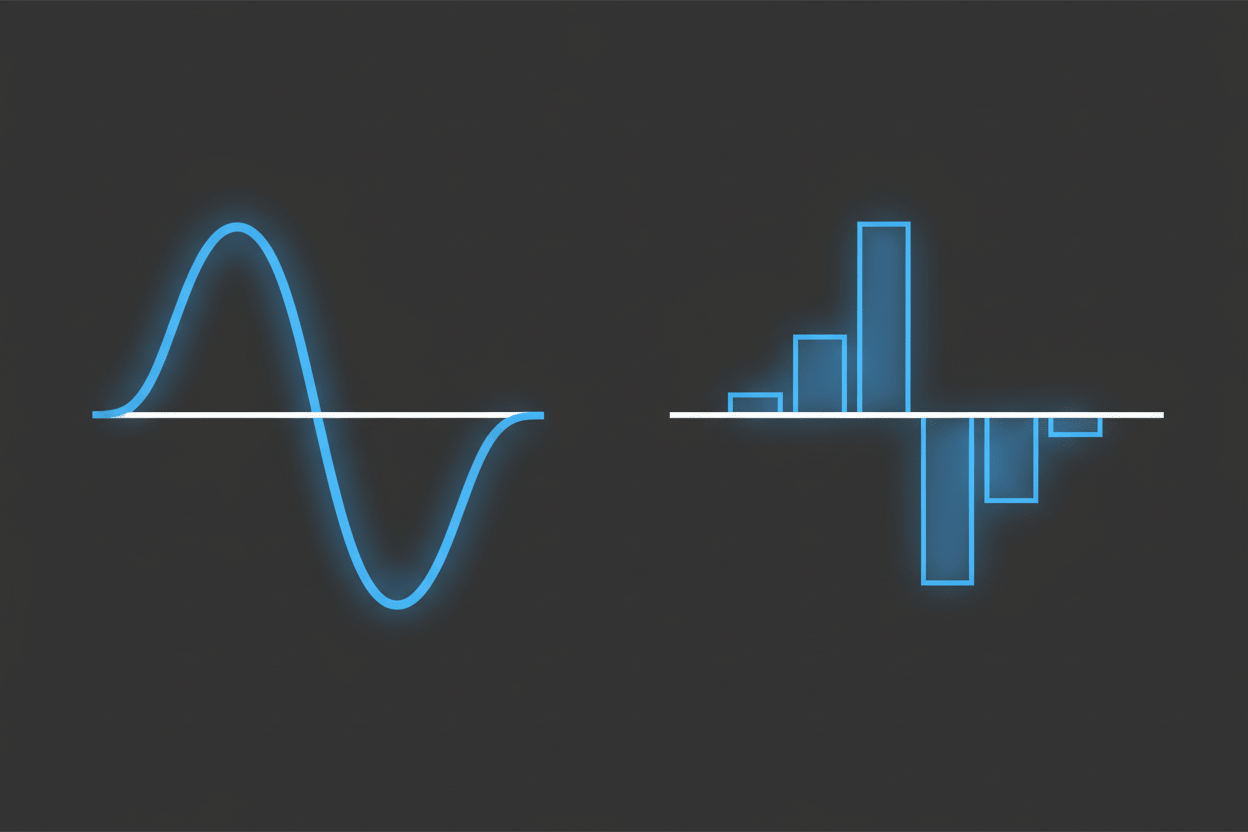
Pure Sine Wave vs Modified Sine Wave (Which Is Better for Generators?)
Pure Sine Wave vs Modified Sine Wave: Why It Matters for Inverter Generators Electrical waveform quality determines how safely generators power sensitive electronics. Understanding waveform differ...
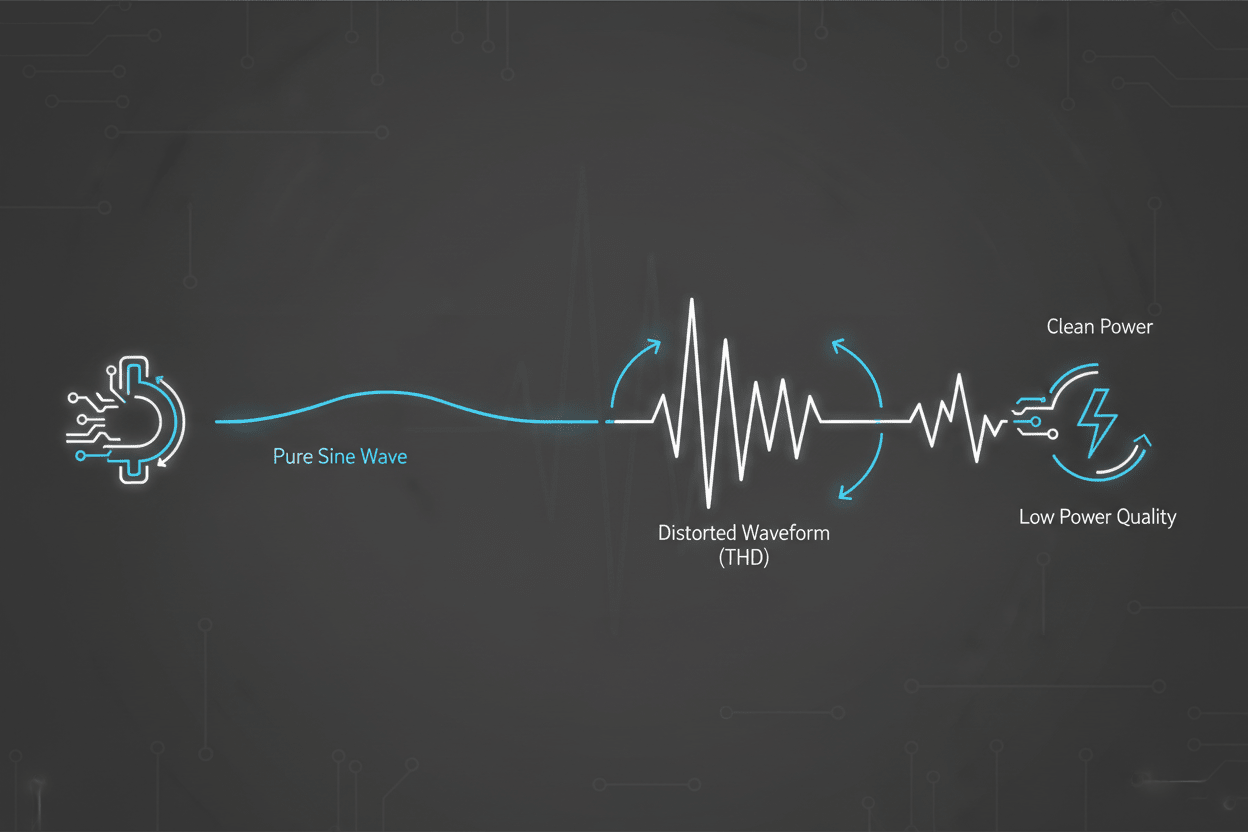
What Is THD in Generators? (Pure Sine Wave Explained)
THD in Generators: Why It Matters for Electronics THD is a key indicator of electrical quality in modern generators and backup systems. It affects device safety, runtime stability, and long-term r...
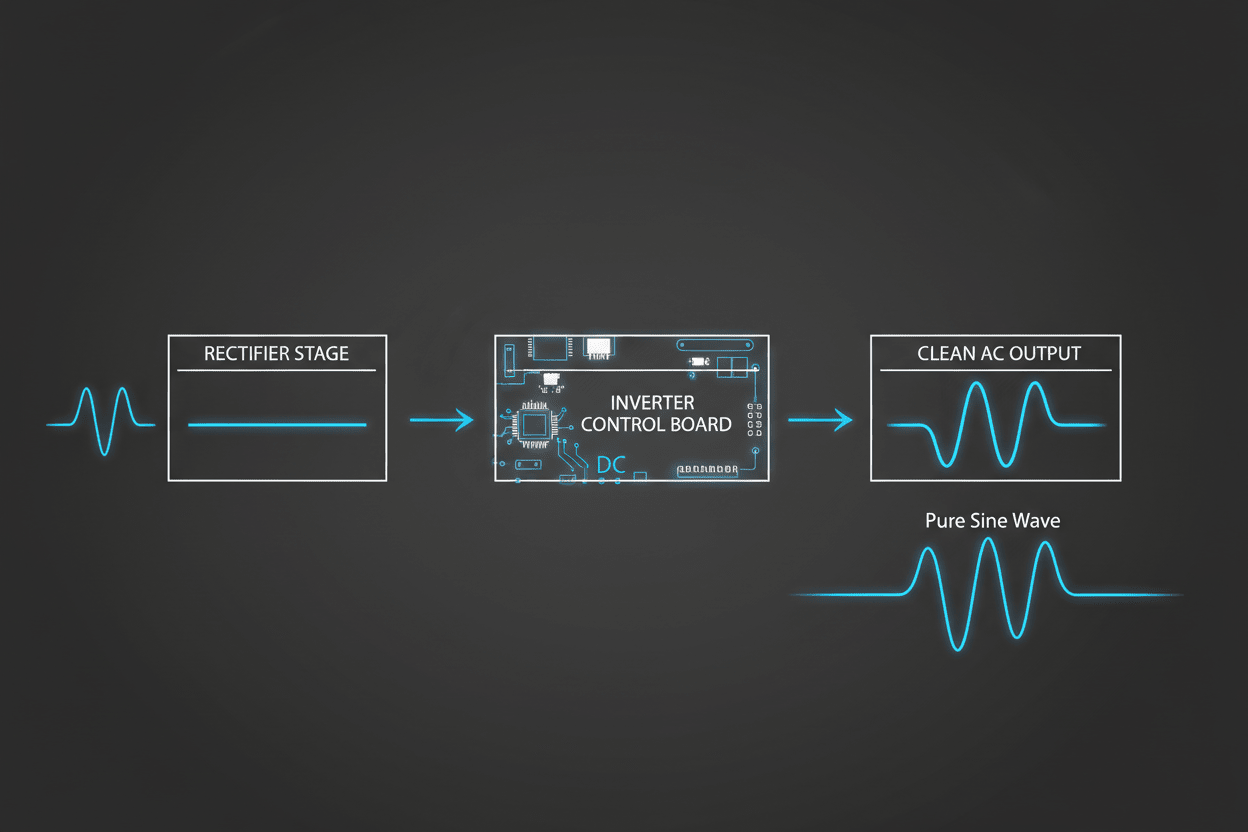
How Inverter Generators Work (Mechanism Explained)
How Inverter Generators Work: Inside the Power Conversion System Introduction Inverter generators deliver clean, stable, and efficient electricity using advanced electronic controls and multi-stag...