

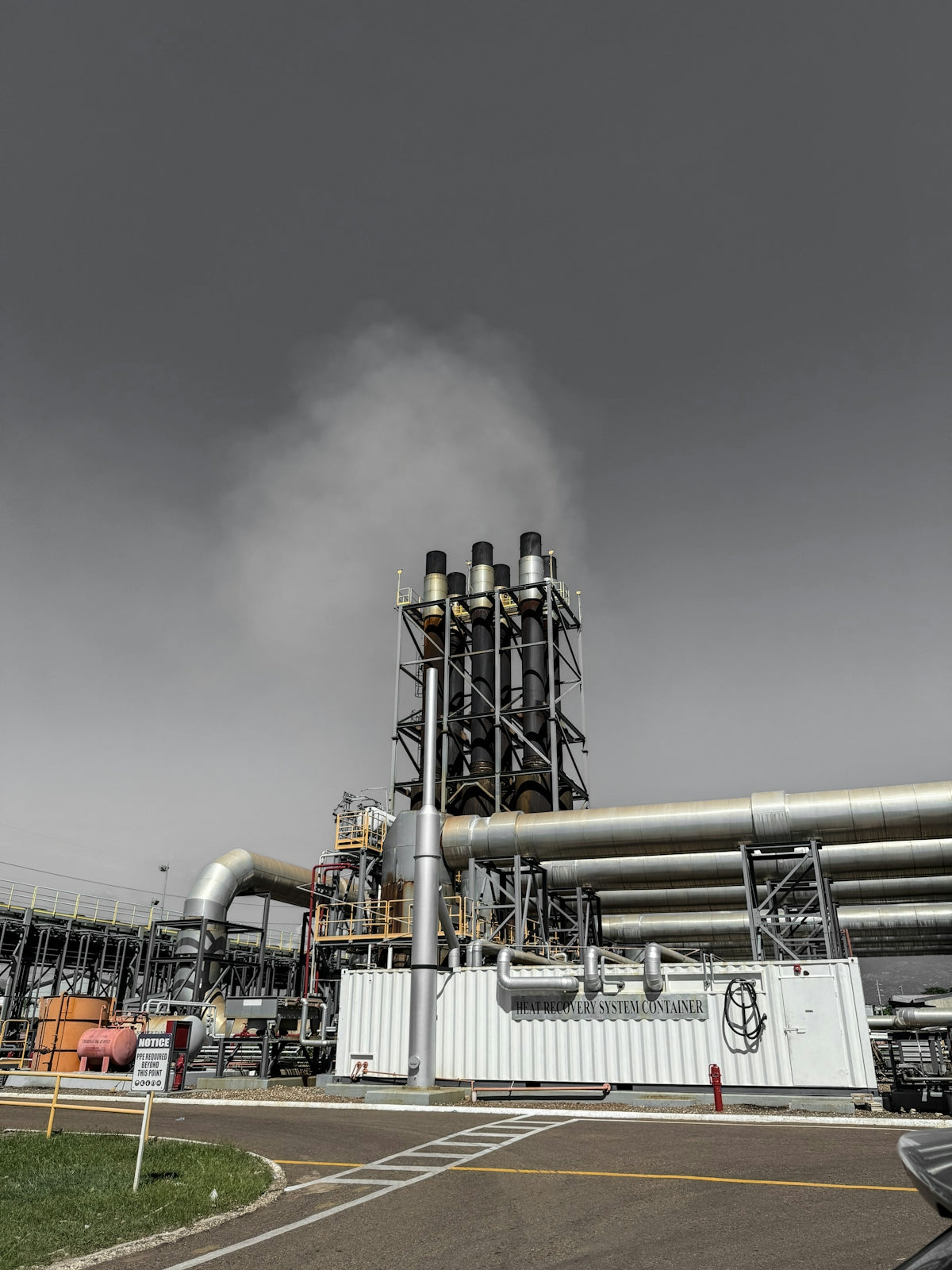
In recent years, natural gas tri fuel generators have emerged as a popular choice for those seeking reliable and versatile backup power solutions. However, several myths continue to circulate about these innovative devices. In this blog post, we aim to debunk these myths and provide clarity on the benefits and realities of using a natural gas generator for home backup.
Myth 1: Natural Gas Generators Are Not Reliable
Fact: Contrary to popular belief, natural gas generators are incredibly reliable when used for home backup power. They provide a steady flow of power during outages and are less likely to be affected by supply chain issues due to natural disasters. Moreover, advancements in technology have made these generators more efficient and durable than ever before. For more detailed insights, read our article Why a Natural Gas Generator for Home Backup is a Smart Choice.
Myth 2: Tri Fuel Generators Are Complicated to Use

Fact: A natural gas tri fuel generator, like the 6800W Tri-Fuel 120V/240V Inverter Generator | 6800PT, offers unmatched simplicity and versatility. These generators are designed to operate on natural gas, propane, and gasoline, allowing users to switch fuel sources effortlessly depending on availability. This feature makes them a highly user-friendly option for those new to generators.
Myth 3: Portable Natural Gas Generators Are Not Environmentally Friendly
Fact: Many people mistakenly believe that portable natural gas generators have a significant negative impact on the environment. However, they are a more eco-friendly option compared to traditional generators that run on diesel or gasoline alone. Using natural gas produces fewer emissions, contributing to a cleaner and more sustainable energy solution. Discover more about this topic in our article The Role of Natural Gas Generators in Sustainable Home Energy Solutions.
Choosing the Right Generator for Your Needs
Choosing between a natural gas generator and a tri fuel generator can be challenging. Each offers unique benefits, and the right choice often depends on your specific needs and circumstances. Our detailed guide Choosing Between a Natural Gas Generator and a Tri Fuel Generator for Your Home can help you make a well-informed decision.
In conclusion, it's essential to sift through myths and obtain facts to make an educated decision about your home backup power solutions. Whether you're leaning towards a dedicated natural gas generator or a versatile tri fuel option, understanding their true capabilities can ensure you make the best choice for your home energy needs. For a range of reliable generator options and additional resources, visit our website at Erayak Power.
FAQs
What is a natural gas tri-fuel generator?
A natural gas tri-fuel generator is a versatile power source that can operate on three types of fuel: natural gas, propane, and gasoline. This flexibility allows users to choose the most readily available or cost-effective fuel source depending on their needs and circumstances.
Are tri-fuel generators more efficient than single-fuel generators?
Tri-fuel generators are often more efficient because they offer the ability to switch between fuels. Each fuel type has its advantages, and the ability to choose can lead to significant savings and better overall performance, especially in varying conditions.
Is it true that tri-fuel generators are complicated to operate?
While tri-fuel generators have more components than single-fuel models, they are designed with user-friendliness in mind. Most come with intuitive controls and clear instructions, making them relatively easy to operate once set up.
Do tri-fuel generators require more maintenance than single-fuel generators?
The maintenance requirements for tri-fuel generators can be similar to those of single-fuel generators. Regular upkeep, such as changing oil and filters, is essential. The key is to follow the manufacturer's guidelines to ensure long-lasting performance.
Can I convert a single-fuel generator to tri-fuel?
In many cases, it is possible to convert a single-fuel generator to tri-fuel, but this typically requires a conversion kit and may involve specific technical knowledge. It's best to consult a professional for safe and effective conversion.
Are tri-fuel generators quieter than traditional generators?
Tri-fuel generators can be quieter than traditional gas-powered generators, especially when running on natural gas. The level of noise will depend on the specific model and its design, but natural gas generally burns more cleanly and quietly.
Myth: Tri-fuel generators are only for industrial or commercial use.
This is a misconception. Tri-fuel generators are suitable for both residential and commercial use. They can be a great option for homeowners looking for reliable backup power for their homes, especially in areas prone to outages.
Is the upfront cost of a tri-fuel generator worth it?
While tri-fuel generators may have a higher initial cost compared to single-fuel models, their versatility and efficiency can lead to long-term savings. Over time, users often find that the flexibility of fuel sources and reduced operational costs validate the upfront investment.
Do tri-fuel generators produce more emissions than standard generators?
Tri-fuel generators can be designed to produce fewer emissions compared to traditional gasoline generators, especially when running on natural gas. Natural gas generally results in lower emissions of nitrogen oxides and particulate matter, making tri-fuel options a more environmentally friendly choice.


