

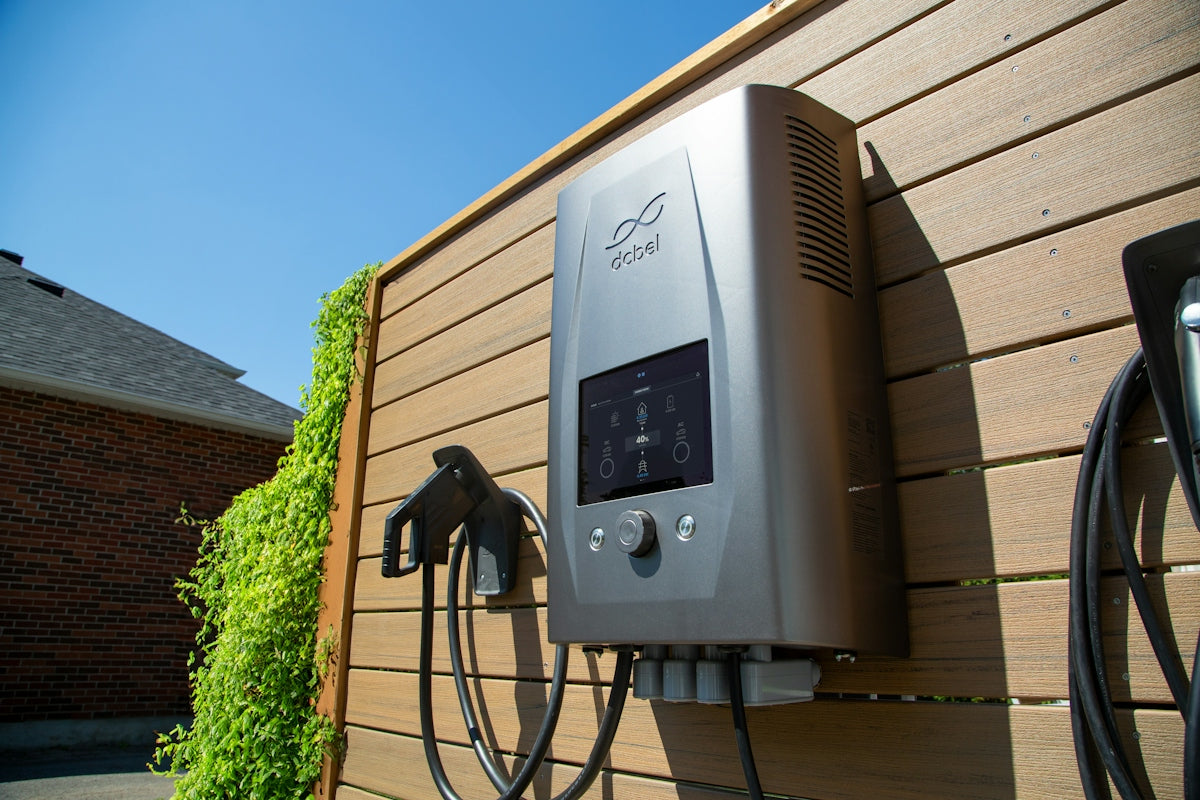
In an era of unpredictable weather and increasing power outages, having a reliable natural gas generator for home backup is invaluable. These generators ensure that you and your family remain comfortable and safe, even during the most extended power interruptions. To maximize the efficiency and lifespan of your generator, it's essential to maintain it properly. Here's a comprehensive checklist to keep your natural gas tri fuel generator in top shape.
1. Regularly Inspect the Generator
Perform visual inspections of your portable natural gas generator to look for any signs of wear and tear, such as frayed wires, rust, or leaks. Catching these issues early can prevent larger, more costly repairs down the line.
Read more about choosing the right generator for your needs.
2. Check and Change the Oil
The oil in your generator should be checked regularly—ideally, before each use—and changed according to the manufacturer's recommended intervals. Fresh oil ensures that the engine runs smoothly and prolongs its lifespan.
3. Test the Battery
If your generator uses a battery start, make sure you test it periodically to ensure it’s fully charged and operational. A dead battery can render your generator useless during an emergency.
4. Clean and Replace Air Filters
Dirty air filters reduce the efficiency of your generator and can lead to engine damage over time. Regularly clean and replace the air filters to enhance performance and fuel efficiency.
5. Run the Generator Monthly
To keep your generator in optimal condition, run it for about 30 minutes once a month. This allows the engine to stay lubricated and prevents fuel from degrading in the system.
6. Examine the Spark Plugs
Spark plugs should be inspected annually and replaced as needed. Faulty spark plugs can cause starting problems and reduce the efficiency of your generator.
7. Update the Fuel as Needed
While natural gas doesn't degrade like other fuels, it's still important to ensure the connections and lines are clean and secure. If you’re using a tri-fuel generator, periodically check the fuel options and ensure everything is functioning properly.
Discover how natural gas tri fuel generators revolutionize home energy backup.
8. Schedule Professional Maintenance

At least once a year, it's best to have a professional inspect your generator to ensure everything is in working order. They can catch issues that may not be visible to the untrained eye and can perform more detailed maintenance, if needed.
For those in need of a reliable, versatile power solution, consider the 6800W Tri-Fuel 120V/240V Inverter Generator, perfect for RV or home backup use with its tri-fuel options.
Conclusion
Maintaining your natural gas generator for home backup is crucial to ensure it operates efficiently when you need it most. By following these steps, you can enjoy peace of mind knowing your generator will keep your home powered and safe. For a deeper understanding of cost savings and other benefits, explore the long-term cost savings of a natural gas generator for home backup.
For more information on reliable power solutions and diverse generator options, visit Erayak Power.
FAQs
How often should I perform maintenance on my natural gas generator?
To ensure optimal performance and longevity, it's recommended to perform maintenance on your natural gas generator at least once a year. Regular checks and servicing can help identify issues early and keep your generator running smoothly.
What are the key components to check during maintenance?
During maintenance, focus on checking the oil level, air filter, battery condition, spark plugs, and fuel lines. Additionally, ensure the generator's cooling system is functioning properly and that there are no signs of rust or corrosion.
How can I tell if my natural gas generator is operating properly?
Listen for any unusual noises, check for smooth operation during a test run, and monitor the output voltage. If you notice fluctuations, excessive smoke, or any warning lights, it may be time for professional inspection.
What should I do if my generator won't start?
If your natural gas generator won't start, first check the fuel supply and ensure that the gas line is connected and not blocked. Also, verify the battery charge and inspect the electrical connections for any loose or damaged wires.
Is it necessary to have a professional service my generator?
While basic maintenance can be done by the homeowner, it's advisable to have a professional service your generator at least once a year. They have the expertise to identify potential issues and perform more complex repairs safely.
How can I protect my generator from weather damage?
To protect your generator from weather damage, invest in a proper cover or enclosure that is designed for outdoor use. Make sure it is well-ventilated and secure to prevent water accumulation and debris build-up.
Can I use my generator during a power outage without any special precautions?
Using a generator during a power outage requires safety precautions. Always operate it outdoors in a well-ventilated area to prevent carbon monoxide buildup, and never connect the generator directly to your home's electrical system unless you have a transfer switch installed.
What kind of fuel should I use for my natural gas generator?
Always use the type of natural gas that is specified in your generator’s manual. Ensure that the gas supply is clean and free from contaminants that could impair generator operation.
How can I extend the lifespan of my natural gas generator?
To extend the lifespan of your generator, adhere to the manufacturer’s maintenance schedule, keep it clean and free of debris, perform regular testing, and address any issues promptly to avoid more significant damage in the future.


