

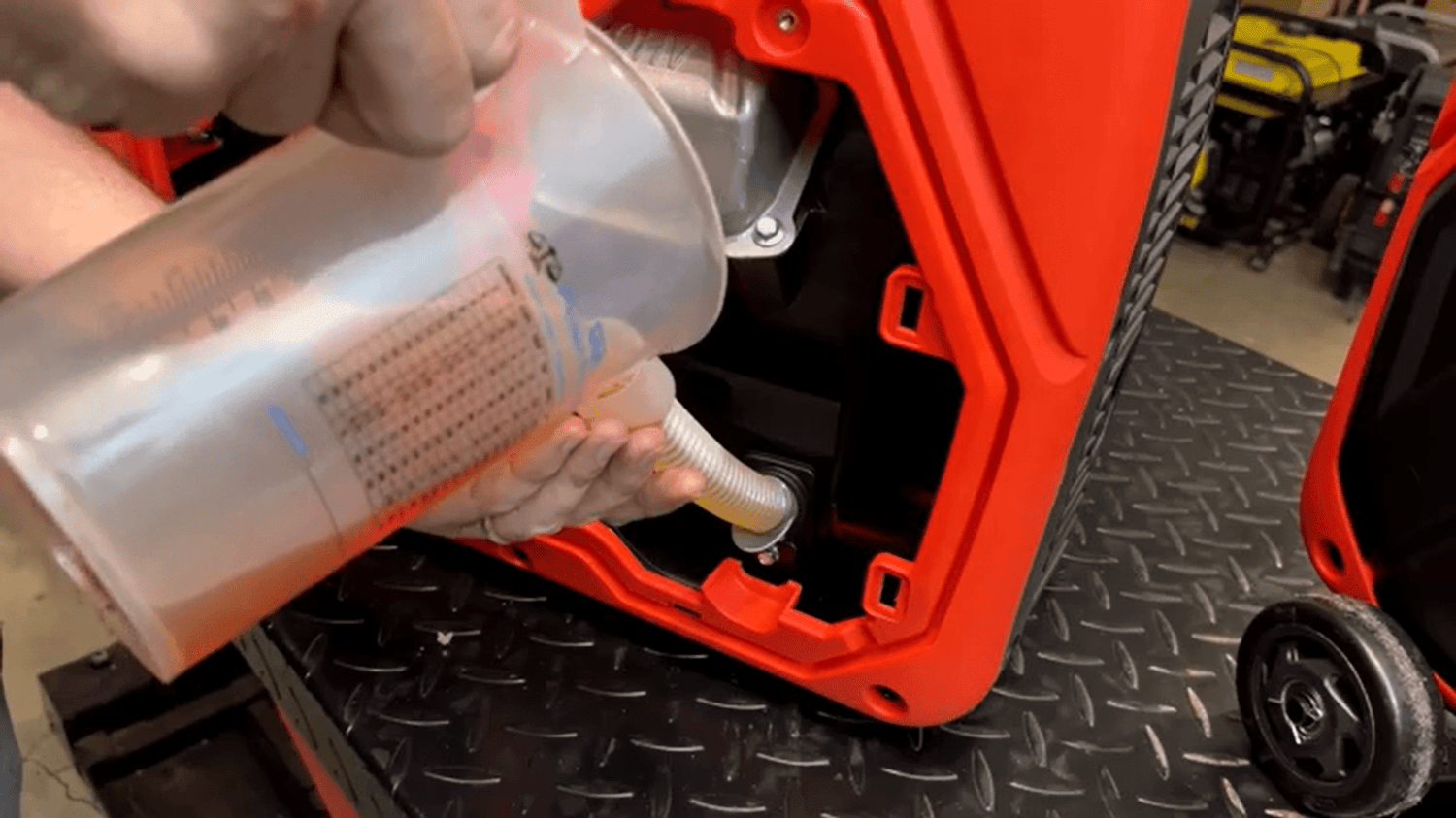
How to Change Generator Oil Without Making a Mess
Learning how to change generator oil cleanly makes maintenance easier, faster, and less frustrating. With the right setup, an oil change pump, a generator oil funnel, a drain pan, gloves, rags, and a simple work routine, you can avoid spills and keep your portable generator ready for the next outage, camping trip, jobsite, or outdoor event.
Quick Answer
To change generator oil without making a mess, let the generator cool, move it to a flat outdoor work area, place an oil drain pan and absorbent pad underneath, remove the oil fill cap, drain or extract the old oil, refill slowly with a generator oil funnel, check the dipstick level, wipe the housing clean, and dispose of used oil properly.
An oil change pump can help reduce spills when the drain plug is hard to access. A generator oil funnel helps prevent overfilling and oil splashing around the fill port. Always follow your owner’s manual for oil type, oil capacity, drain method, and service interval.
Tools You Need for a Clean Generator Oil Change
A clean oil change starts before the oil comes out. Set up your tools first so you are not searching for rags, funnels, or containers while oil is already draining.
| Tool | Purpose | Why It Helps Prevent Mess |
|---|---|---|
| Oil drain pan | Catches old oil from the drain plug | Prevents oil from spreading across the ground or work surface |
| Oil change pump | Extracts oil through the fill tube or dipstick area when appropriate | Useful when the drain plug is awkward, low, or hard to access |
| Generator oil funnel | Guides new oil into the fill port | Reduces overpouring, splashing, and oil on the generator case |
| Absorbent pad or cardboard | Protects the ground under the generator | Catches small drips before they become stains |
| Nitrile gloves | Keeps oil off your hands | Helps you work cleaner and handle tools safely |
| Clean rags or shop towels | Wipes dipstick, fill area, and housing | Prevents oil residue from collecting dust later |
| Correct engine oil | Refills engine after draining | Using the right oil protects the engine and avoids rework |
| Maintenance log | Records date, oil type, and hours | Prevents missed oil changes and guessing later |
How to Prepare the Generator Before Draining Oil
Preparation is the difference between a controlled oil change and a messy one. Before you start, move the generator to a flat, stable, outdoor work area with good lighting.
Let It Cool
Shut the generator off, disconnect all loads, and let the engine cool enough to work safely before touching the oil fill cap, drain plug, or engine housing.
Level the Unit
Place the generator on a flat surface so oil drains predictably and the dipstick reading is accurate after refilling.
Protect the Ground
Put cardboard, an absorbent pad, or a protective mat under the work area before opening the oil system.
Drain Plug vs Oil Change Pump
Most portable generators can be serviced by draining oil through the drain plug or extracting it with an oil change pump when appropriate. The best method depends on the generator design, drain plug access, clearance, and your owner’s manual.
| Method | Best For | Mess-Control Tip |
|---|---|---|
| Drain plug method | Generators with easy drain access and good clearance | Use a low-profile drain pan and loosen the plug slowly |
| Oil change pump | Generators where the drain area is hard to reach or likely to spill | Keep the pump hose stable and place the waste container lower and secure |
| Tilt-and-drain method | Some compact models when allowed by the manual | Use two people if needed, protect the ground, and pour slowly |
| Combination method | When you want cleaner extraction plus final drain check | Pump most oil first, then use the drain plug only if the manual supports it |
Step-by-Step: Change Generator Oil Without a Mess
Use this simple workflow to keep the process controlled. The exact oil type, amount, and drain method should always come from your owner’s manual.
| Step | Action | Mess-Free Detail |
|---|---|---|
| 1 | Turn off the generator and disconnect all loads | Never change oil while the generator is running or connected to devices |
| 2 | Let the engine cool | Warm oil may drain easier, but the engine should be safe to handle |
| 3 | Place absorbent material under the generator | Use cardboard, shop pads, or a protective mat to catch drips |
| 4 | Position the oil drain pan or oil change pump | Check alignment before opening the oil system |
| 5 | Remove the oil fill cap or dipstick | Wipe around the fill port first to keep dirt out |
| 6 | Drain or extract the old oil | Work slowly and keep the pan or pump hose stable |
| 7 | Reinstall the drain plug if removed | Wipe the area clean and check that it is secure |
| 8 | Add new oil with a generator oil funnel | Pour slowly and stop before overfilling |
| 9 | Check the oil level | Use the dipstick or manual-specified method on a level surface |
| 10 | Wipe down and record service | Clean the housing and log date, oil type, and operating hours |
How to Use a Generator Oil Funnel Correctly
A generator oil funnel is one of the easiest ways to prevent spills. The fill port on many portable generators is low, angled, or close to the housing, so pouring directly from the bottle can make a mess.
| Funnel Tip | Why It Matters | Best Practice |
|---|---|---|
| Use a narrow or flexible funnel | Many generator oil fill ports are small or angled | Choose a funnel that fits securely without tipping |
| Pour slowly | Fast pouring causes splashing and overfilling | Add oil in small amounts, then check the level |
| Keep a rag under the fill port | Small drips are common when removing the funnel | Hold a clean rag under the funnel tip as you remove it |
| Do not guess capacity | Overfilling can cause smoke, leaks, or poor running | Use the oil capacity listed in the owner’s manual |
| Wipe the funnel after use | Oil residue attracts dirt and dust | Store the funnel in a clean bag or container |
Common Oil Change Mistakes to Avoid
Most generator oil change messes come from rushing, skipping preparation, or overfilling. Avoid these common mistakes.
| Mistake | What Can Happen | Better Approach |
|---|---|---|
| No drain pan alignment | Oil misses the pan and spreads under the generator | Test the pan position before loosening the plug |
| Pouring oil too fast | Oil splashes around the fill port | Use a generator oil funnel and pour slowly |
| Overfilling the crankcase | Smoke, leaks, rough running, or oil residue | Add oil gradually and check the dipstick often |
| Forgetting the drain plug | New oil leaks out immediately | Reinstall and wipe the drain area before refilling |
| Changing oil indoors | Ventilation, spill, and safety issues | Work in a flat outdoor area with good light and cleanup materials |
| Leaving oil residue on the case | Dust sticks to oil and makes future leaks harder to identify | Wipe the engine housing clean after refilling |
Cleanup, Disposal, and Maintenance Log
A clean oil change is not finished until the old oil is contained, the generator is wiped down, and the maintenance record is updated.
Seal Used Oil
Transfer used oil into a proper container with a secure cap. Do not leave open drain pans where they can spill.
Wipe the Generator
Clean around the fill port, drain plug, frame, and bottom panel so leaks are easier to spot later.
Log the Oil Change
Write down the date, operating hours, oil type, oil amount, and any issues found during the service.
Erayak Generator Oil Change Notes
Erayak 2400P: Compact Oil Change Setup
The Erayak 2400P is a compact inverter generator often used for camping, lights, phones, WiFi, charging, and small emergency loads. For a cleaner oil change, prepare a small drain pan, generator oil funnel, clean rags, gloves, and a maintenance log before opening the oil fill area.
- Good fit for compact outdoor and emergency power setups
- Oil change focus: clean fill area, controlled draining, slow refill, and proper log record
- Always follow the official owner’s manual for oil type, capacity, and service interval
Erayak 4500P: Clean Maintenance for Home Backup and Outdoor Use
The Erayak 4500P is a gas-only portable inverter generator used for home backup, camping, outdoor events, and worksite support. When changing oil, keep the generator level, protect the ground, drain or extract carefully, and refill slowly with a generator oil funnel.
- Gas-only portable inverter generator
- Manual recoil start
- 55 lb lightweight design
- 2.25 gal fuel tank
- Up to 8 hours runtime
- THD < 1.2% for sensitive electronics
- 60.5 dB noise level
Erayak 4500PD: Oil Change Plus Dual-Fuel Inspection
The Erayak 4500PD adds gasoline and propane flexibility. During oil change maintenance, also inspect propane hoses, regulator condition, and fuel connections before the next outage, camping trip, or extended outdoor use.
- Gasoline and propane flexibility
- Useful for longer backup power planning
- Maintenance focus includes oil, gasoline system, and propane connection checks
Erayak 6800PD / 6800PT: Oil Change Planning for Larger Backup Loads
The Erayak 6800 series is built for larger emergency, outdoor, and selected 120V/240V planning. A clean oil change routine helps keep the generator ready before storm season, jobsite use, or extended backup power needs.
- 6800W peak power
- 5000W rated power on gasoline at 100% output
- 30A L5-30R outlet
- 30A 120V/240V L14-30R outlet
- Dual 120V household outlets
- TT-30R RV adapter accessory included
Oil Change Safety Checklist
Changing generator oil is simple maintenance, but it still requires safe handling. Work slowly, let the engine cool, avoid ignition sources, and never run a generator indoors during any test run after service.
- Read the owner’s manual before changing oil.
- Turn the generator off and disconnect all loads.
- Let the engine cool before opening the oil fill cap or drain plug.
- Wear gloves and keep rags nearby.
- Use a drain pan, absorbent pad, or cardboard to protect the ground.
- Use the correct oil type and capacity listed in the manual.
- Do not overfill the crankcase.
- Wipe away oil residue after refilling.
- Keep used oil in a sealed container for proper recycling or disposal.
- Keep oil and fuel away from open flame, sparks, smoking areas, heaters, and hot engine parts.
- Inspect extension cords before any test run.
- Run post-maintenance test starts outdoors only, away from doors, windows, vents, garages, and enclosed spaces.
Keep Your Generator Ready With Cleaner Maintenance
A clean oil change routine helps protect your generator and makes maintenance easier to repeat. Use a drain pan, oil change pump when appropriate, generator oil funnel, gloves, rags, and a maintenance log before the next outage, camping trip, outdoor event, or jobsite project.
FAQ: Change Generator Oil Without a Mess
How do I change generator oil without making a mess?
Use a flat outdoor work area, place cardboard or an absorbent pad under the generator, align a drain pan before opening the drain plug, or use an oil change pump when appropriate. Refill slowly with a generator oil funnel and wipe the housing clean afterward.
Can I use an oil change pump on a generator?
Yes, an oil change pump can be useful when the drain plug is hard to access or likely to spill. Always confirm that your generator’s owner’s manual allows the method and make sure the pump hose is stable during extraction.
Do I need a generator oil funnel?
A generator oil funnel is strongly recommended because many fill ports are small, low, or angled. A narrow or flexible funnel helps prevent oil from splashing onto the generator housing.
Should generator oil be changed warm or cold?
Oil may drain more easily when slightly warm, but the generator must be turned off, disconnected from loads, and cool enough to handle safely. Follow the exact procedure in your owner’s manual.
What happens if I overfill generator oil?
Overfilling can cause smoke, leaks, rough running, oil residue, or other performance problems. Add oil slowly, check the dipstick often, and use the manual’s oil capacity as your guide.
Where should I dispose of used generator oil?
Put used oil in a sealed container and follow local recycling or disposal rules. Do not pour used oil into drains, soil, stormwater systems, or trash containers.
What should I check after changing generator oil?
Check the oil level, reinstall the fill cap and drain plug, wipe the housing clean, inspect for leaks, record the service date and operating hours, and perform a safe outdoor test run according to the manual.
